 00:52
00:52
Flex PCB Design
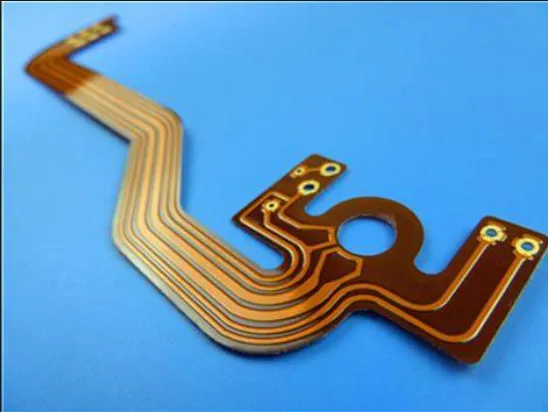
Flex PCB design represents a specialized branch of printed circuit board engineering that focuses on creating flexible, lightweight circuits capable of bending and conforming to irregular shapes. This tag encompasses a wide range of topics related to the design, fabrication, and application of flexible printed circuit boards, which are essential in modern electronics where space constraints and durability are critical. For engineers, hobbyists, and product developers searching for Flex PCB Design resources, this collection offers in-depth guidance on optimizing layouts for flexibility, selecting appropriate materials like polyimide substrates, and addressing common challenges such as signal integrity and thermal management in dynamic environments. Understanding Flex PCB design is particularly valuable for applications in wearable technology, medical devices, automotive systems, and aerospace equipment, where rigid boards fall short. Key insights include best practices for minimizing stress points through proper bend radius calculations, incorporating stiffeners for added rigidity in select areas, and ensuring reliable interconnections with rigid-flex hybrids. By following these principles, designers can enhance product reliability, reduce weight, and improve overall performance, ultimately accelerating time-to-market for innovative prototypes. Professionals in the field often encounter questions about layer stacking, adhesive choices, and compliance with industry standards like IPC-6013. The articles gathered under this tag provide practical examples, case studies, and step-by-step tutorials to tackle these issues effectively. Whether you are troubleshooting a design flaw or exploring advanced techniques like embedded components in flex circuits, browsing the related content here can equip you with the knowledge to refine your projects and achieve superior results in flexible electronics development.
Video Guide
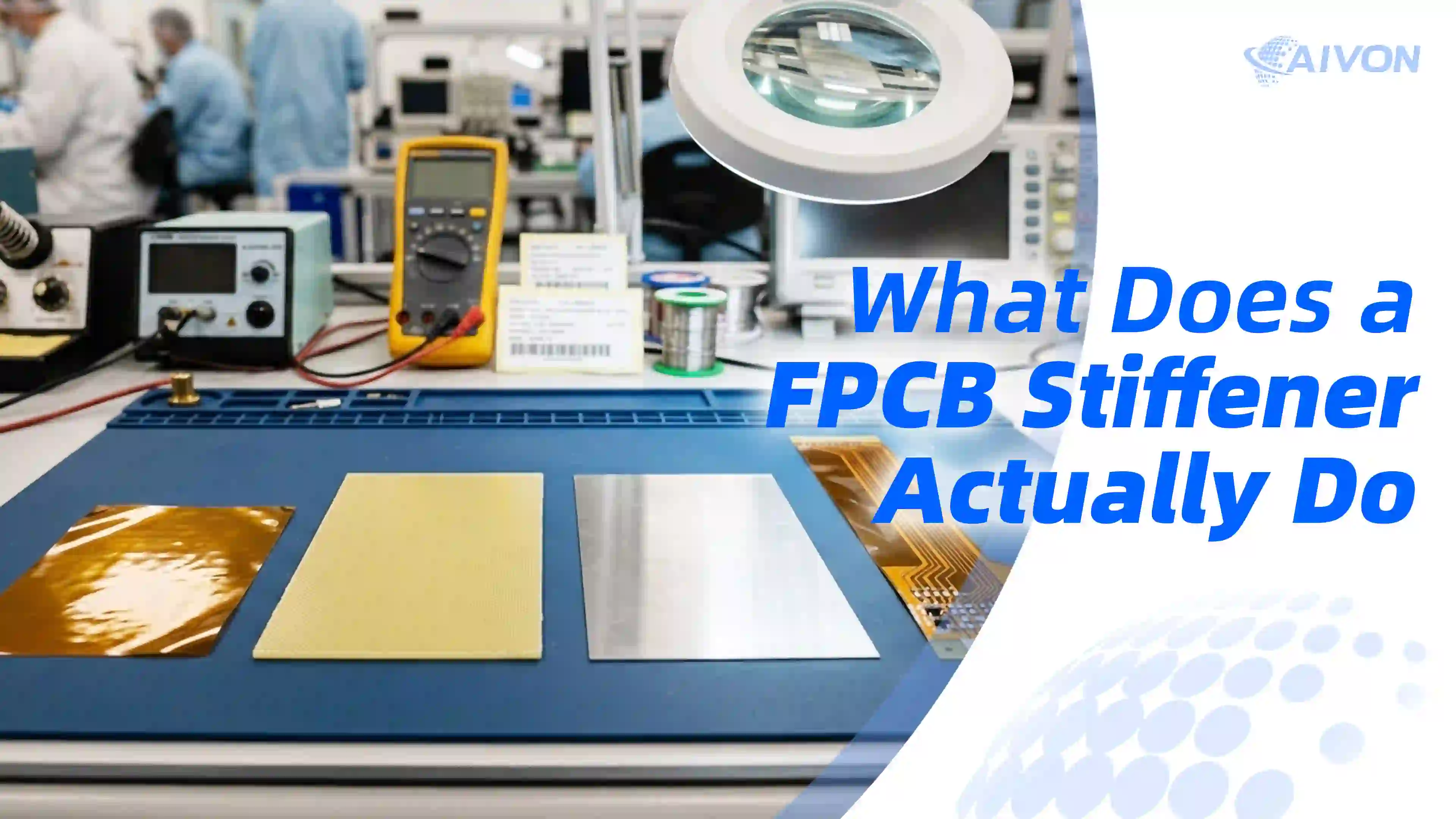

Technical Articles
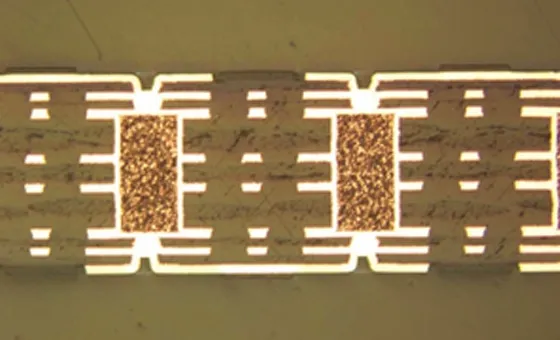
HDI Microvia for Flex PCB

Flexible PCBs for Smart Eyewear: Design, Materials, and Assembly

Flexible PCB for Medical Wearable Devices: Design & Applications
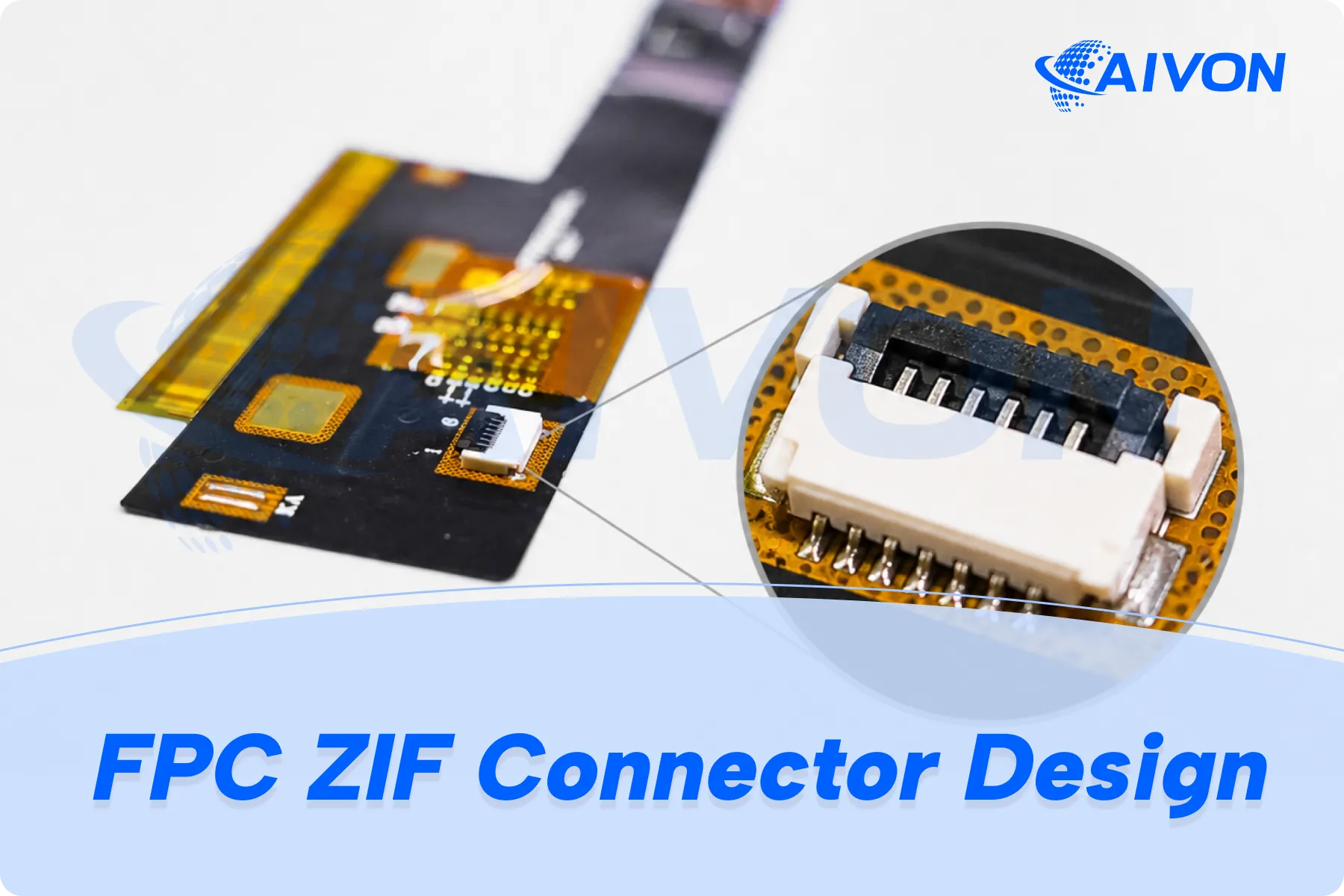
FPC Connector and ZIF Interface Design Best Practices

Flex PCB Bend Radius: FPC Bending Rules and Design Guide

Static vs Dynamic FPC: Design Rules, Bend Radius, and Material Selection

FPC Copper Thinning: FPC Thickness Selection, Techniques and Design Guidelines
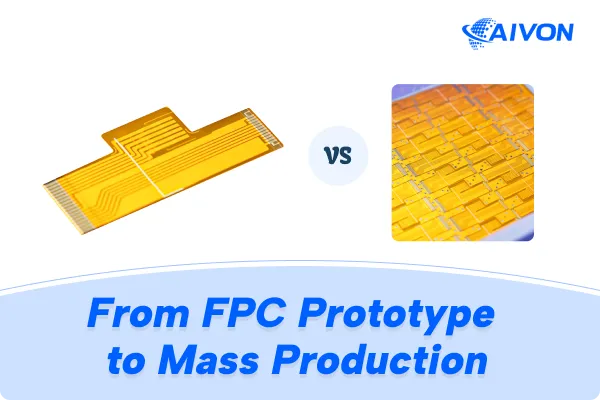
From FPC Prototype to Mass Production: Manufacturing Considerations

What Happens If FPC Coverlay Opening Is Too Large?
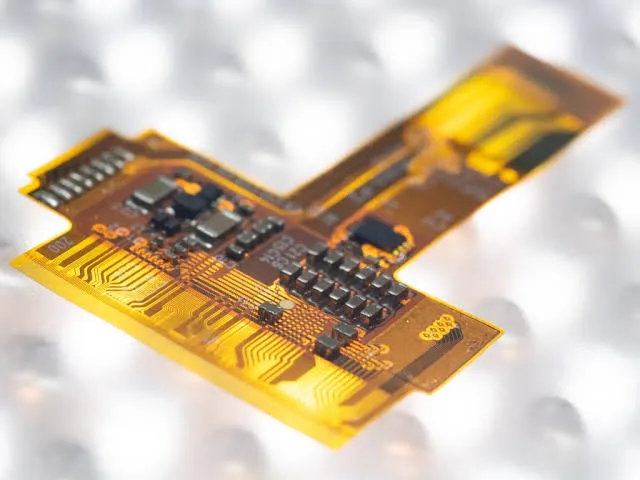
Why Do FPC Boards Fail During Electrical Testing?

What Causes FPC Open Circuits After Manufacturing?

Why Are 2oz and 3oz Copper Difficult for Fine Pitch FPC Designs?
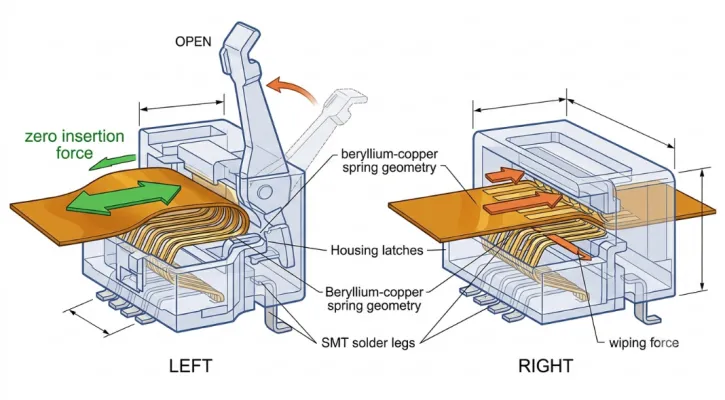
How Should FPC Be Designed for Connector Insertion Reliability?
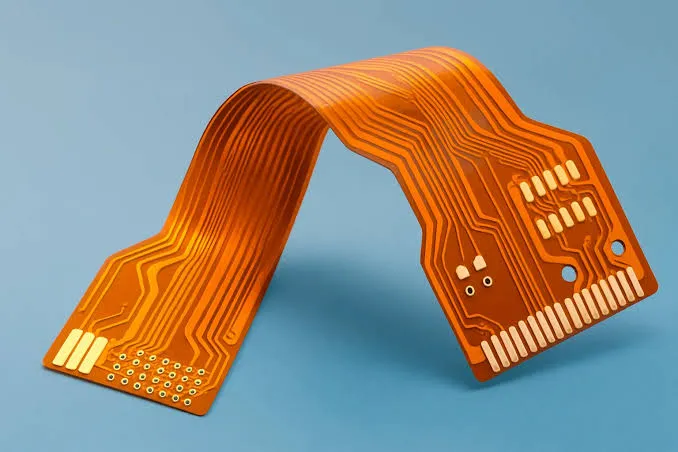
Why Do FPC Boards Have Short Circuits Between Traces?
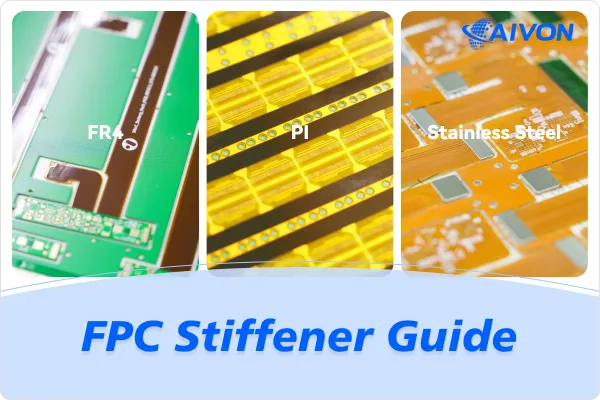
FPC Stiffener Guide: FR4, PI, Stainless Steel Comparison
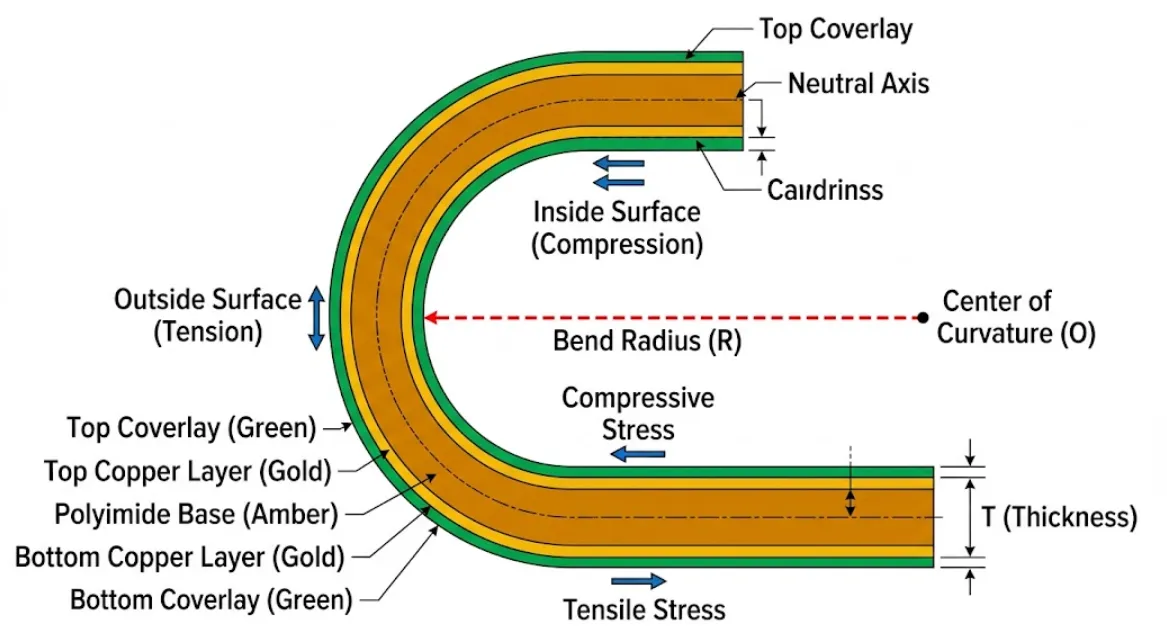
How to Design FPC Board Outline for Laser Cutting and Routing?
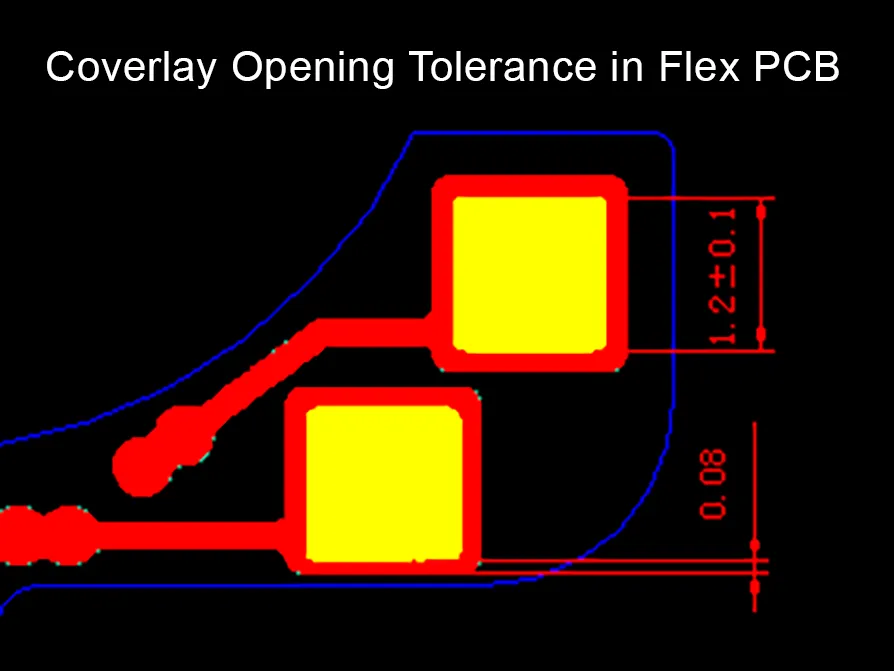
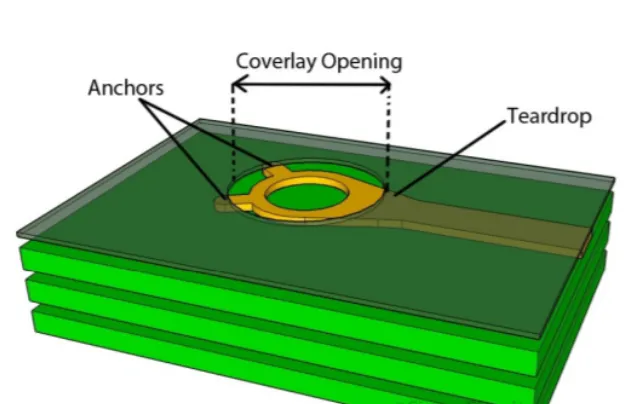
Why Are FPC Coverlay Openings Not Always Designed at 1:1 Size?
How to Design FPC Adhesive Tape Areas for Reliable Assembly?
How Small Can FPC Line Width and Spacing Be in Production?