 00:52
00:52
Flex PCB Design
Flex PCB design represents a specialized branch of printed circuit board engineering that focuses on creating flexible, lightweight circuits capable of bending and conforming to irregular shapes. This tag encompasses a wide range of topics related to the design, fabrication, and application of flexible printed circuit boards, which are essential in modern electronics where space constraints and durability are critical. For engineers, hobbyists, and product developers searching for Flex PCB Design resources, this collection offers in-depth guidance on optimizing layouts for flexibility, selecting appropriate materials like polyimide substrates, and addressing common challenges such as signal integrity and thermal management in dynamic environments. Understanding Flex PCB design is particularly valuable for applications in wearable technology, medical devices, automotive systems, and aerospace equipment, where rigid boards fall short. Key insights include best practices for minimizing stress points through proper bend radius calculations, incorporating stiffeners for added rigidity in select areas, and ensuring reliable interconnections with rigid-flex hybrids. By following these principles, designers can enhance product reliability, reduce weight, and improve overall performance, ultimately accelerating time-to-market for innovative prototypes. Professionals in the field often encounter questions about layer stacking, adhesive choices, and compliance with industry standards like IPC-6013. The articles gathered under this tag provide practical examples, case studies, and step-by-step tutorials to tackle these issues effectively. Whether you are troubleshooting a design flaw or exploring advanced techniques like embedded components in flex circuits, browsing the related content here can equip you with the knowledge to refine your projects and achieve superior results in flexible electronics development.
Video Guide

Technical Articles
How to Decide Between Large Panel and Smaller Panel for FPC Orders
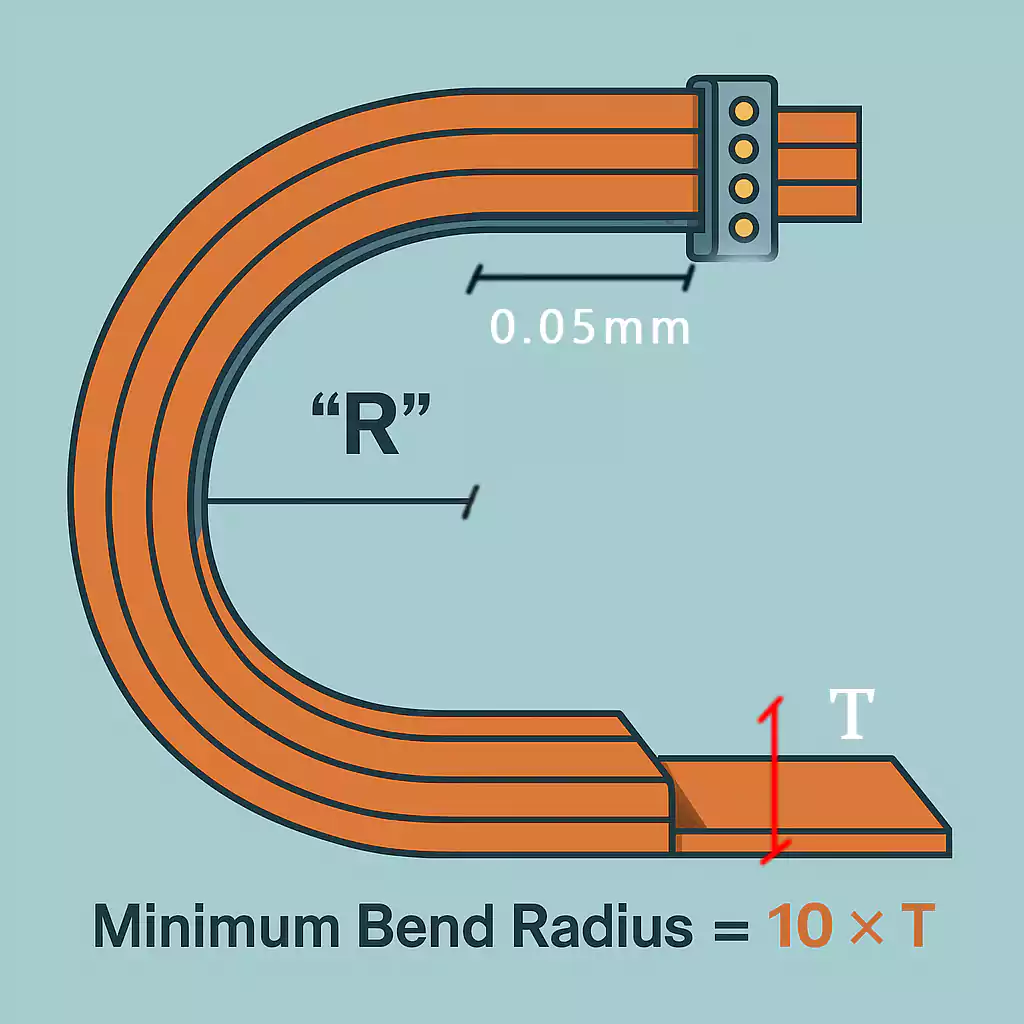
Can Flexible PCB Be Folded 180 Degrees?
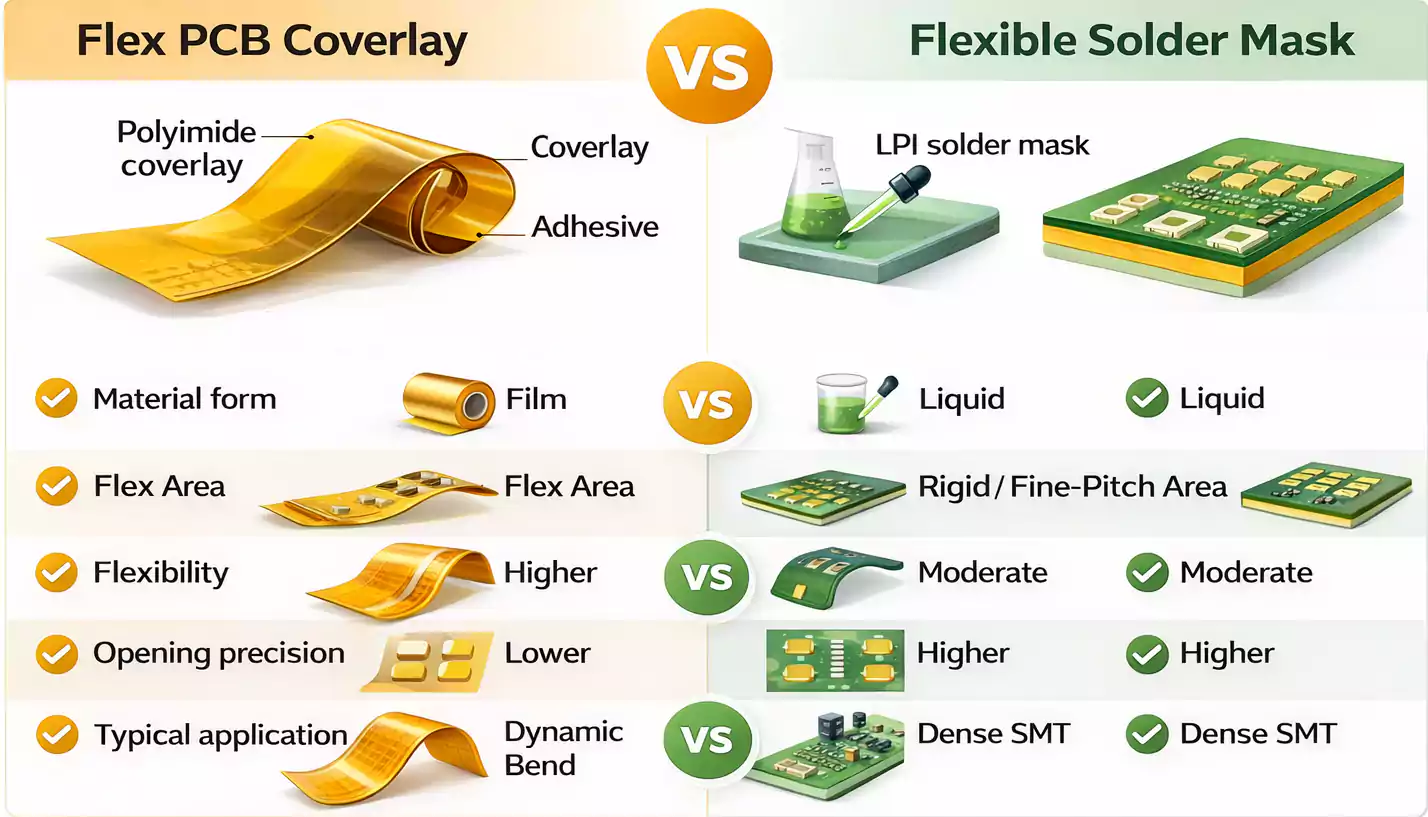
Coverlay Opening vs Solder Mask Opening: What's the Difference?
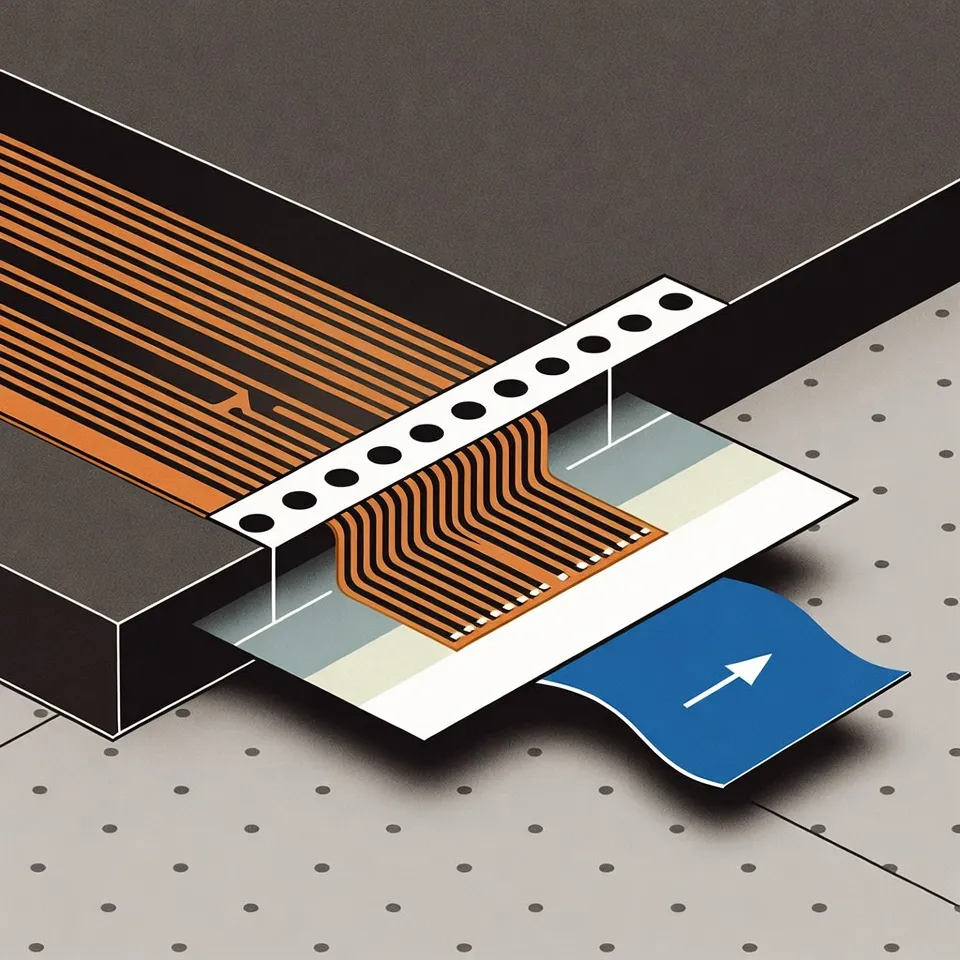
Best Way to Design Glue Paper Pull-out on FPC Panels
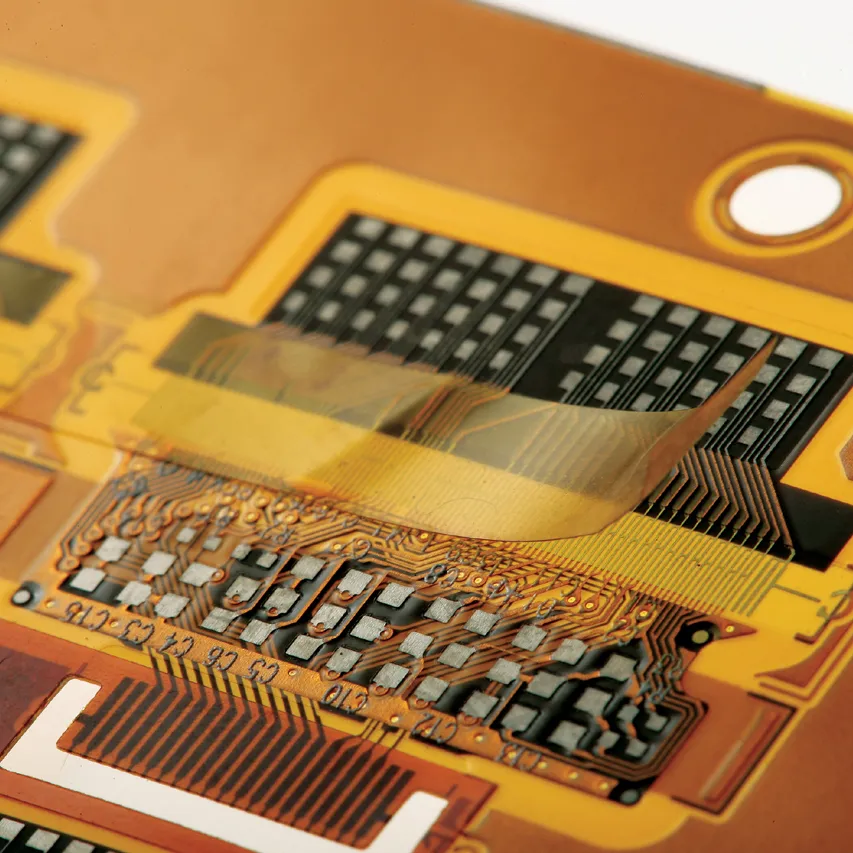
Why Adhesive Tape Flush with FPC Outline Often Overflows
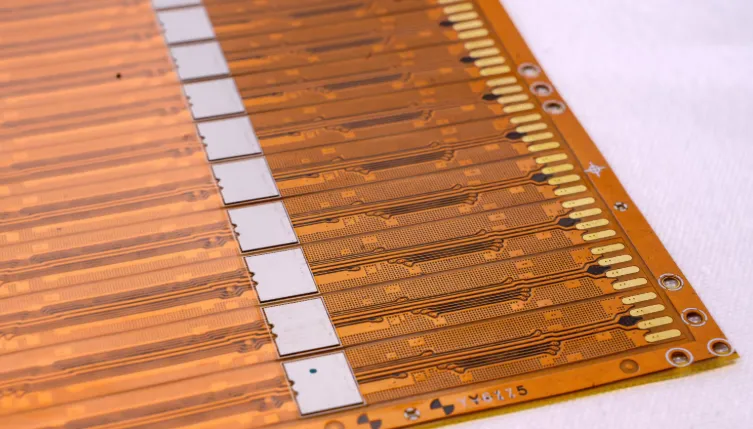
FR4 Stiffener Inner Shrink Rule for FPC Boards
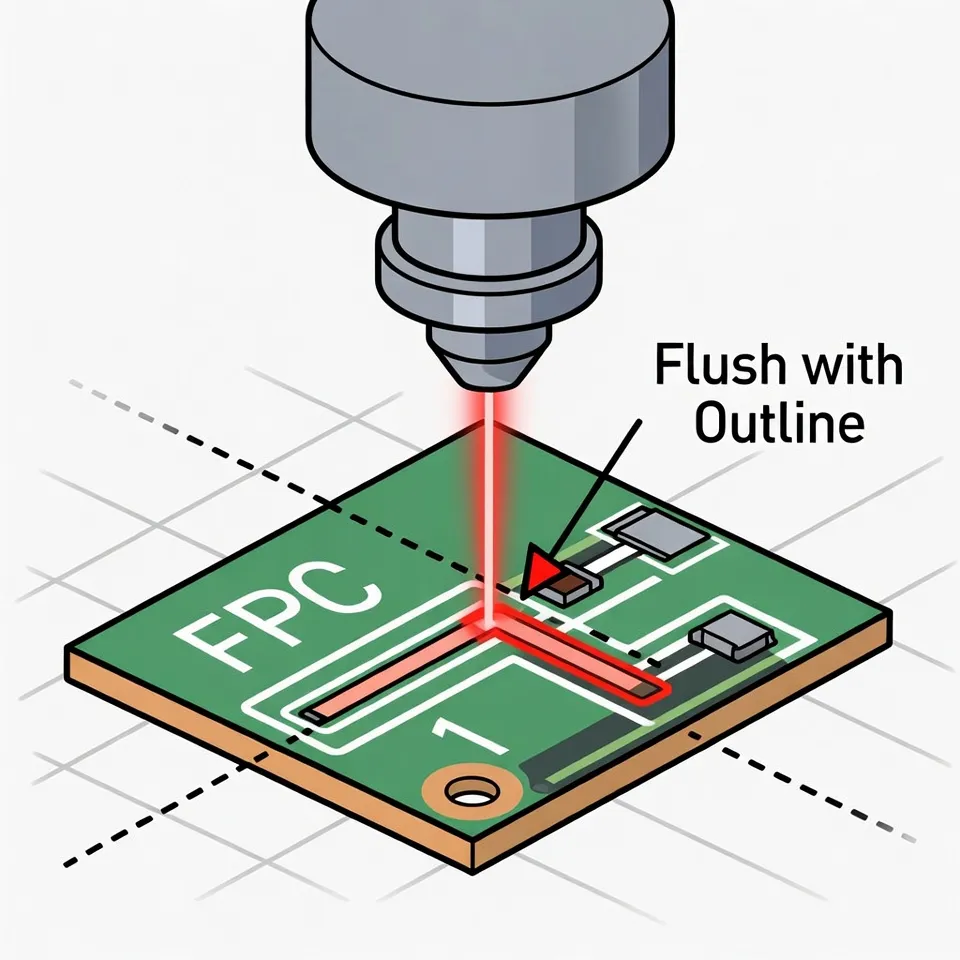
Why FPC Traces Flush with Outline Cause Laser Cutting Problems
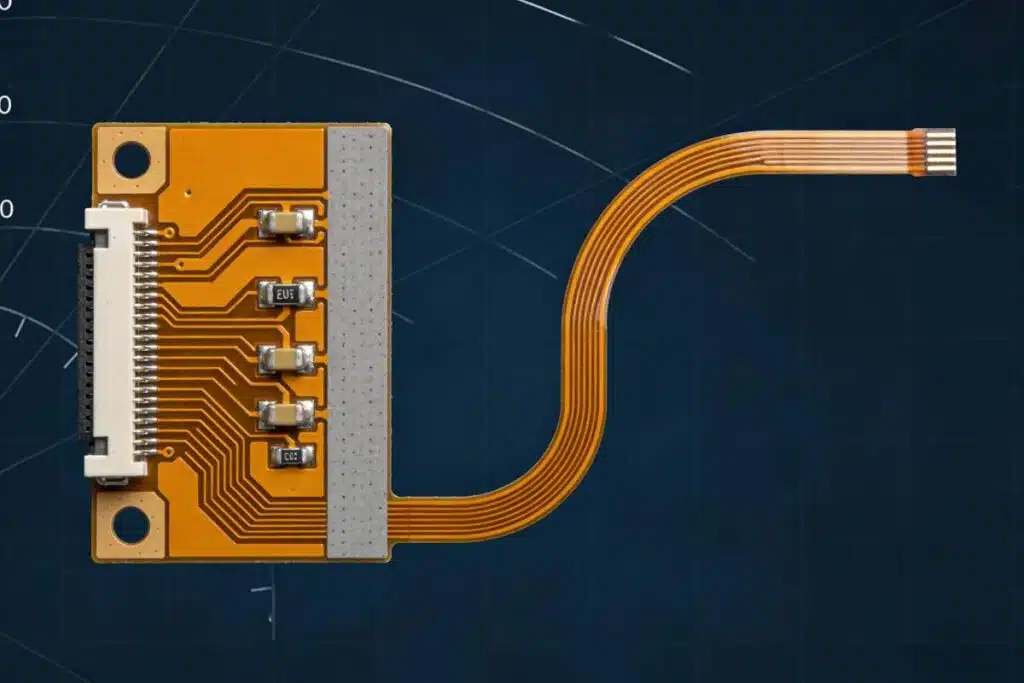
How Much Clearance Between FPC Trace and Board Edge Is Safe?
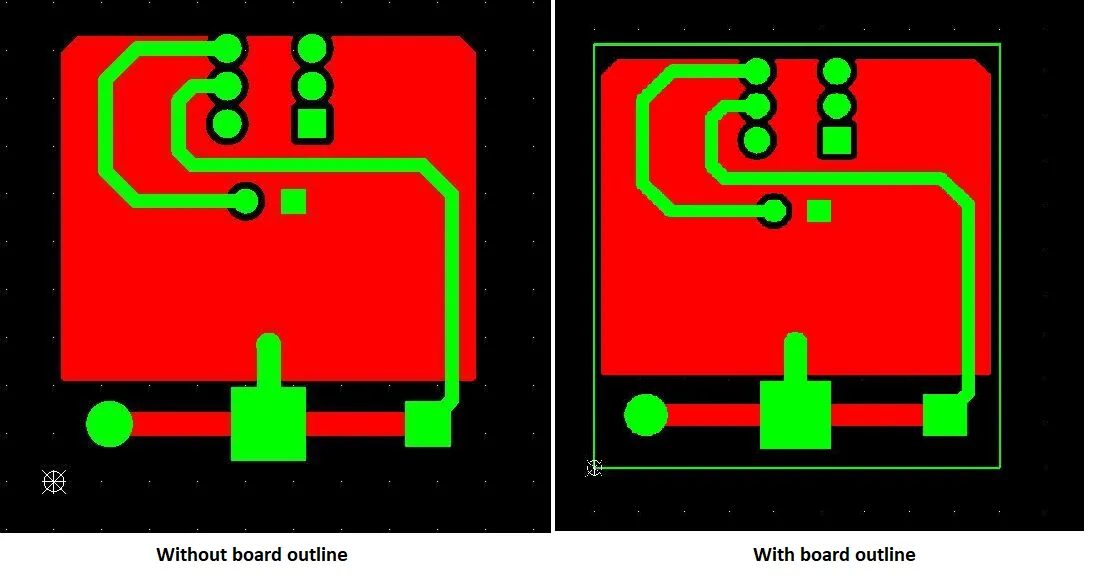
Common Outline Layer Mismatch Problems in FPC Gerber Files

How Do FPC Factories Compensate Coverlay Openings in Practice?
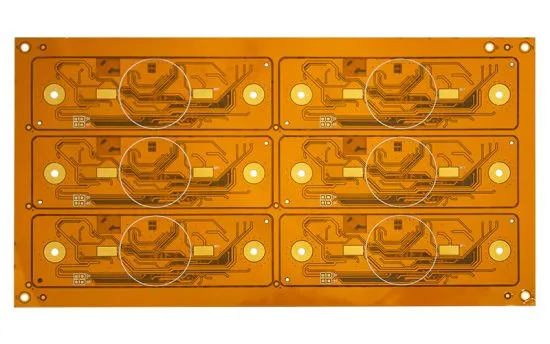
How to Properly Specify Back Adhesive Type and Thickness for FPC
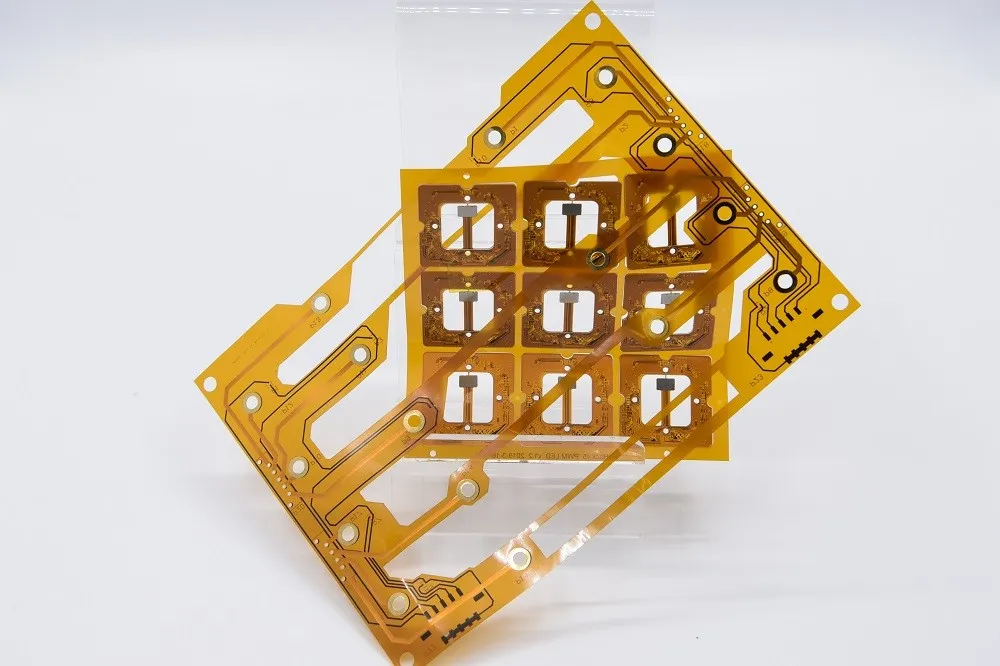
Why Large Ground Openings Can Cause Manufacturing Problems in FPC?
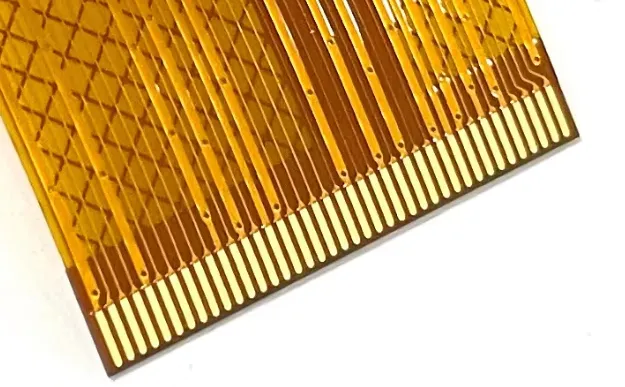
Should Via Openings Be Kept on FPC Boards?
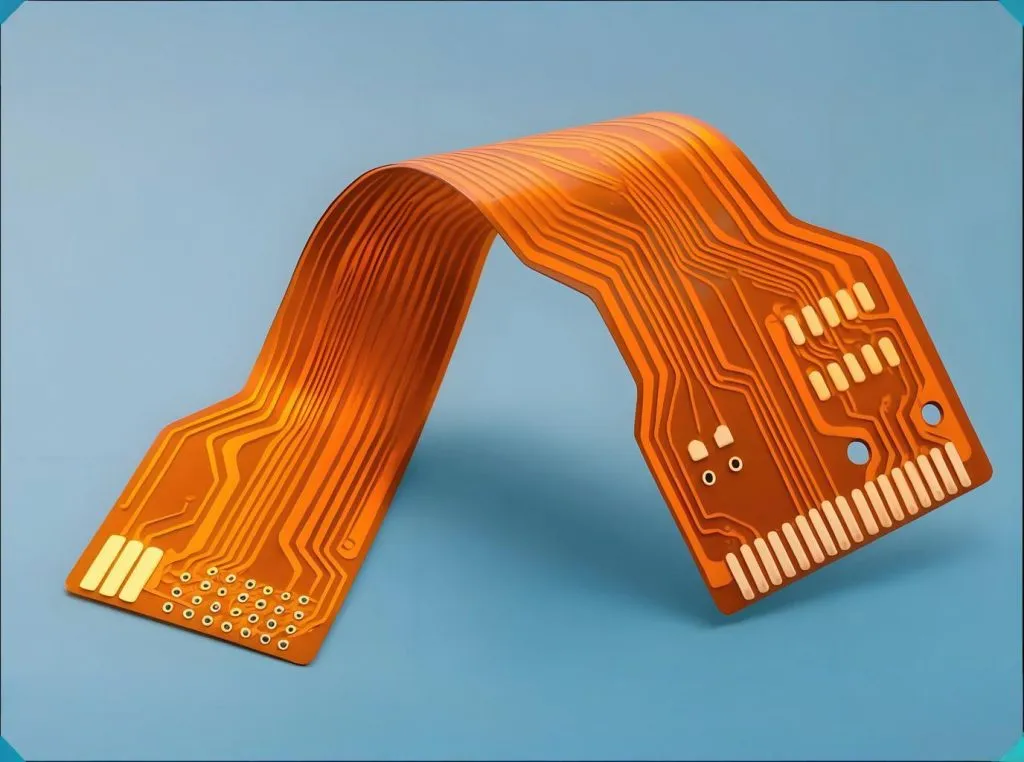
Canceling Via Openings on FPC to Prevent Long-term Oxidation
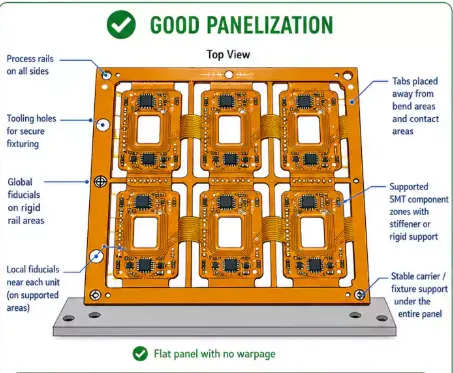
When Should You Add Waste Edge Protection on FPC Panels?
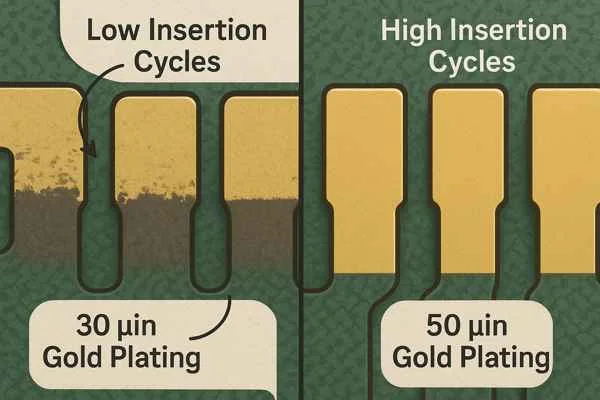
What Total Thickness Should You Control for FPC Insertion Finger Area?
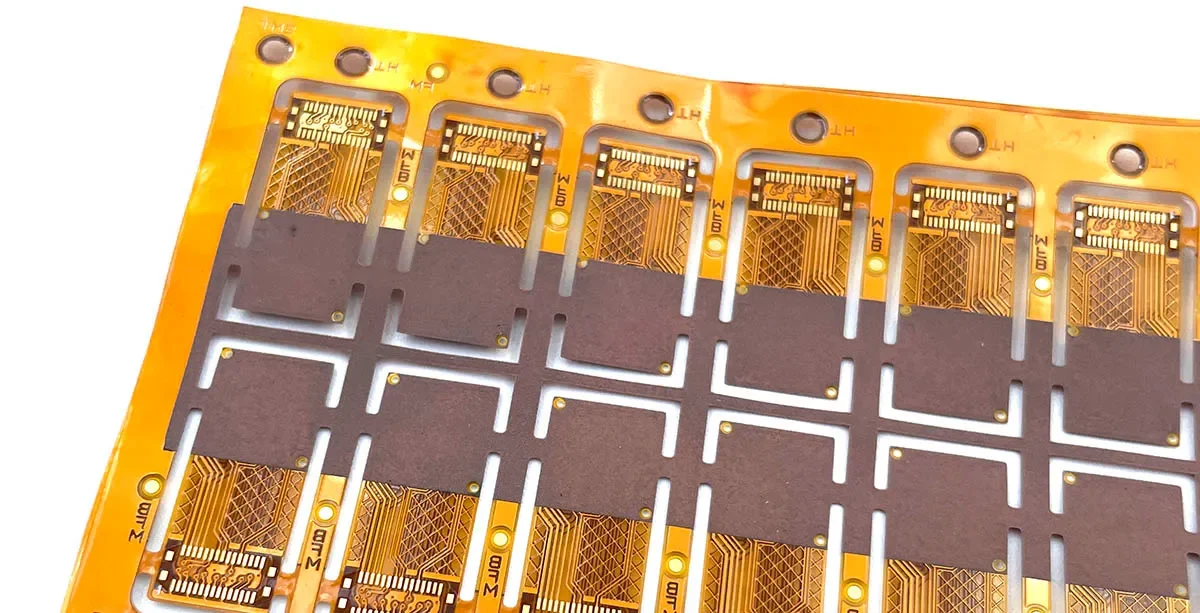
FPC Panel Size for Mass Production: What Size Works Better?
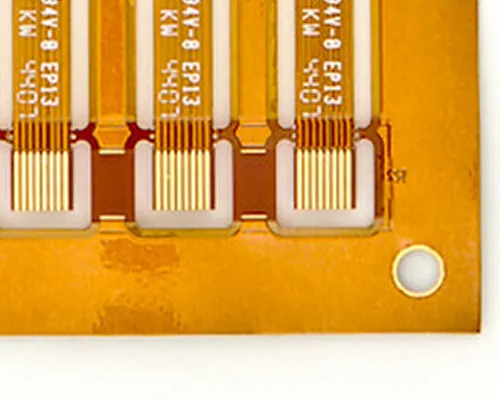
How Many Connection Points Are Needed for Stable FPC Panel Shipment?
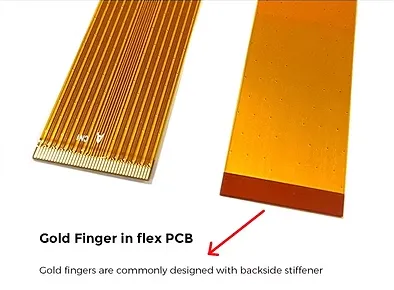
How Far Should PI Stiffener Be from FPC Gold Finger Opening?