 00:51
00:51
PCB Cost
Understanding PCB cost is essential for engineers, designers, and manufacturers aiming to balance quality, functionality, and budget in electronics projects. This tag page aggregates articles focused on PCB cost, exploring the various factors that influence pricing and strategies to manage expenses effectively. Whether you are prototyping a new device or scaling up production, knowing how to calculate and optimize these costs can significantly impact your project's success. Key elements affecting PCB cost include material choices, such as FR-4 versus advanced substrates, layer count, board size, and complexity of features like vias and traces. Manufacturing processes, including fabrication techniques and assembly methods, also play a critical role, with options like surface-mount technology often reducing expenses compared to through-hole alternatives. Additionally, volume plays a pivotal role; higher quantities typically lower per-unit costs due to economies of scale, while low-volume runs may incur setup fees that inflate the total. For practical applications, our articles delve into best practices for cost reduction, such as design for manufacturability principles that minimize waste and rework. You will find insights on selecting reliable suppliers, negotiating quotes, and using cost estimation tools to forecast expenses accurately. Real-world examples illustrate how iterative design adjustments can cut costs without compromising performance, helping you make informed decisions. Browsing the resources here provides detailed guides and case studies that address common challenges in PCB budgeting. These pieces offer actionable advice tailored to different project scales, from hobbyist endeavors to industrial applications, ensuring you have the knowledge to achieve cost-effective outcomes in your electronics work.
Video Guide

Technical Articles
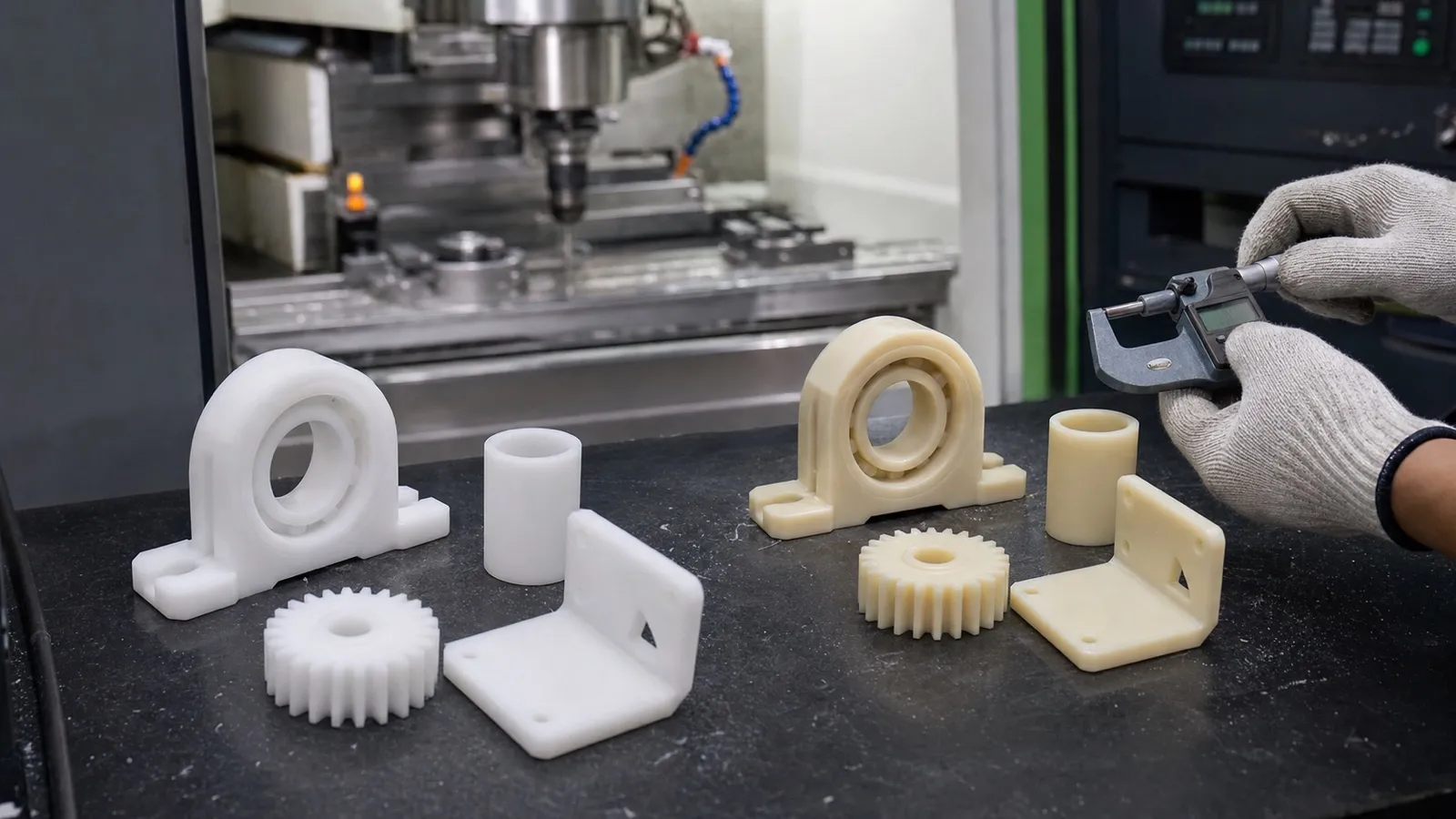
ABS vs POM vs Nylon: Choosing the Right Plastic for CNC Machining
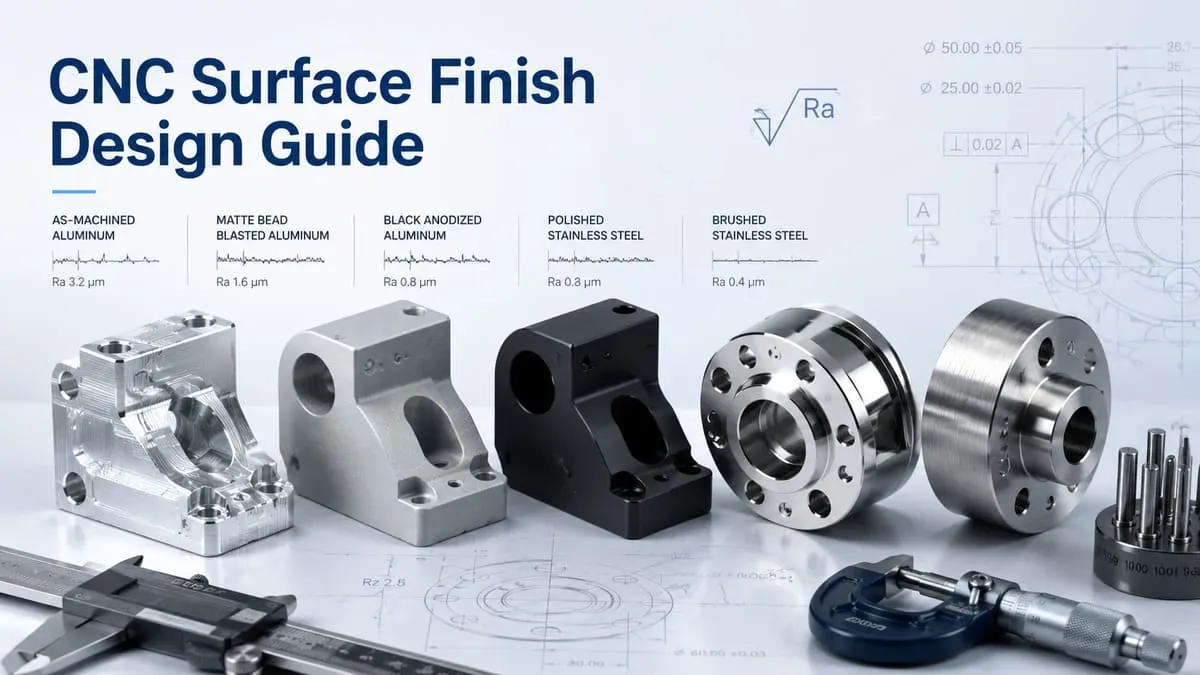
How to Choose the Right Surface Finish for CNC Parts
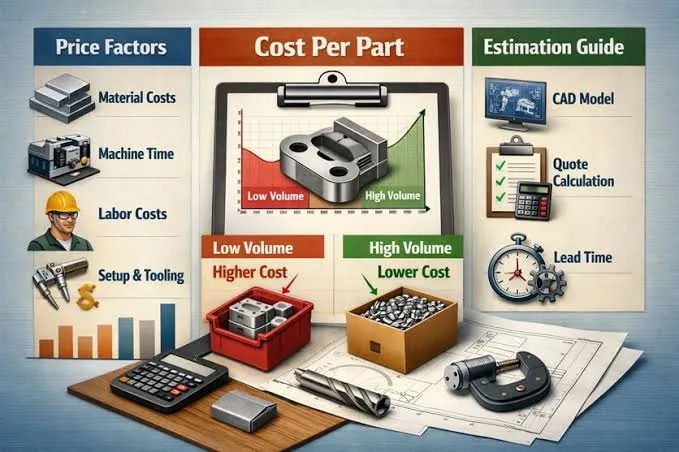
CNC Machining Cost Guide: What Factors Affect Pricing?
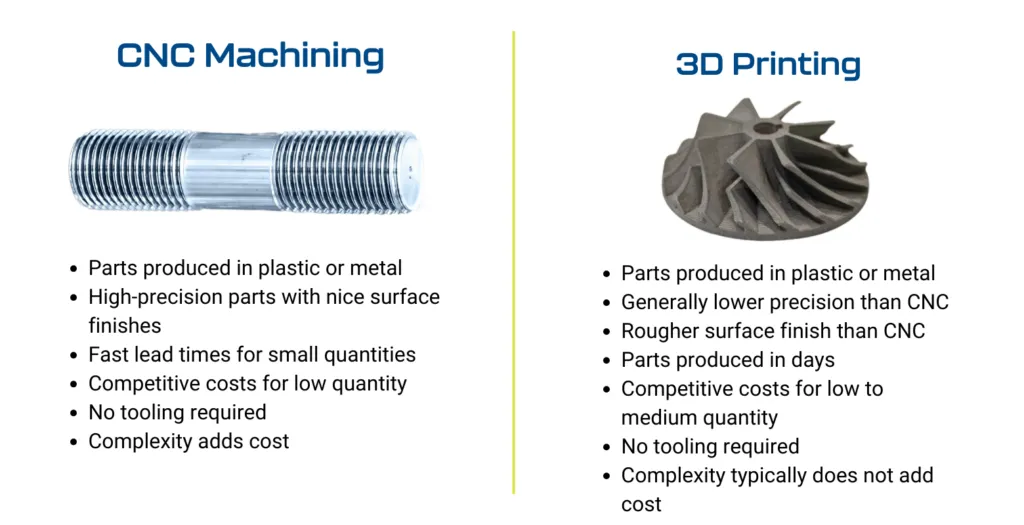
CNC Machining vs 3D Printing Design Rules: What Engineers Should Know
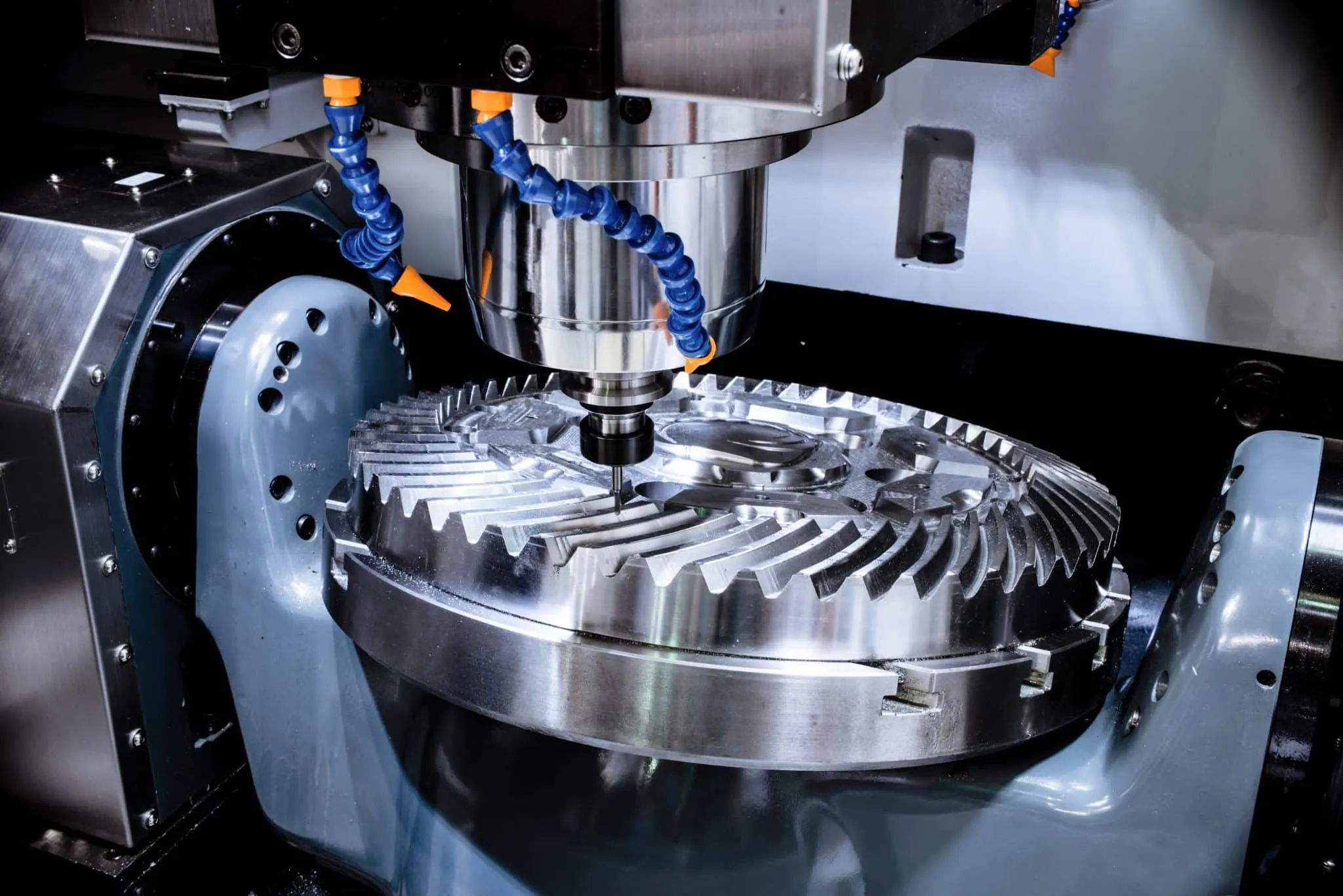
CNC Machining Services Explained: Processes, Capabilities and Applications
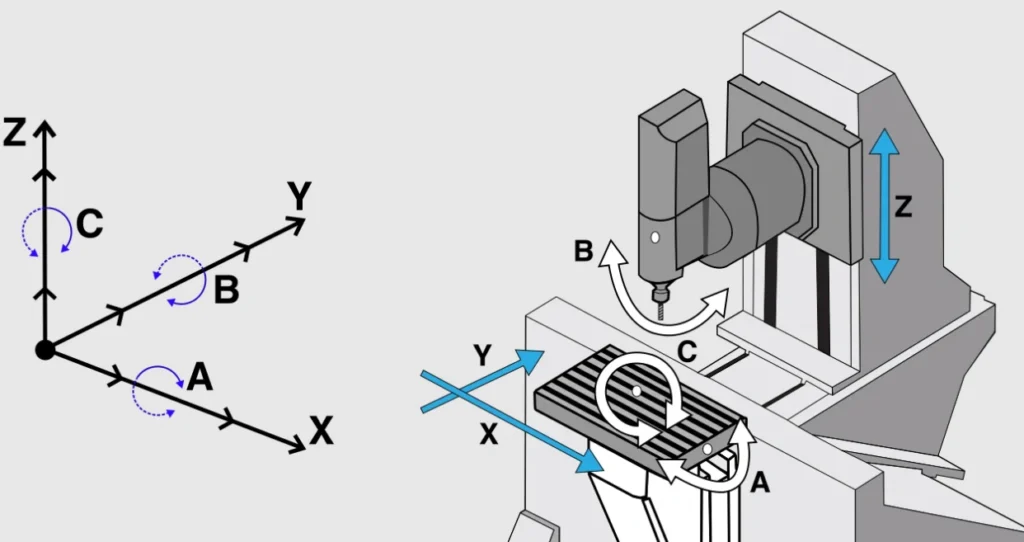
How to Design CNC Parts for Low Volume Production

CNC Machining Wall Thickness Guidelines: How Thin Can You Machine?
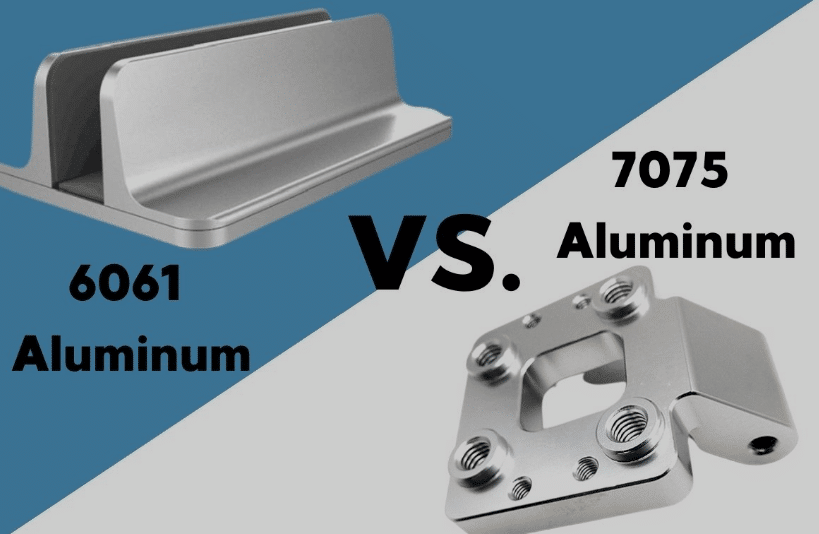
Aluminum 6061 vs 7075 CNC Enclosure for Electronics
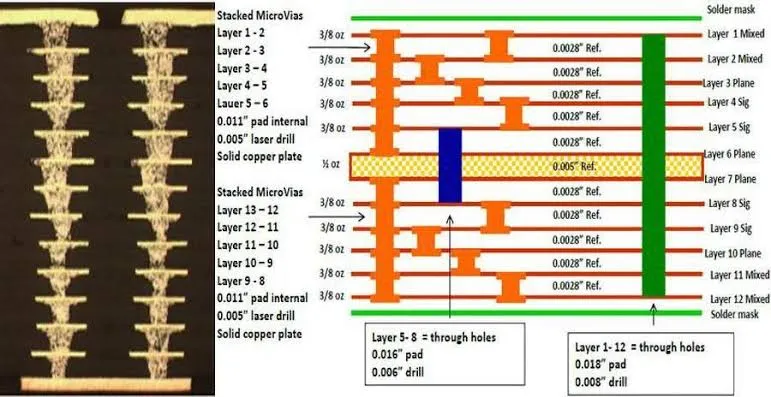
Why Your HDI Stackup Cannot Always Follow the Original Design
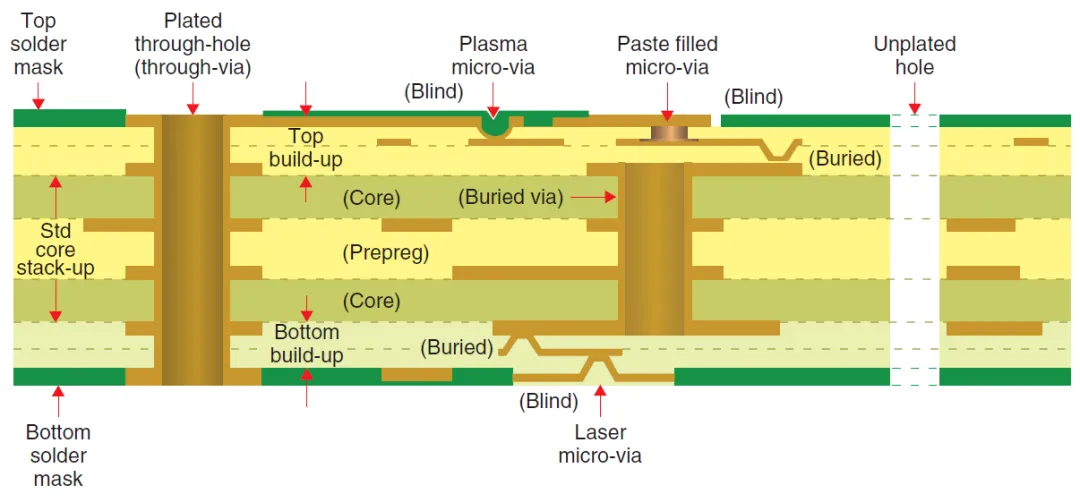
0.1mm vs 0.15mm Microvia: Which Size Is Better for HDI PCB?
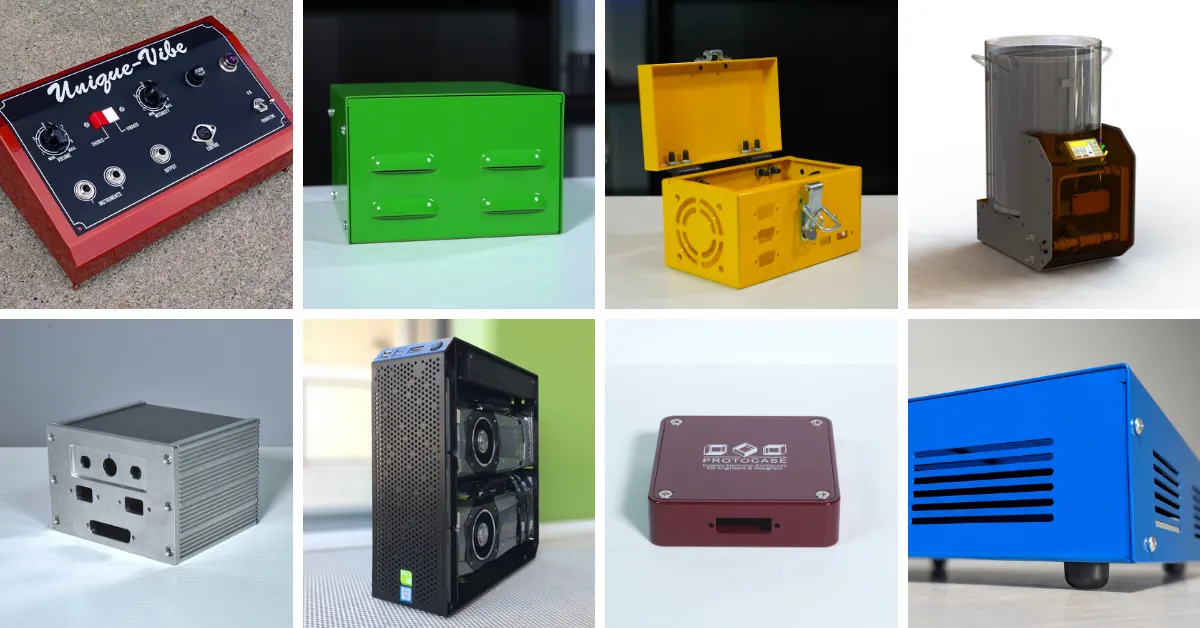
CNC Aluminum Enclosure vs Sheet Metal Enclosure for PCB Applications
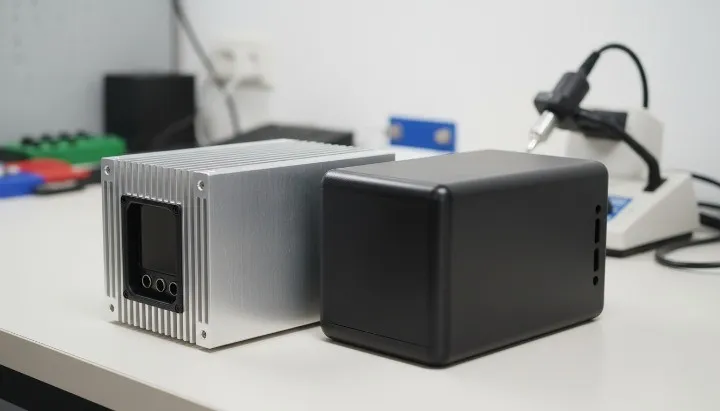
Aluminum CNC Housing vs Plastic Housing for PCB Devices

Sheet Metal Surface Finishing Guide for Electronic Products
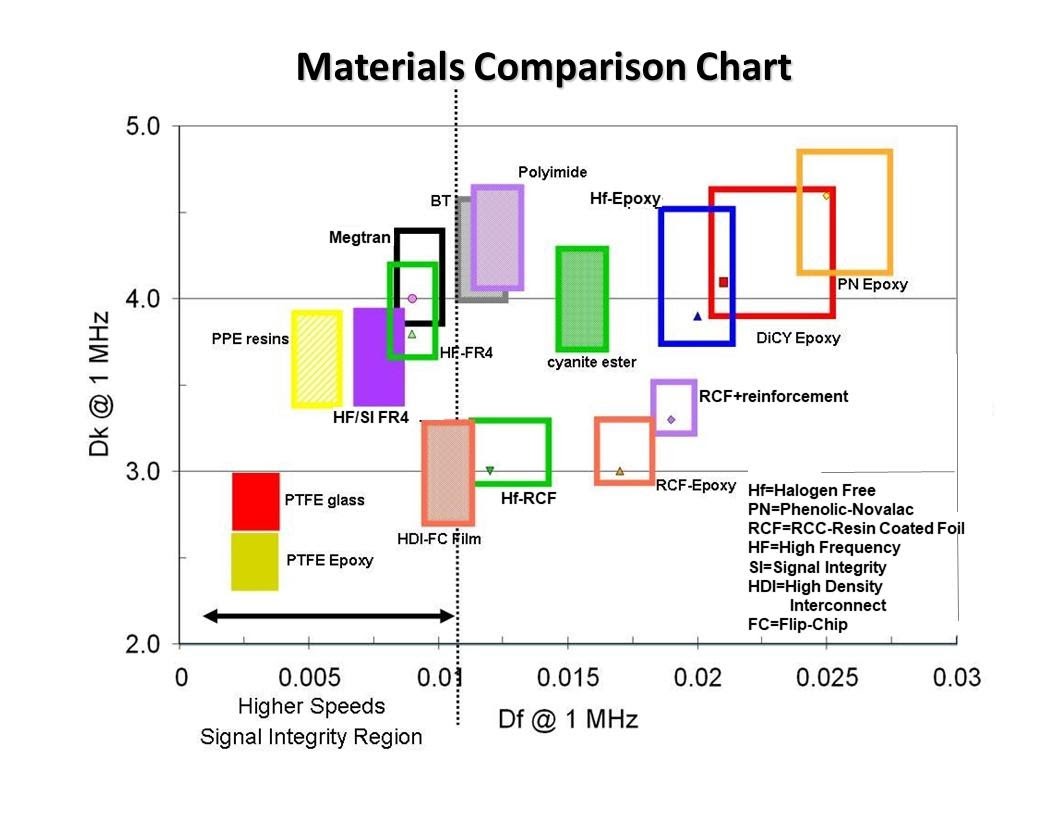
HDI Stackup Material Selection Mistakes That Increase Cost and Lead Time
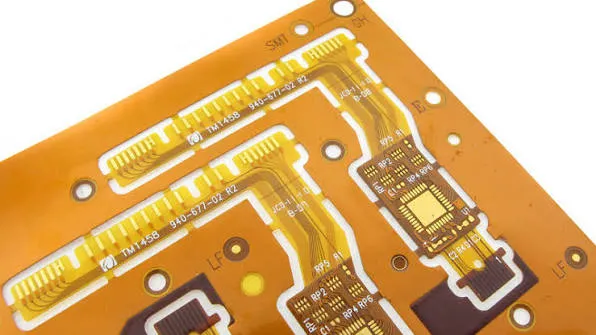
How to Decide Between Large Panel and Smaller Panel for FPC Orders
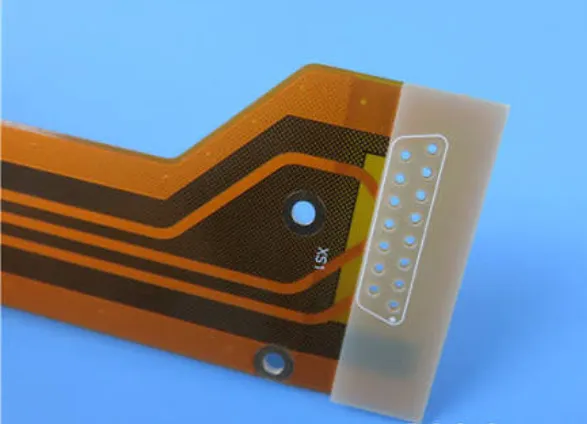
PI Stiffener vs FR4 Stiffener – Which One Should You Use?
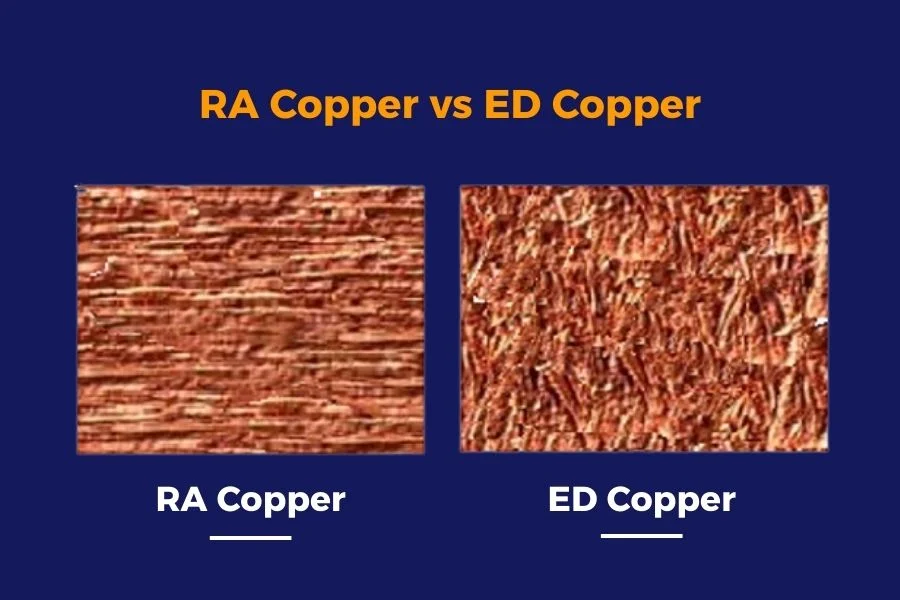
RA Copper vs ED Copper for Flexible PCB

Kingboard Announces 10th CCL Price Increase as PCB Material Costs Continue Rising
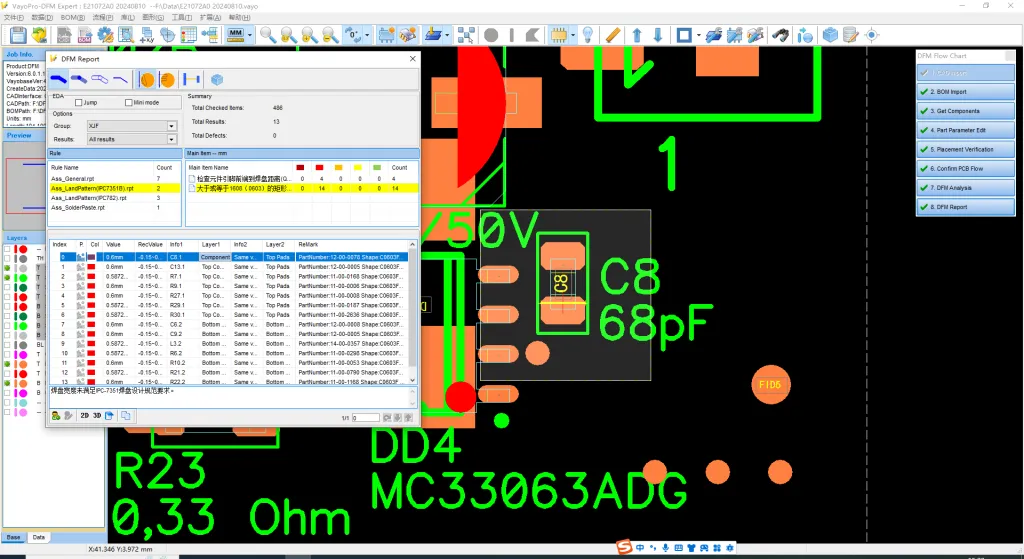
Avoiding Costly Mistakes: DFM Guidelines for Prototype PCB Assembly