 00:37
00:37
Silkscreen Optimization
Silkscreen optimization plays a crucial role in printed circuit board (PCB) design, focusing on the strategic placement and refinement of text, symbols, and markings on the board's surface. This process ensures that labels for components, test points, and assembly instructions are clear, durable, and efficient, minimizing errors during manufacturing and maintenance. For engineers and hobbyists searching for silkscreen optimization techniques, this tag gathers resources that address common challenges such as ink adhesion, resolution limits, and integration with multilayer boards. By optimizing silkscreen elements, designers can enhance board functionality while adhering to industry standards like IPC-7351, ultimately leading to more reliable and user-friendly electronics. Practical applications of silkscreen optimization include selecting appropriate fonts and sizes to improve readability under various lighting conditions, as well as positioning markings to avoid interference with solder masks or vias. Best practices often involve using vector-based graphics for sharper results and incorporating automated tools in design software like Altium or Eagle to streamline the process. These methods not only reduce production costs by minimizing rework but also support scalability for high-volume manufacturing. Whether you are troubleshooting assembly issues or refining prototypes, the articles linked here offer step-by-step guidance on achieving optimal silkscreen layouts that balance aesthetics with performance. For those delving deeper into PCB fabrication, exploring the content under this tag reveals insights into advanced topics such as thermal-resistant inks and compliance with RoHS regulations. Readers can find case studies demonstrating how optimized silkscreen has improved product lifecycles in sectors like consumer electronics and automotive systems. This collection serves as a valuable reference for implementing effective strategies that elevate your PCB projects.
Video Guide
Technical Articles
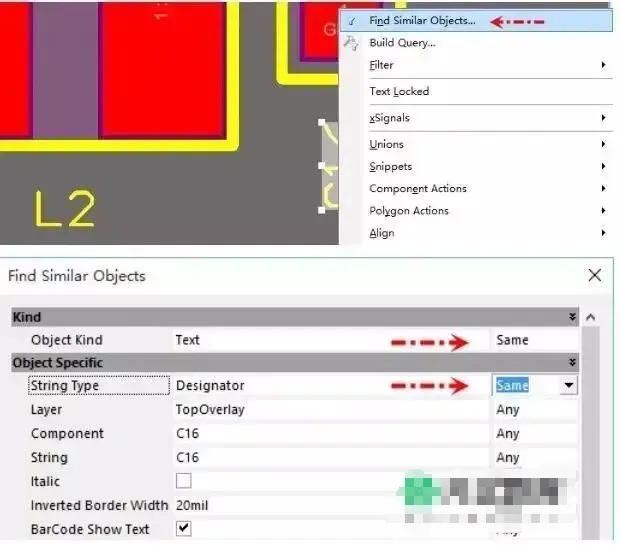
Global Editing Techniques in Altium Designer (Find Similar Objects)
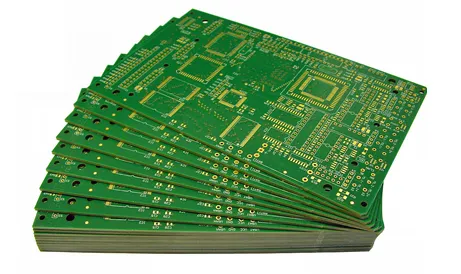
Rigid PCB Silkscreen: Adding Component Designators and Markings for Easy Assembly
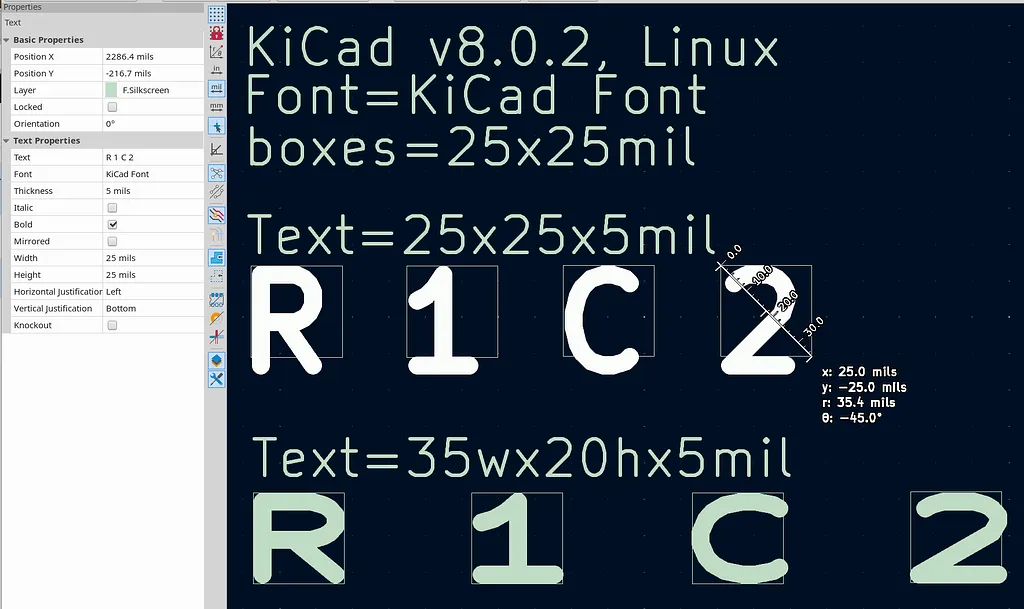
FPC Silkscreen Small Text vs Larger Text: What Works Better in Production?
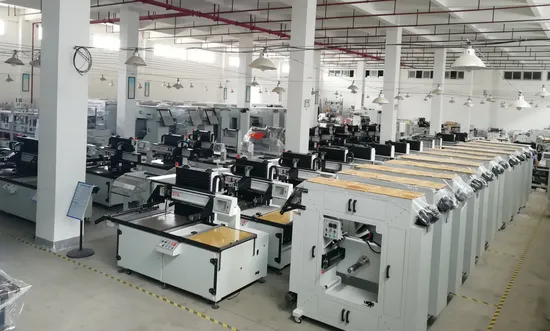
Why FPC Silkscreen Characters Keep Coming Out Blurry
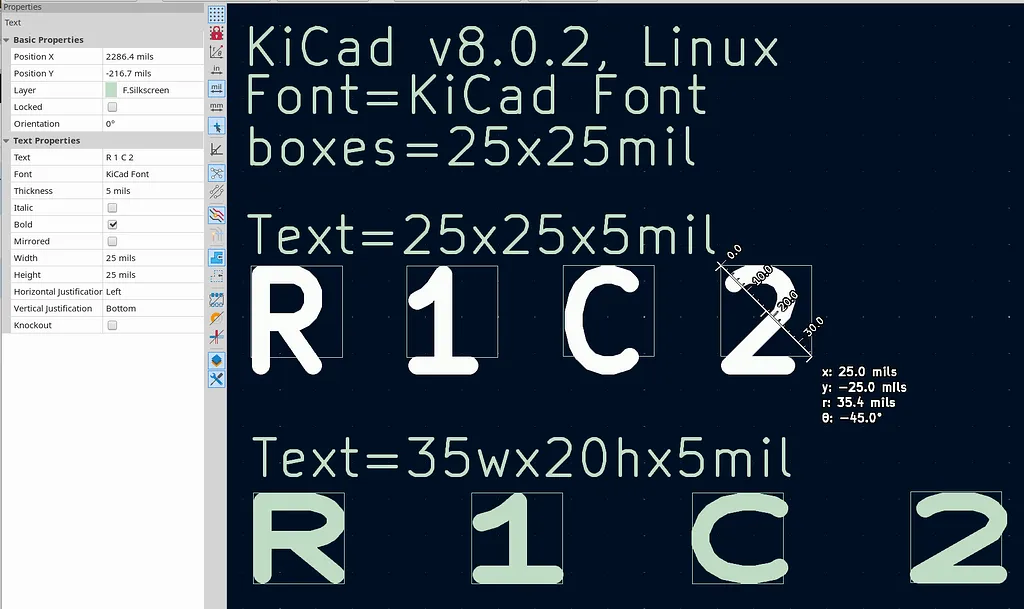
How Small Is Too Small for FPC Legend Text?
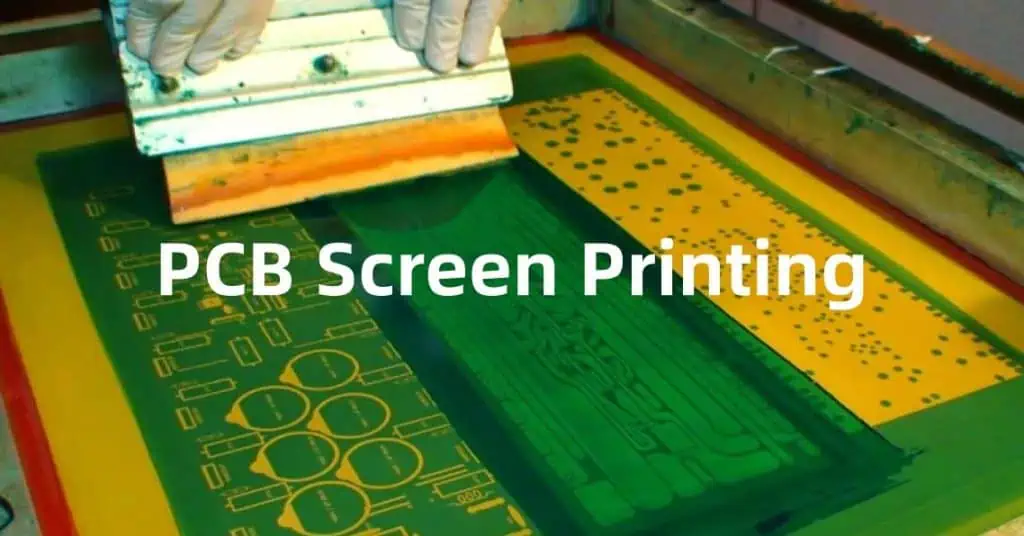
Silkscreen Placement: Optimizing Space in Compact PCB Designs
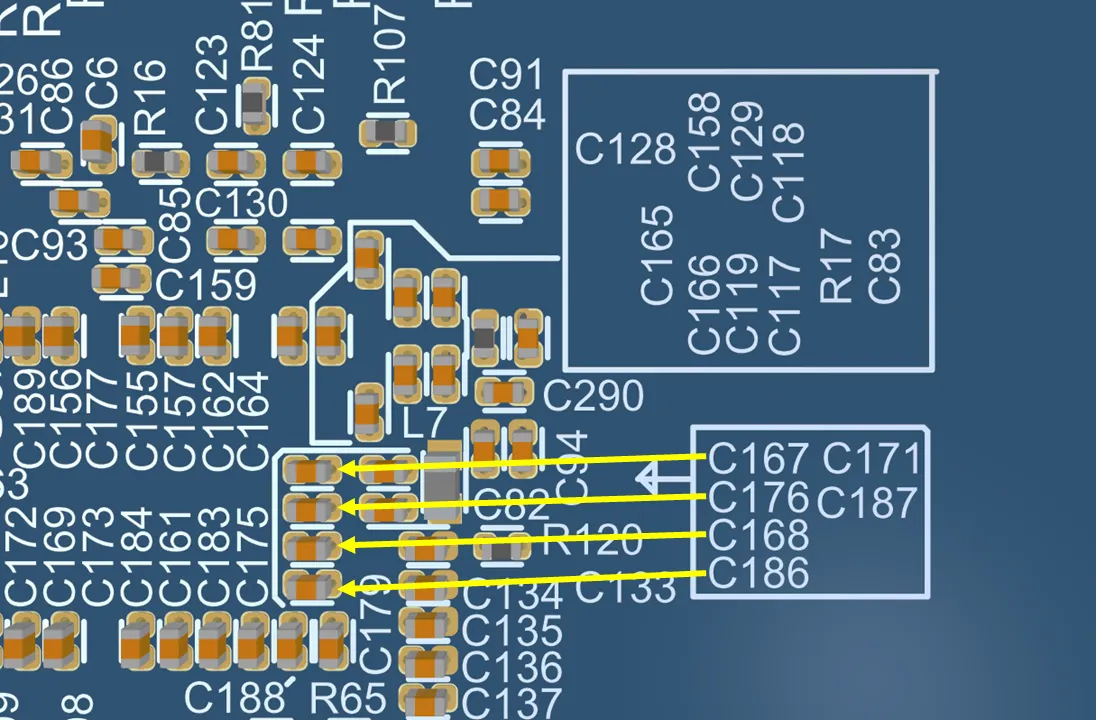
The Essential Guide to Silkscreen Design with Altium Designer
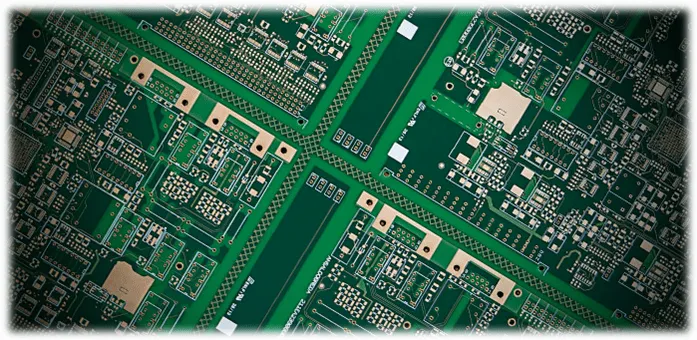
Silkscreen Design for High Density PCBs: Achieving Clarity in Compact Spaces
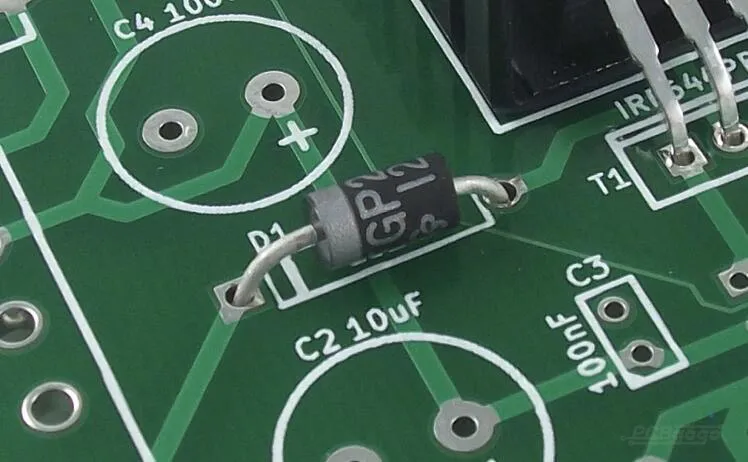
Mastering PCB Silkscreen Design for Clear and Efficient Boards
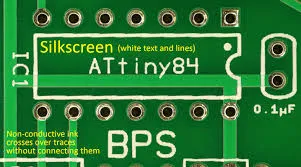
Optimal Silkscreen Font Sizes for PCB Component Identification
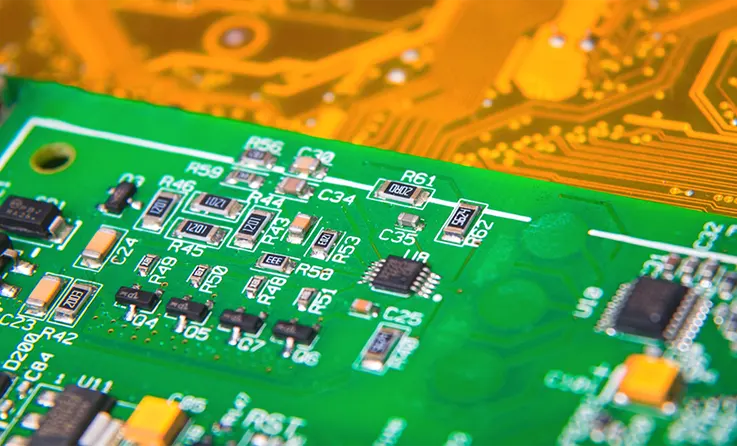
Silk Screen Color Matching: Achieving Precision in PCB Manufacturing
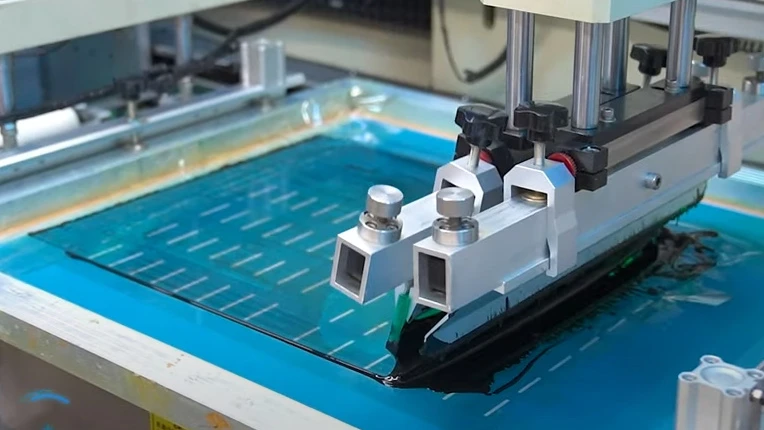
Silk Screen Color and High-Density PCBs: Optimizing for Clarity
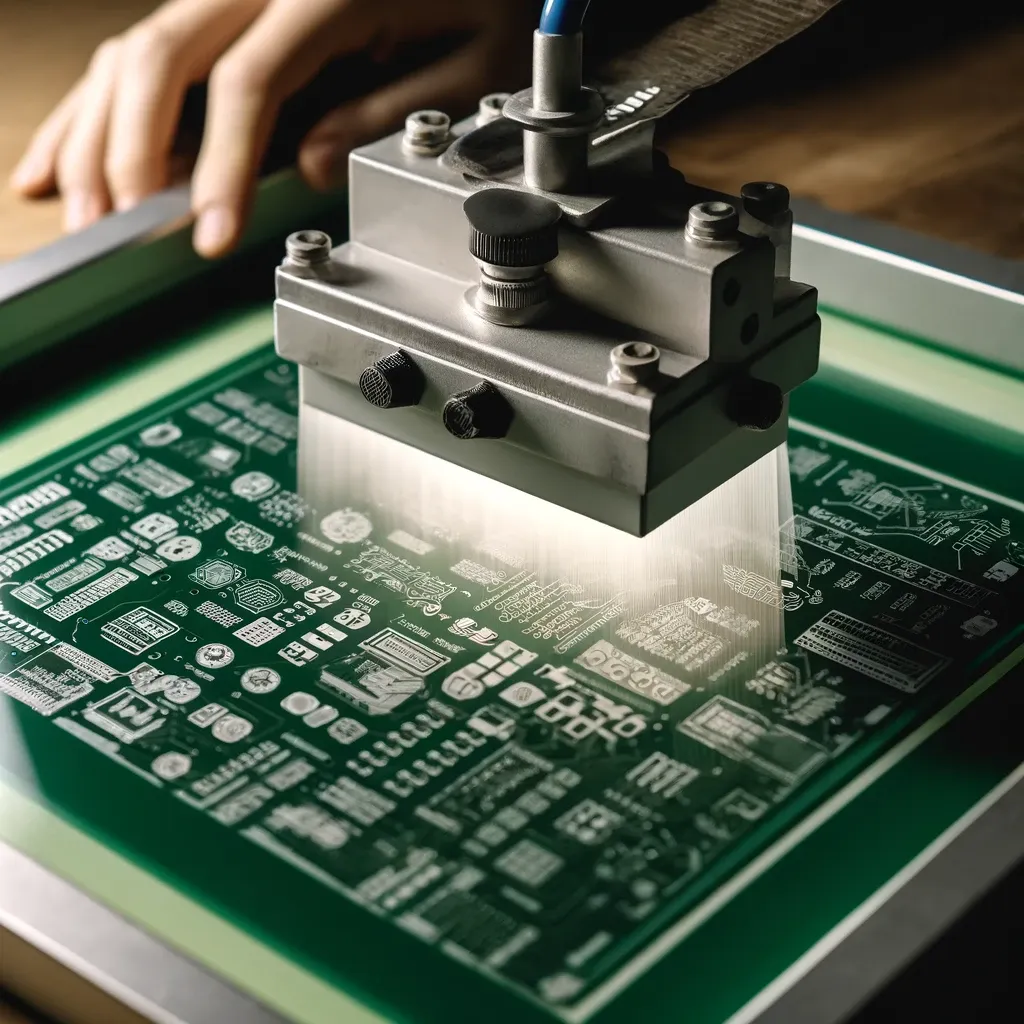
The Future of Silk Screen Color Technology in PCB Manufacturing
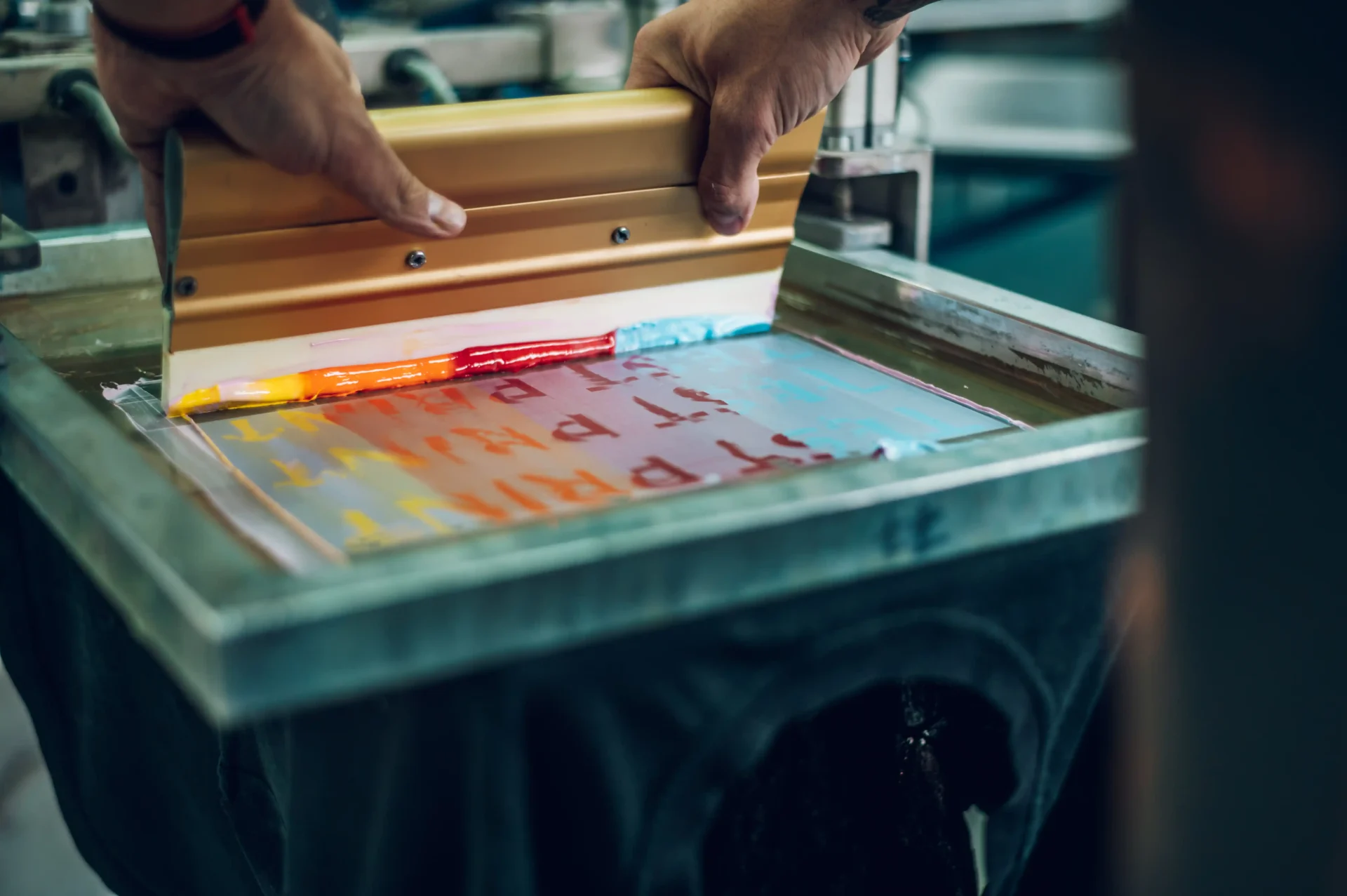
The Cost Effective Silk Screen Color: Balancing Quality and Budget
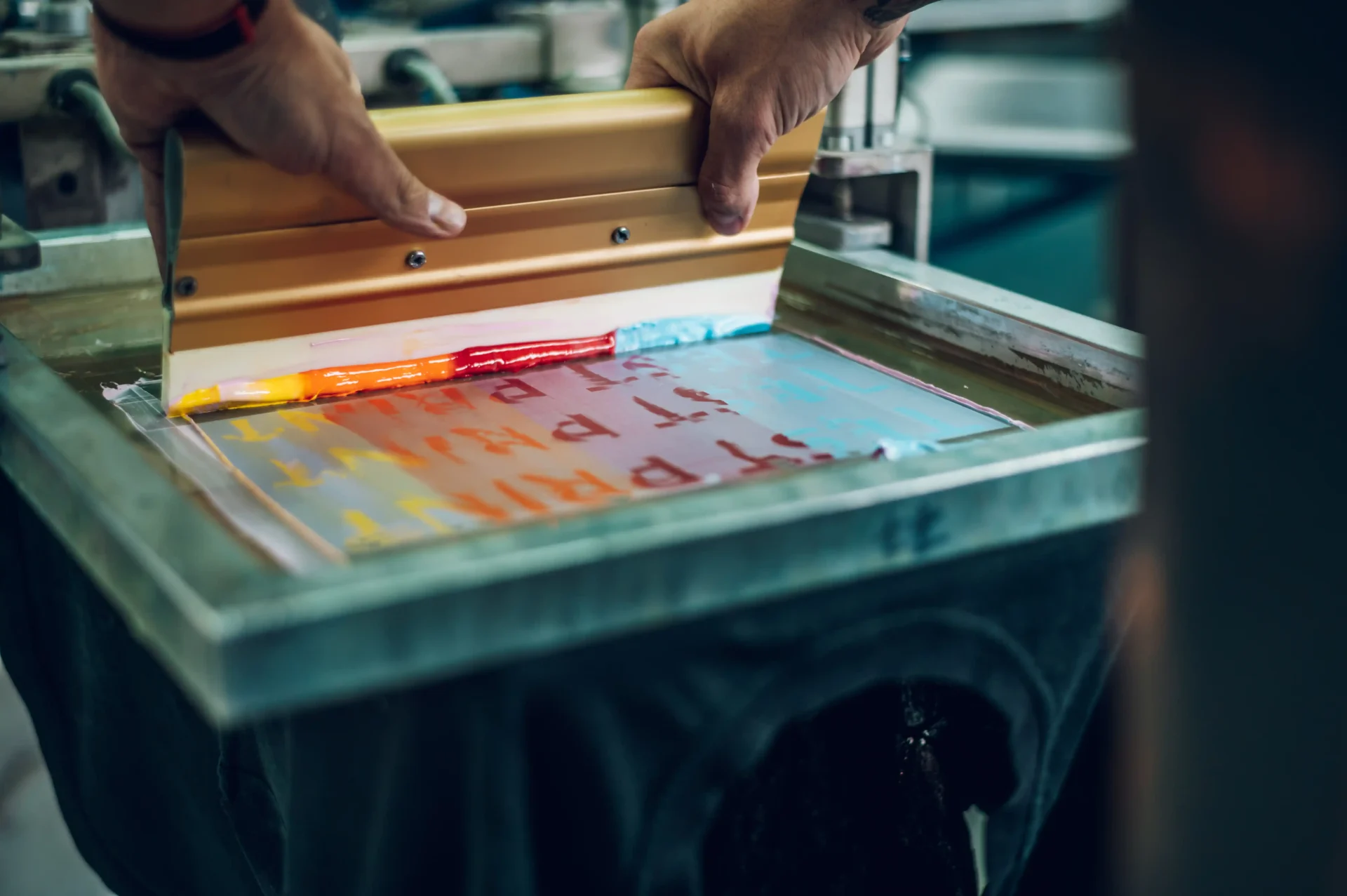
The Cost-Effective Silk Screen Color: Balancing Quality and Budget