










 00:51
00:51
SMT Assembly
Surface Mount Technology (SMT) Assembly represents a cornerstone of modern electronics manufacturing, enabling the efficient production of compact, high-performance circuit boards. This process involves mounting electronic components directly onto the surface of printed circuit boards (PCBs), eliminating the need for drilled holes and allowing for denser component placement. For engineers, hobbyists, and manufacturers searching for insights on SMT Assembly, this tag curates a collection of articles that delve into its fundamentals, from component selection to reflow soldering techniques. Understanding SMT Assembly is essential for achieving reliable, cost-effective designs in industries such as consumer electronics, automotive systems, and telecommunications, where space constraints and high-speed performance are critical. One of the key advantages of SMT Assembly lies in its automation potential, which streamlines production lines and reduces labor costs. Practical applications include creating miniature devices like smartphones and wearables, where precise placement of tiny components ensures functionality and durability. Best practices emphasized here include optimizing stencil design for solder paste application, selecting appropriate flux types to prevent defects like tombstoning or bridging, and implementing rigorous inspection methods such as automated optical inspection (AOI) to maintain quality control. By following these guidelines, users can minimize common pitfalls, improve yield rates, and enhance the overall reliability of their assemblies. For those tackling specific challenges, such as transitioning from through-hole to SMT methods or scaling up production, the articles under this tag offer detailed case studies and step-by-step tutorials. Readers can find guidance on equipment selection, like pick-and-place machines and reflow ovens, tailored to various project scales. Whether you are prototyping a new gadget or refining an existing manufacturing process, exploring these resources provides the technical depth needed to implement SMT Assembly effectively in your work.
Video Guide
-
00:51
-
 01:23
01:23
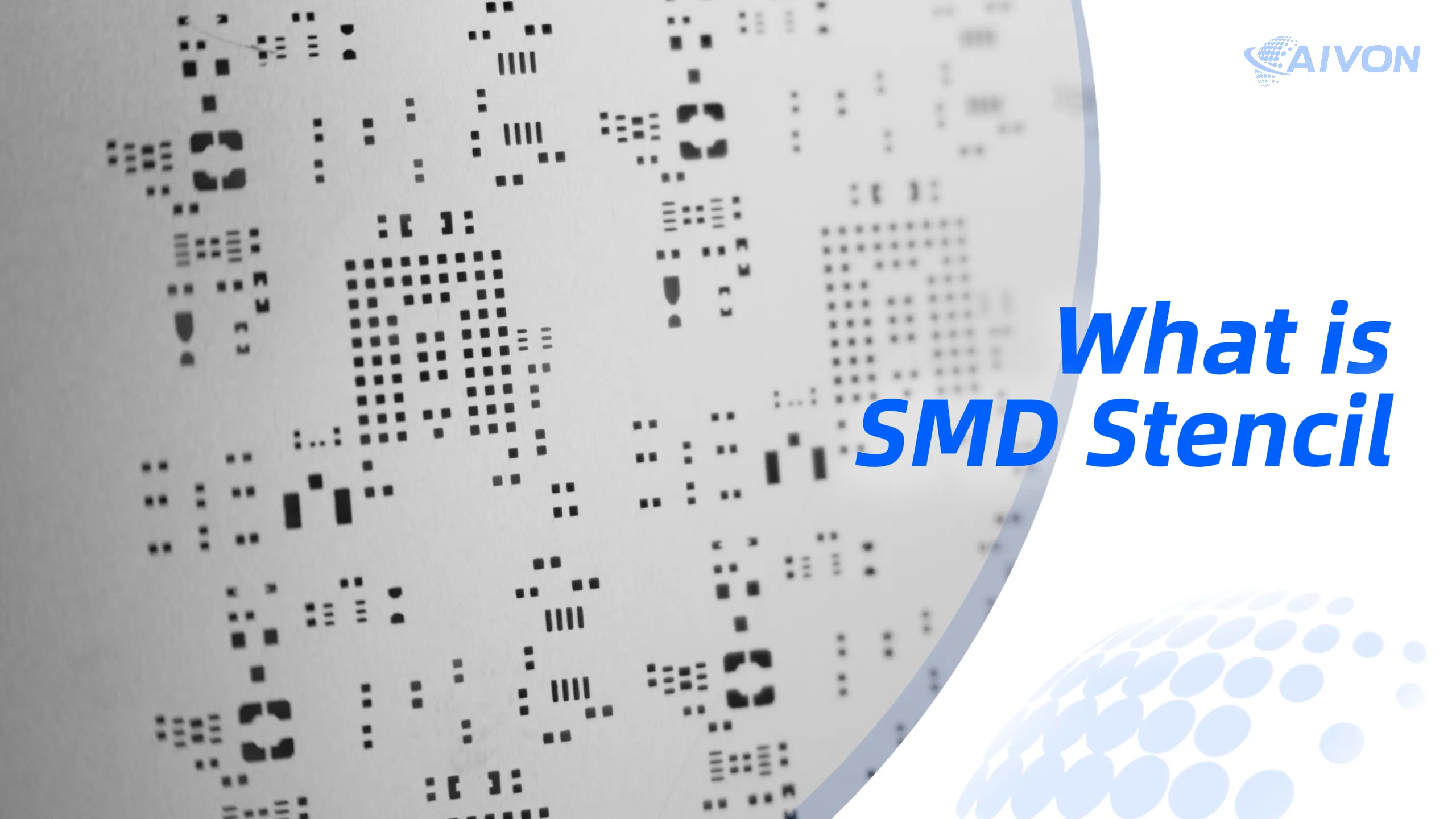
SMD Stencil Explained: How Precise Solder Paste Printing Works on PCBs
-
 00:47
00:47
PCB Surface Finish Explained: HASL, ENIG, and OSP Comparison
-
 01:26
01:26
One-Stop PCBA Video: End-to-End Precision from Prototype to Volume Production
Technical Articles

DFM Deep Dive: Keep Vias Away from Pads to Prevent SMT Reflow Shorts and Tantalum Capacitor Offset

SMT Solder Joint Defect Case Study: Undersized Solder Balls on a CPU Socket
DFM in Practice: The Hidden Tolerance Trap—Why SMT Connector Locating Pins Must Be Smaller Than the Hole

Using SPC to Stabilize and Improve SMT Reflow Soldering

Handling PCB Warpage Out-of-Tolerance Alarms on Fuji NXT Pick-and-Place Machines: Board Height Measurement and Exception Handling
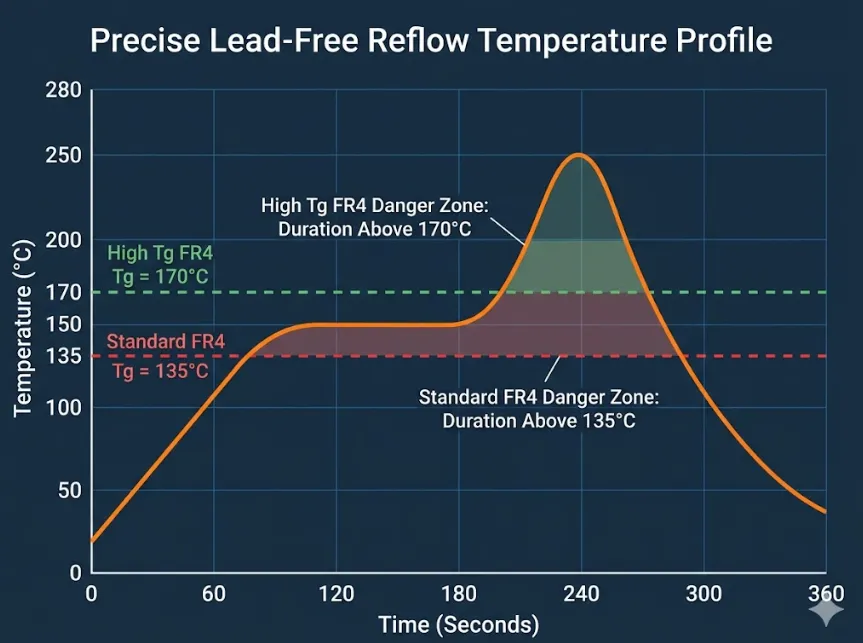
How PCB Tg Affects the SMT Reflow Soldering Process

Lead-Free Component Terminal Plating Materials and Processes: A Practical Guide for SMT Process Engineers

Unmasking the Invisible Killer in SMT Factories: Understanding Cost of Poor Quality (COPQ)

Dye Stain Analysis of SMT BGA Defects: A Review of Five Typical Cases
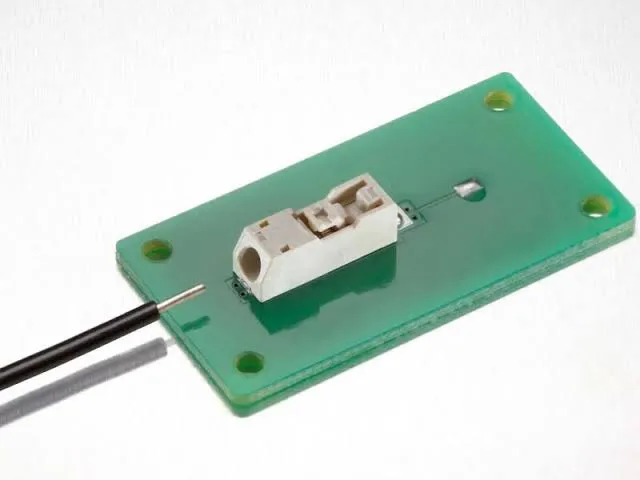
SMT Electronic Connectors: Structures, Materials, and Characteristics for Process Engineers
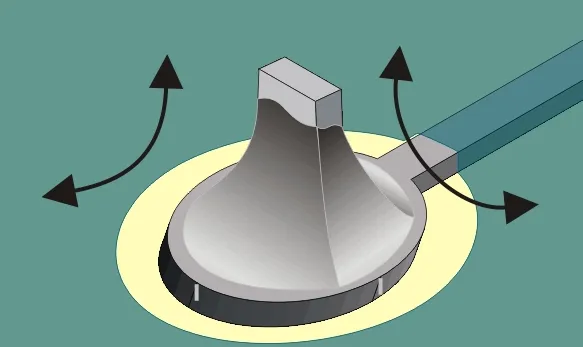
Fundamentals of Solder Joint Metallurgy in SMT: Concepts, Formation, and Performance
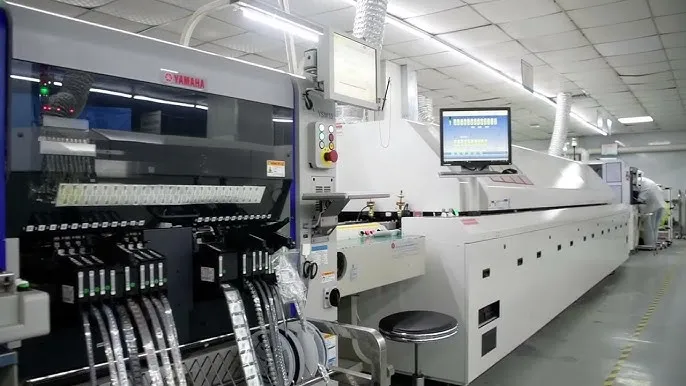
Why SMT Assembly Has Become Increasingly Difficult to Run Profitably
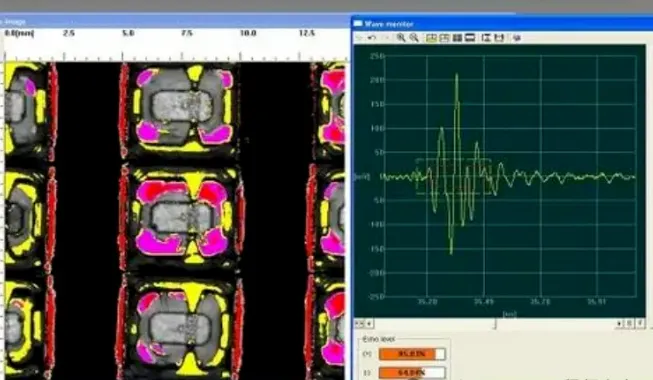
What Is C-SAM and How Does It Support SMT Process Analysis?
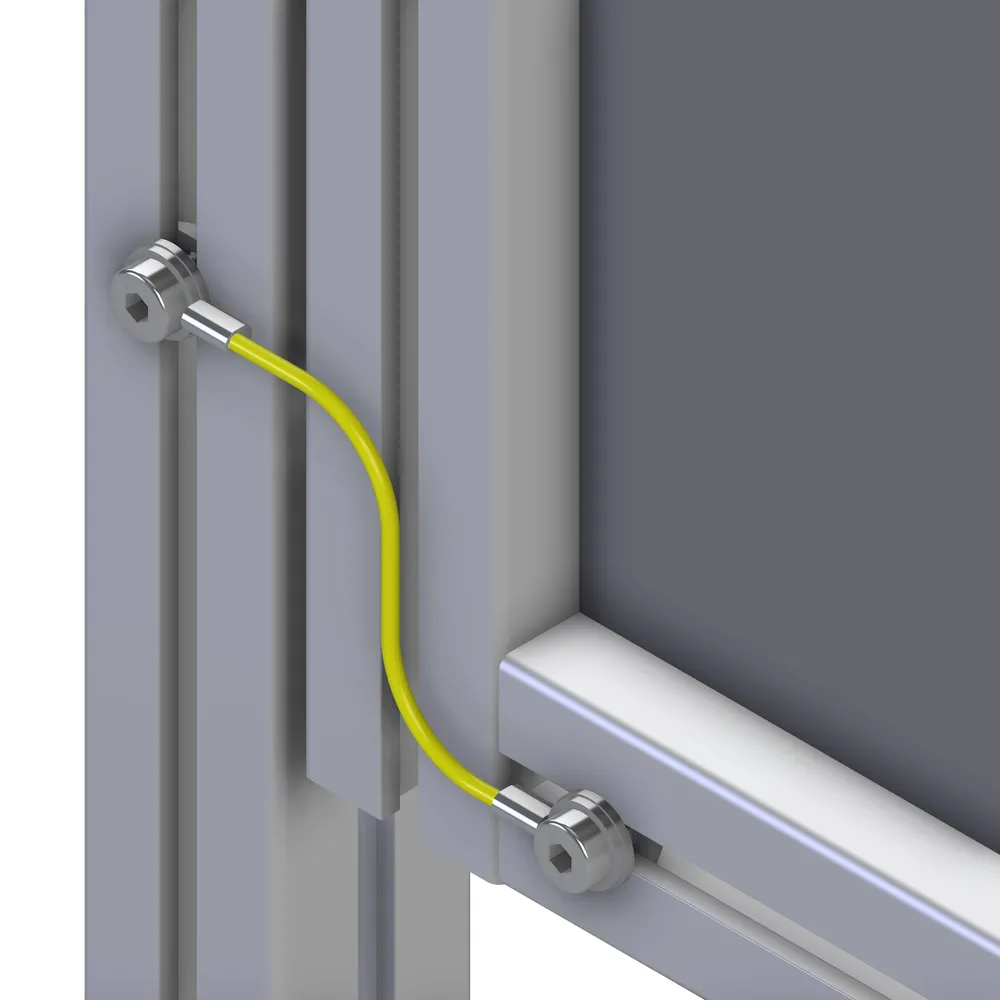
ESD Isolated Conductors: Definition and Measurement for SMT Engineers
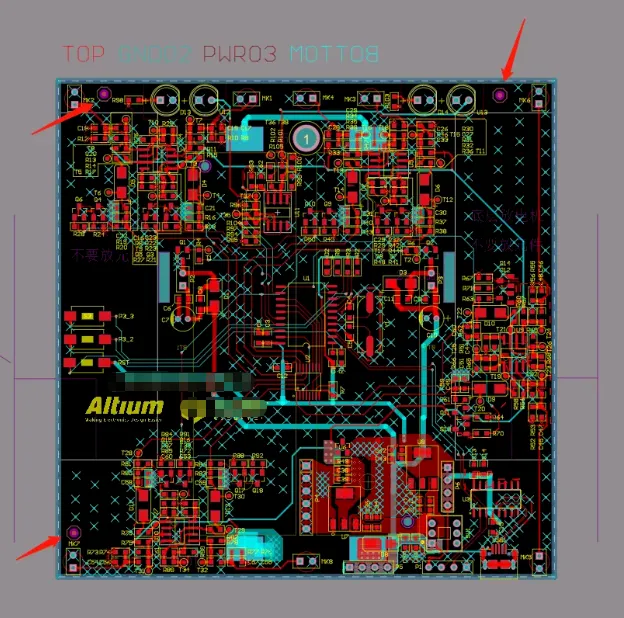
Why PCB Designs Include Fiducial Marks (Mark Points)
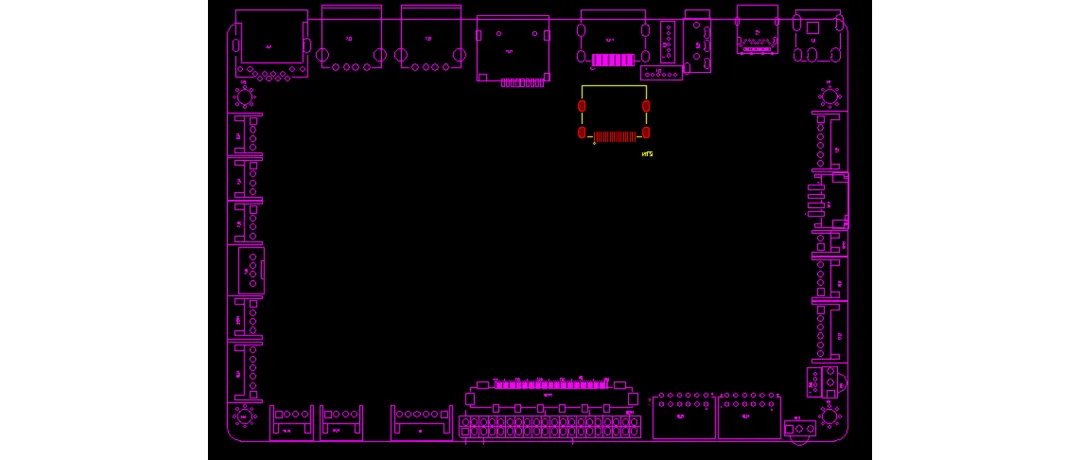
Why a Small Footprint-Origin Shift Moves Every Pick-and-Place Coordinate

What Are Adhesive Layers in KiCad PCB? A Practical Guide to Red Glue in SMT
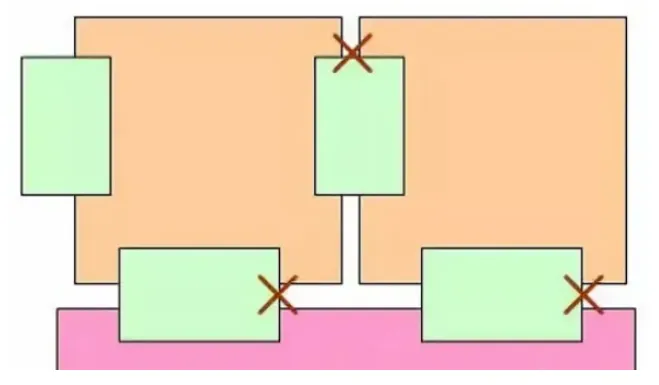
PCB Panelization Design: The Ultimate Guide to Cost Optimization and High-Throughput SMT
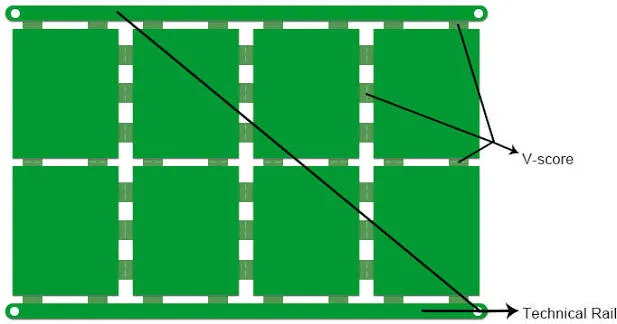
Why PCB Panels and Edge Rails Are Used in PCB Manufacturing


