 00:59
00:59
Bend Radius
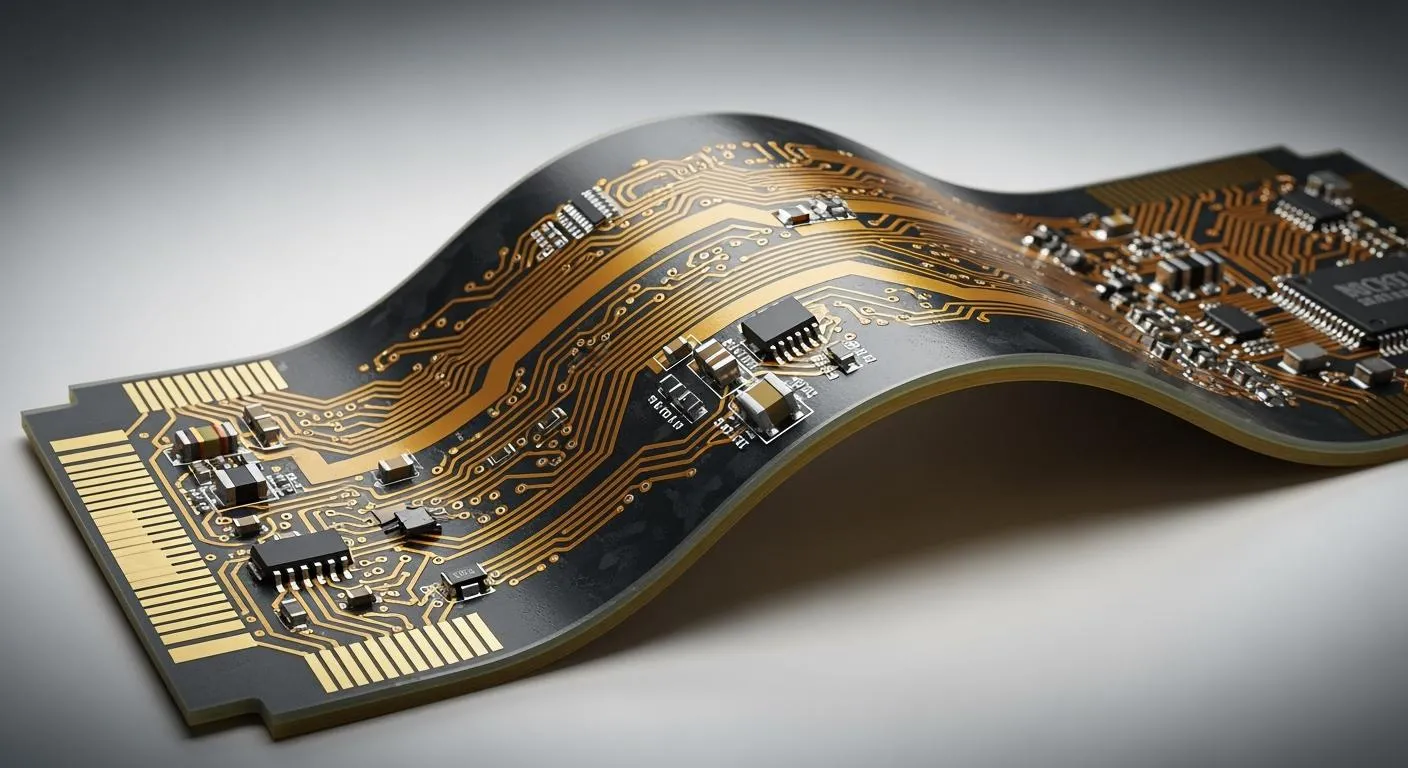
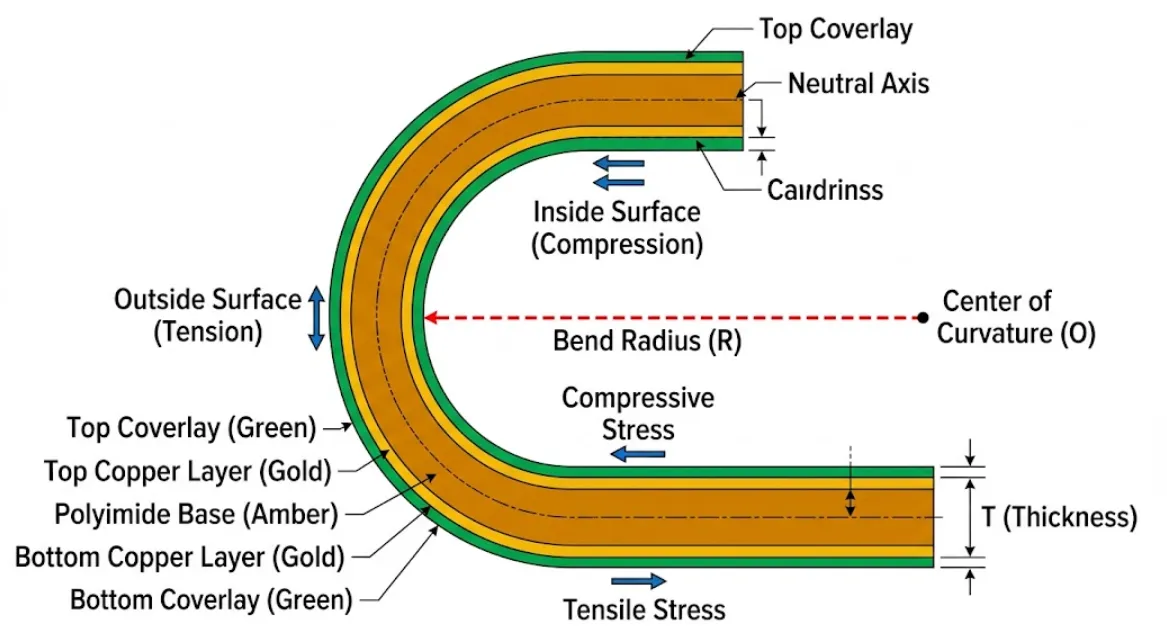
Bend radius is a critical parameter in the design and manufacturing of flexible printed circuit boards (PCBs), cables, and electronic assemblies, defining the minimum curvature a material can withstand without risking damage such as cracking, delamination, or signal degradation. For engineers and designers searching for information on bend radius, this tag serves as a comprehensive resource, gathering insights into its role in ensuring the reliability and performance of flexible electronics. Understanding bend radius helps prevent common failures in applications like wearable devices, automotive sensors, and medical equipment, where repeated flexing or tight installations are common. In practical terms, calculating the appropriate bend radius involves factors such as material thickness, copper trace width, and environmental conditions. For instance, in flex PCBs, a general rule of thumb is to maintain a bend radius at least 10 times the board's thickness for single-layer designs, though this can vary based on multilayer configurations or high-frequency requirements. Adhering to standards like IPC-2223 provides guidelines to optimize designs, reducing stress on components and extending product lifespan. Designers can apply these principles to select suitable materials, such as polyimide substrates, and incorporate strain relief features to accommodate dynamic movements. This collection of articles under the bend radius tag offers detailed explorations of these concepts, including step-by-step calculation methods, case studies from real-world implementations, and comparisons of bending techniques for rigid-flex hybrids. By reviewing these resources, you can refine your approach to flexible circuit design, troubleshoot potential issues early, and integrate best practices that align with industry benchmarks. Whether you are prototyping a new device or scaling production, the knowledge here equips you to make informed decisions that enhance durability and functionality.
Video Guide
-
00:59
Technical Articles
Flexible PCB Material Selection Guide: PI vs PET vs Adhesiveless Base Materials

FPC Coverlay: Types, Materials, Application and Processing
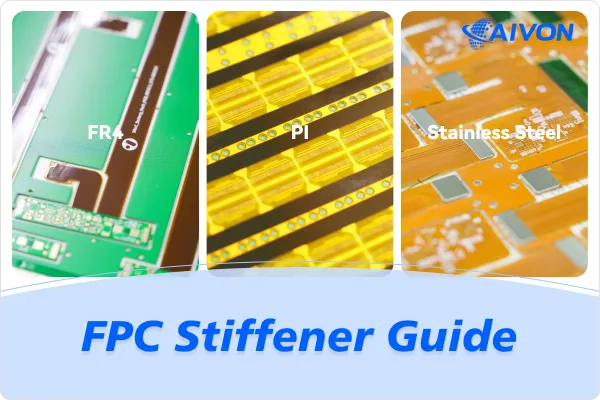
FPC Stiffener Guide: FR4, PI, Stainless Steel Comparison
How to Design FPC Board Outline for Laser Cutting and Routing?
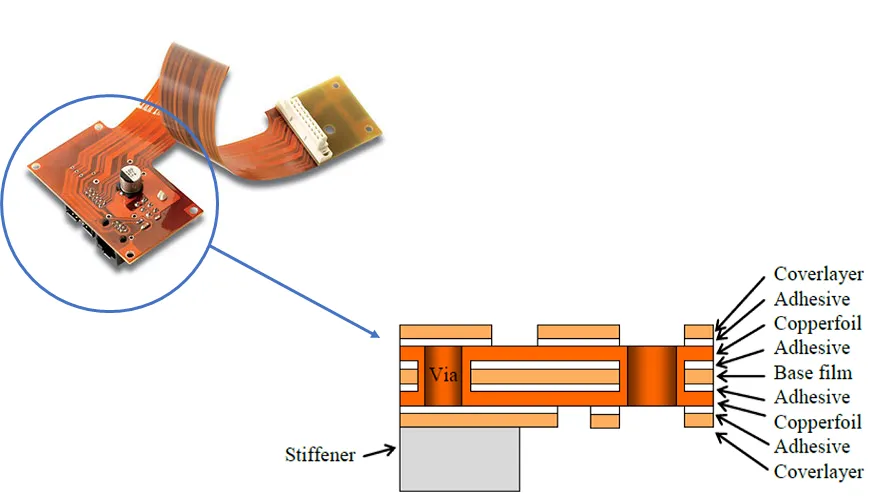
Why Should High Temperature Adhesive Be Used for FPC Reinforcement?
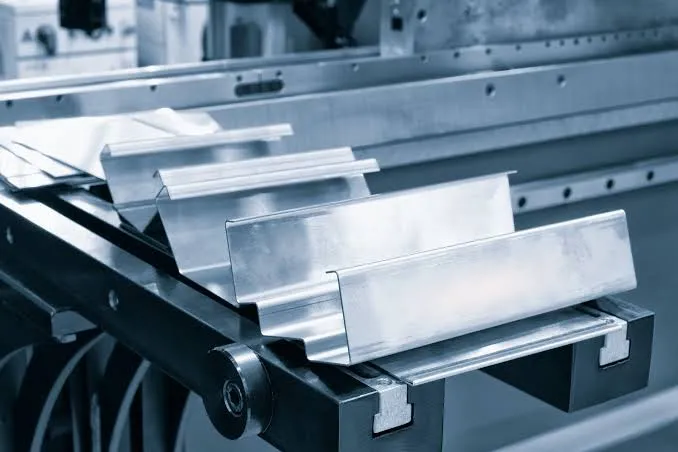
Sheet Metal Fabrication Process Explained: From Design to Finished Parts
10 Common Sheet Metal Manufacturing Mistakes That Increase Costs
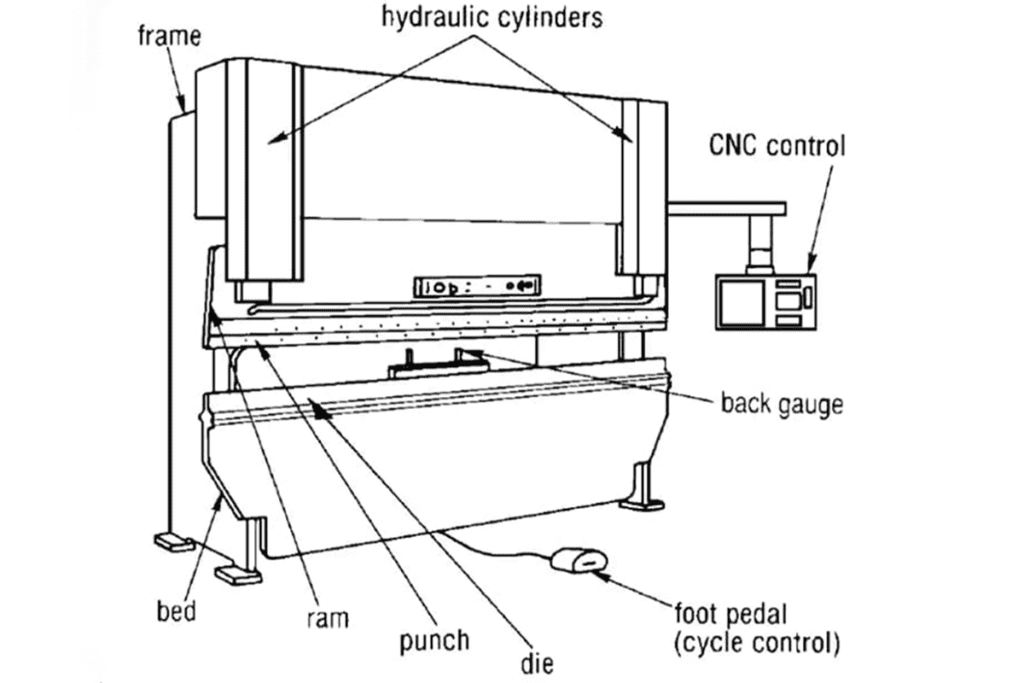
How Sheet Metal Bending Accuracy Is Controlled: Factors and Best Practices
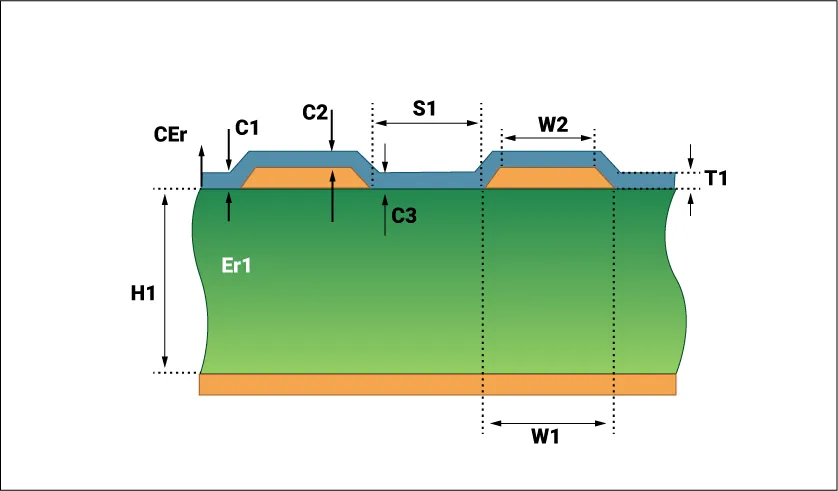
Flexible PCB Impedance Control: Design Challenges and Solutions
From Concept to Prototype: A Step by Step Guide to Polyimide PCB Manufacturing
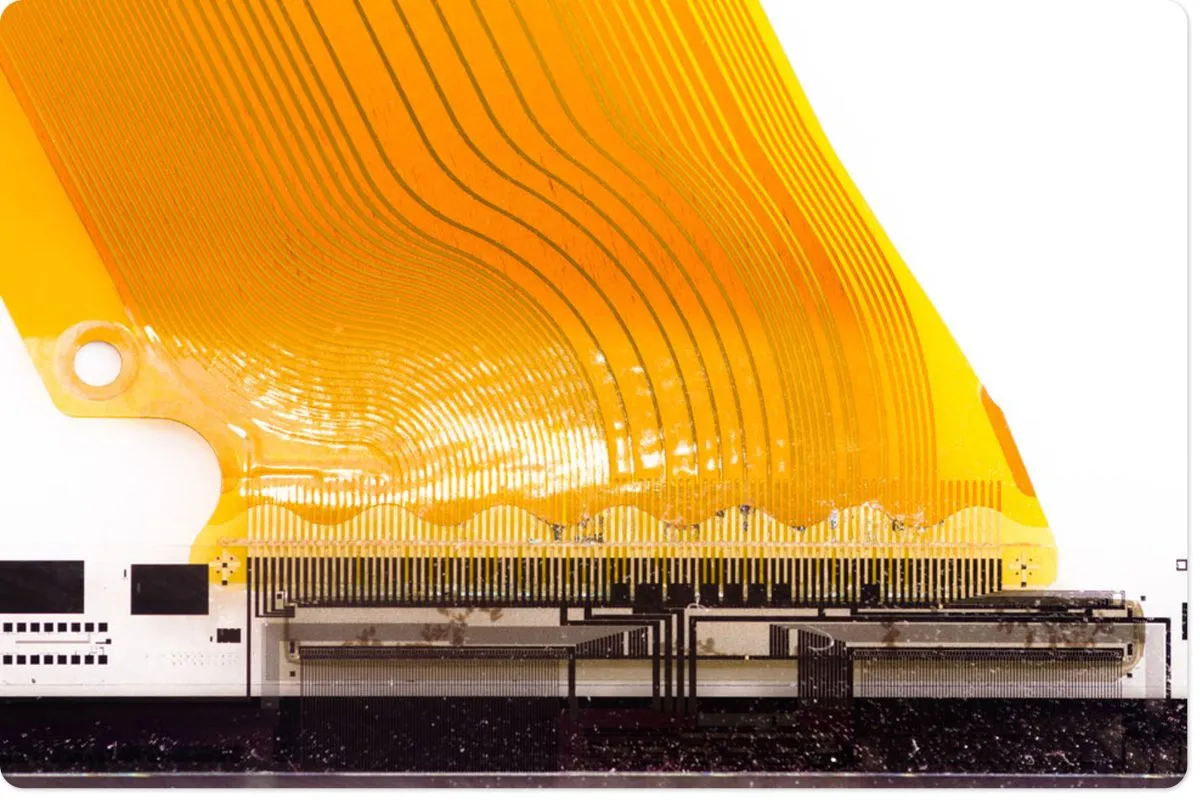
Understanding the Properties That Make Polyimide PCBs Unique
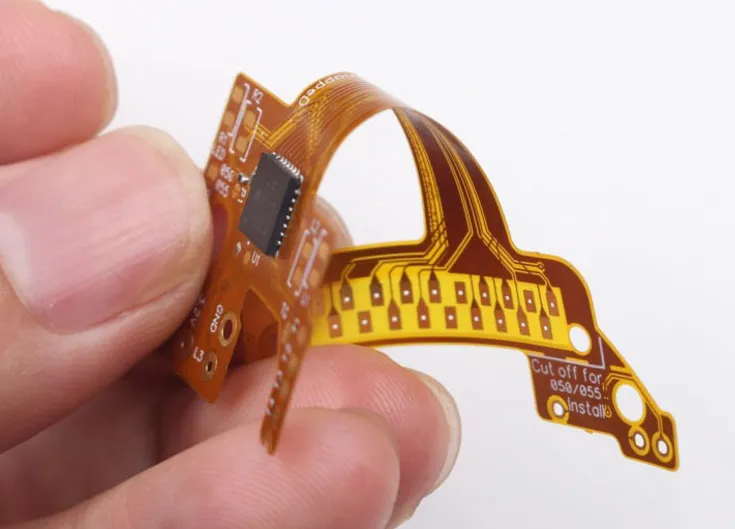
DIY Flexible PCBs: A Hobbyist's Guide to Creating Bendable Circuits at Home

Flexible Future: Using Flex PCBs in VR Headset Design
How to Prevent Engineering Queries in 2-Layer Flexible PCB Design