Polyimide PCBs
Polyimide PCBs represent a specialized category of printed circuit boards engineered for demanding environments where flexibility, thermal stability, and durability are paramount. These boards utilize polyimide as the base material, a high-performance polymer known for its exceptional resistance to extreme temperatures, chemicals, and mechanical stress. Unlike traditional rigid PCBs made from materials like FR-4, polyimide variants offer superior flexibility, making them ideal for applications requiring bending, folding, or operation in harsh conditions without compromising electrical performance. For engineers and designers searching for Polyimide PCBs, this tag serves as a comprehensive resource highlighting their unique advantages in industries such as aerospace, automotive, and consumer electronics. Key benefits include the ability to withstand temperatures up to 400°C, low dielectric constants for high-speed signal integrity, and lightweight construction that enhances portability in devices like wearables and medical implants. Practical applications range from flexible interconnects in satellites to robust circuitry in automotive sensors exposed to vibration and heat. Understanding these attributes can guide material selection, ensuring reliability in prototypes and production runs. When implementing Polyimide PCBs, best practices involve careful layer stacking to optimize signal routing, selecting appropriate adhesives for multilayer designs, and employing advanced fabrication techniques like laser drilling for precise vias. These approaches minimize issues such as delamination or signal loss, leading to more efficient designs. For deeper insights, the articles linked under this tag delve into case studies, manufacturing processes, and comparison guides, providing valuable tools to refine your projects and stay ahead in electronics innovation.
Technical Articles
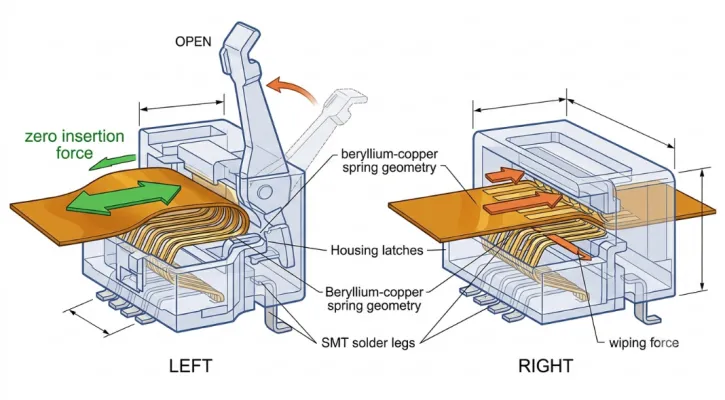
How Should FPC Be Designed for Connector Insertion Reliability?
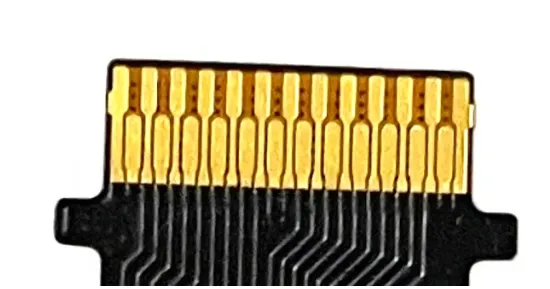
Why Do FPC Gold Fingers Wear Out During Repeated Insertion?
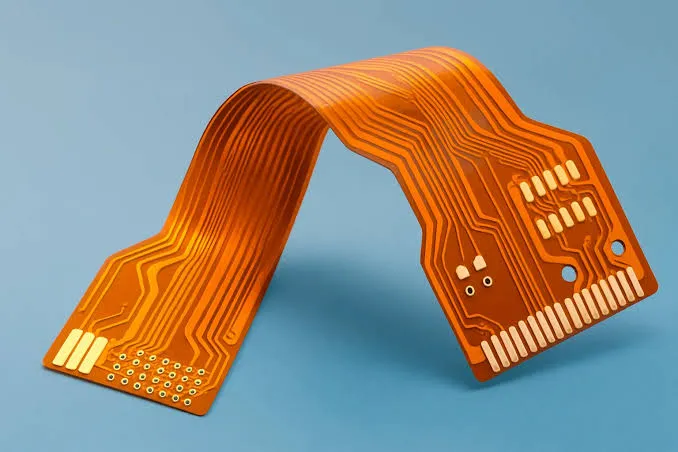
Why Do FPC Boards Have Short Circuits Between Traces?
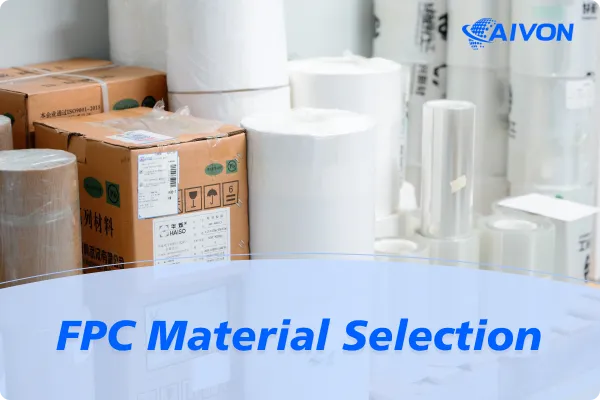
Flexible PCB Material Selection Guide: PI vs PET vs Adhesiveless Base Materials
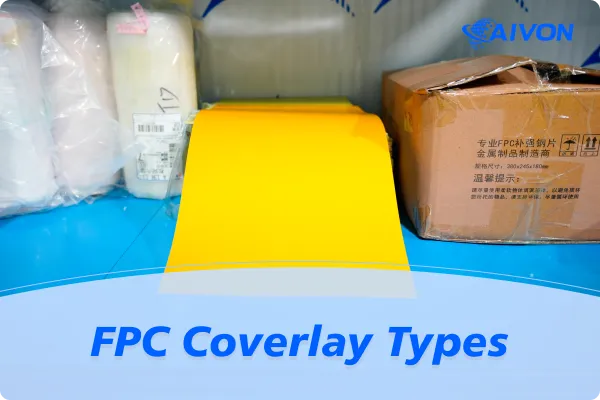
FPC Coverlay: Types, Materials, Application and Processing
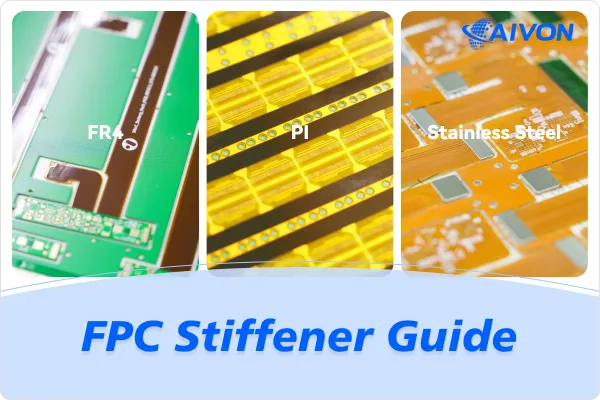
FPC Stiffener Guide: FR4, PI, Stainless Steel Comparison
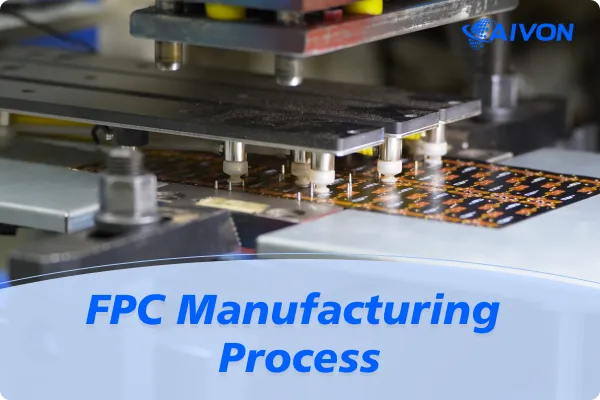
FPC Manufacturing Process Flow: Step-by-Step
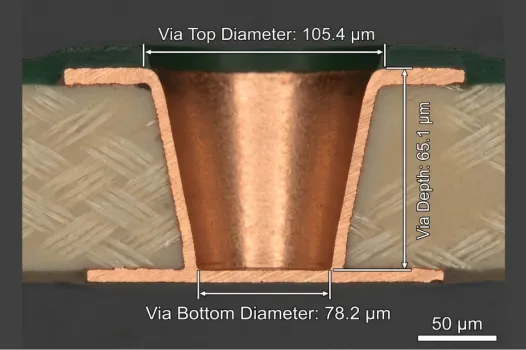
What Is the Minimum Hole Size for FPC Laser Drilling?
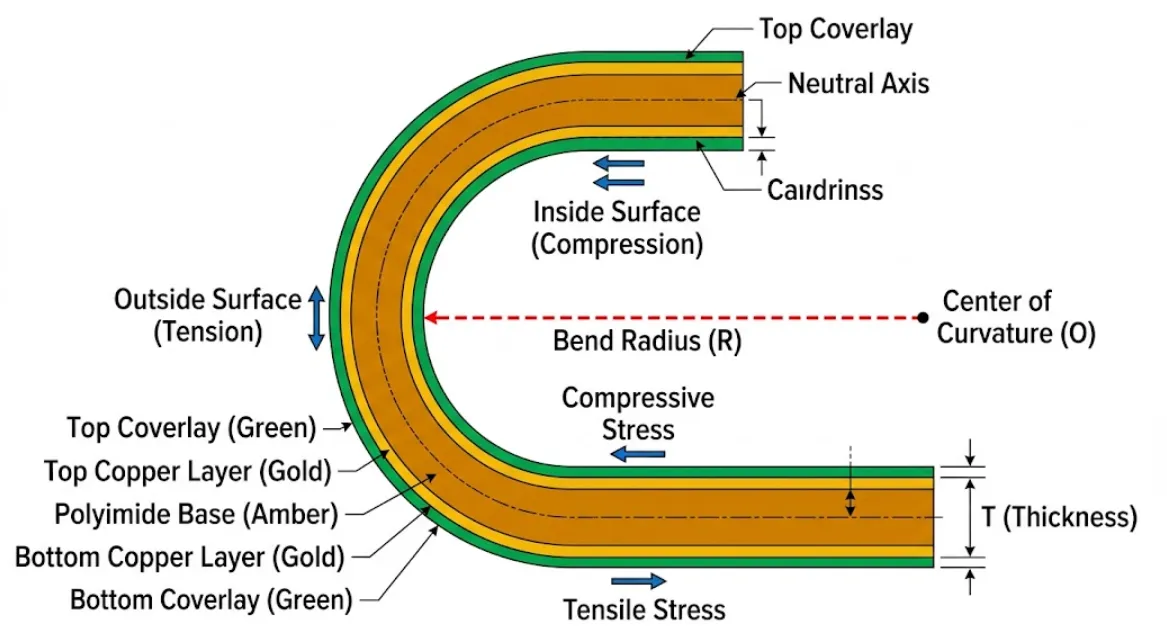
How to Design FPC Board Outline for Laser Cutting and Routing?
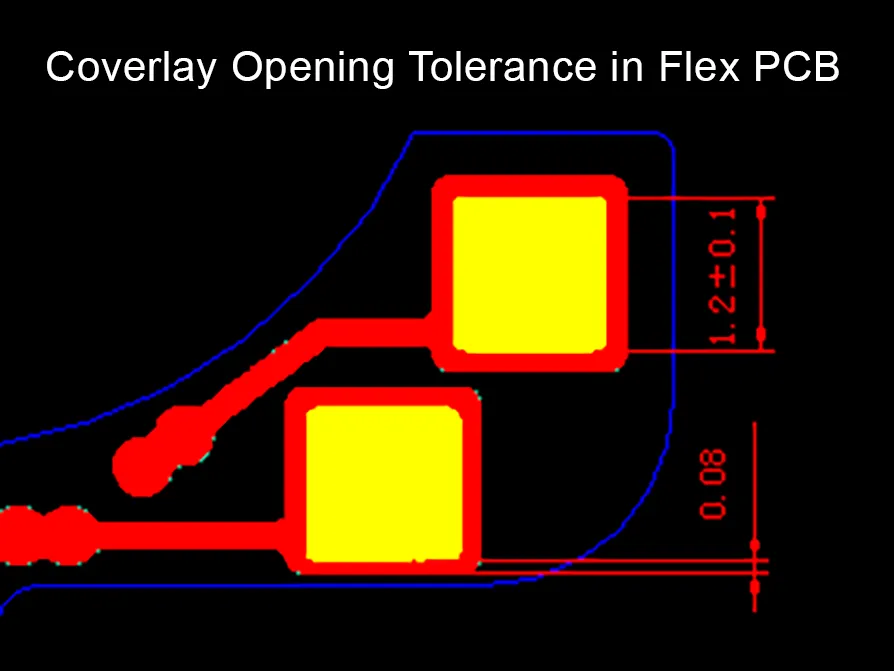
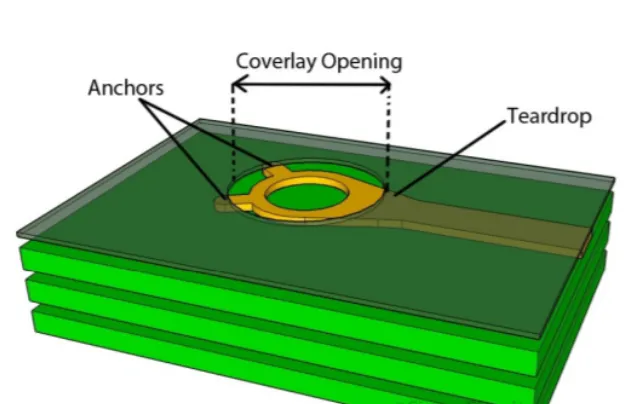
Why Are FPC Coverlay Openings Not Always Designed at 1:1 Size?
How to Design FPC Adhesive Tape Areas for Reliable Assembly?
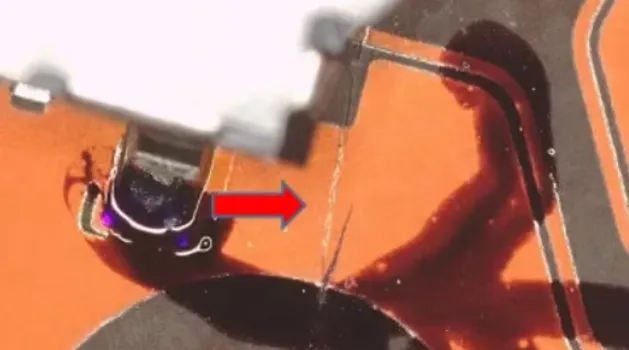
Why Should FPC Copper Areas Avoid Being Too Close to Board Edges?
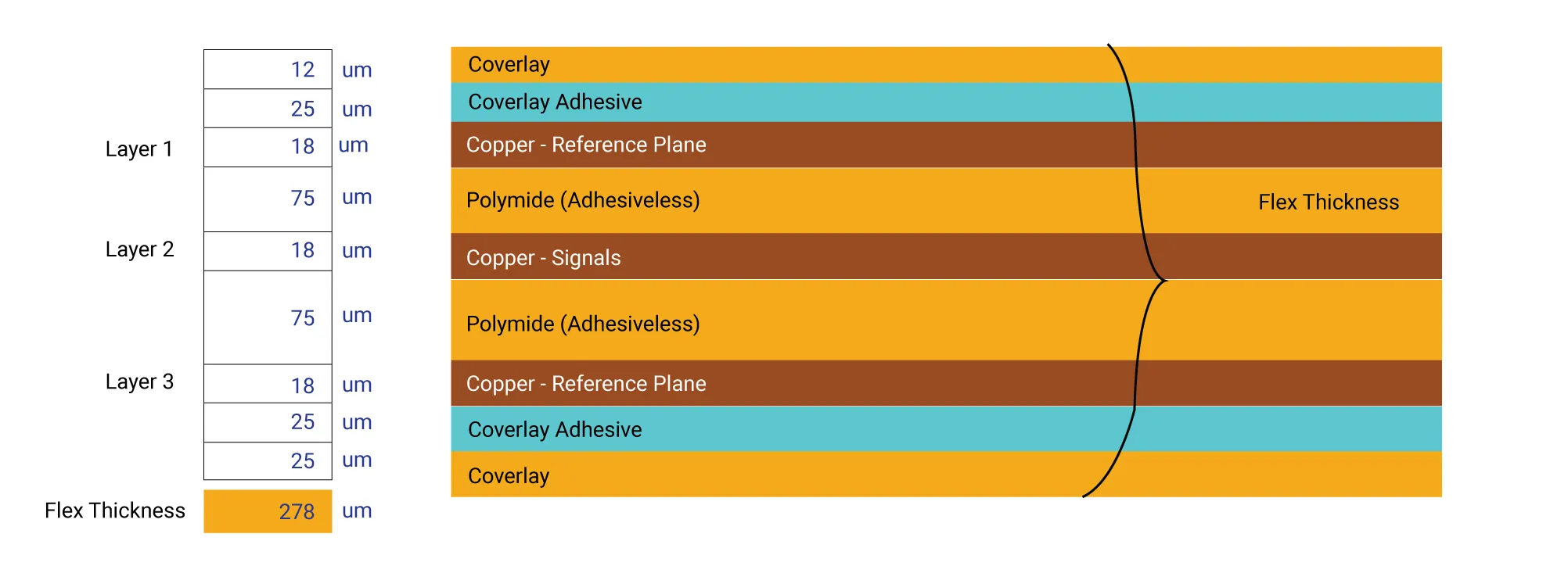
Why Does FPC Impedance Control Fail During Manufacturing?
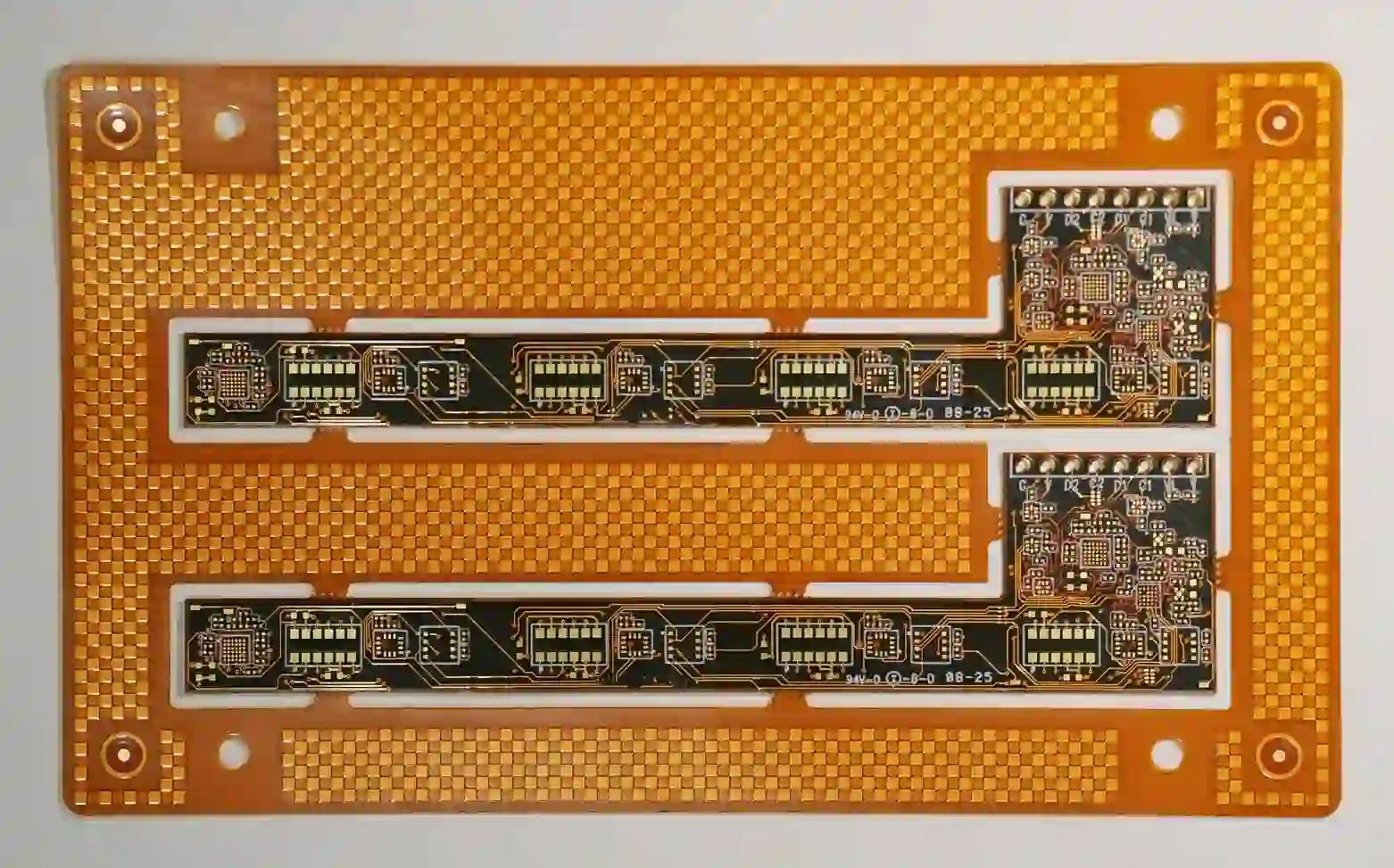
Why Do FPC Boards Shrink After Lamination?
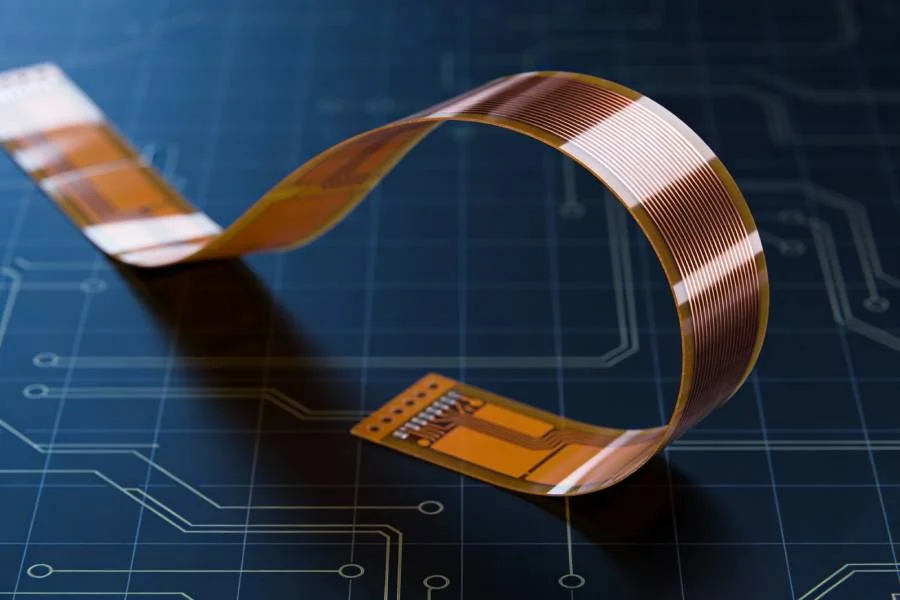
How Should FPC Be Designed for High Temperature Applications?
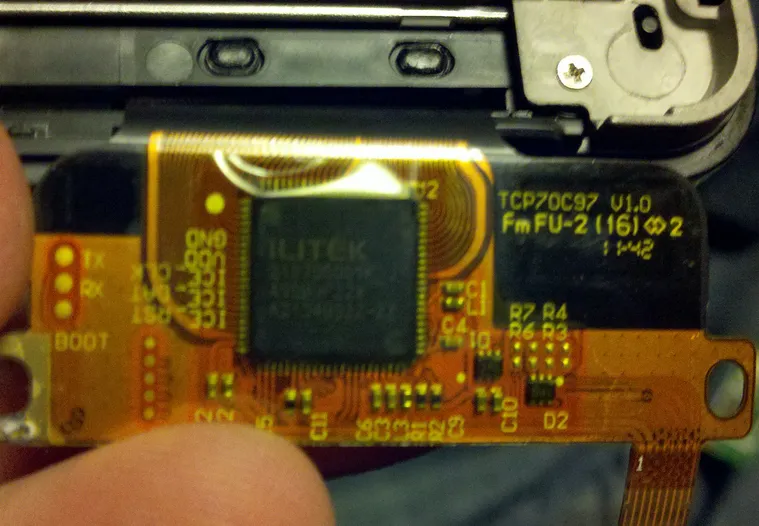
Can Flexible PCB Be Used in Moisture or Humid Environments?
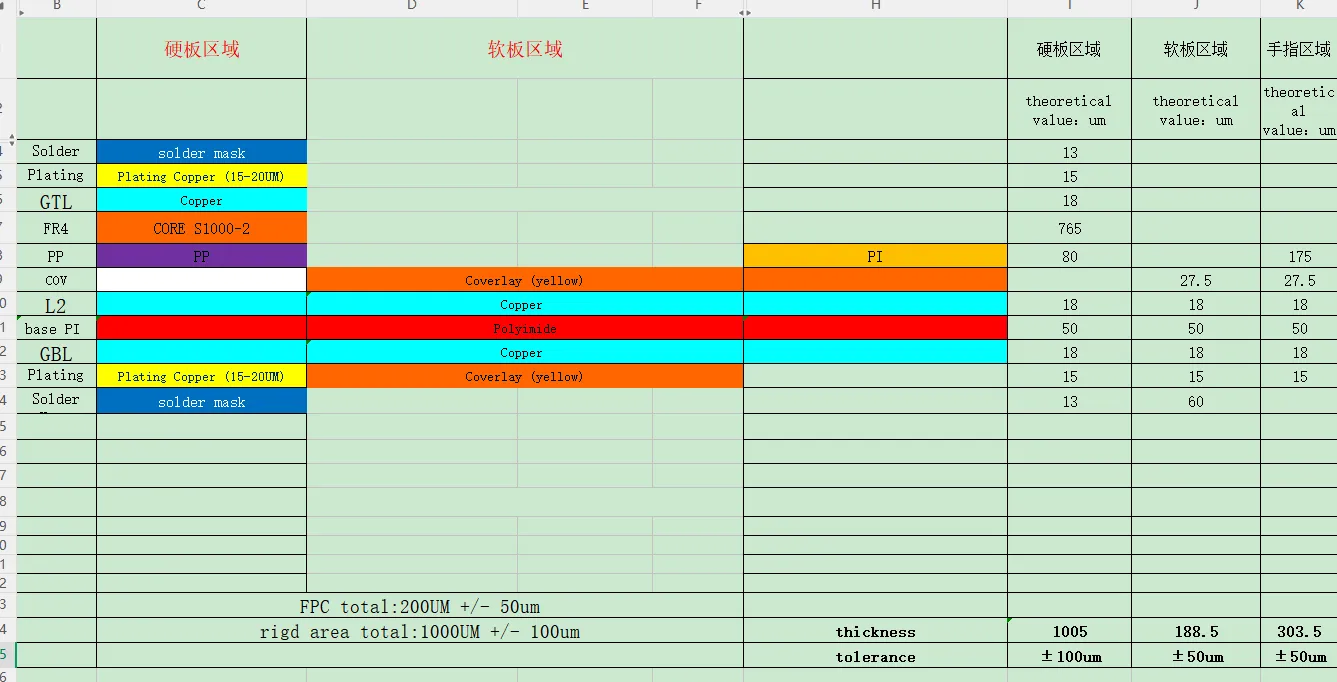
Rigid-Flex PCB Stackup Design: Balancing for Warpage Control
Complete Guide to FPC Materials and Flexible PCB Manufacturing