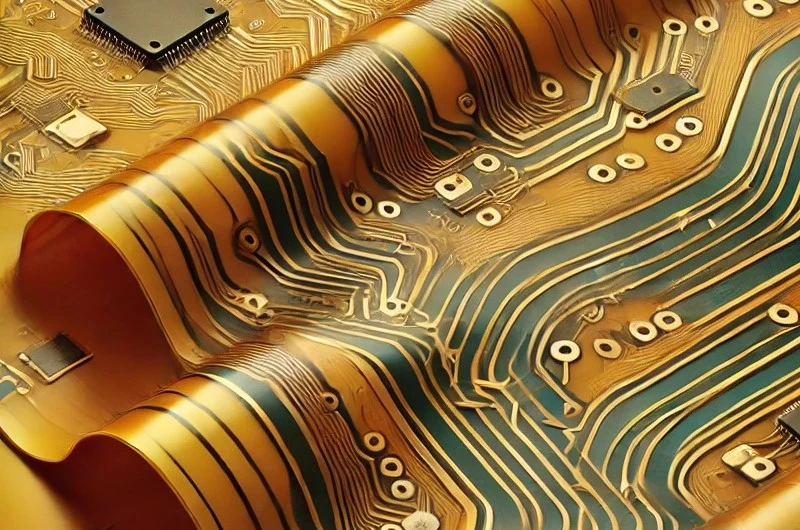
Polyimide PCBs
Polyimide PCBs represent a specialized category of printed circuit boards engineered for demanding environments where flexibility, thermal stability, and durability are paramount. These boards utilize polyimide as the base material, a high-performance polymer known for its exceptional resistance to extreme temperatures, chemicals, and mechanical stress. Unlike traditional rigid PCBs made from materials like FR-4, polyimide variants offer superior flexibility, making them ideal for applications requiring bending, folding, or operation in harsh conditions without compromising electrical performance. For engineers and designers searching for Polyimide PCBs, this tag serves as a comprehensive resource highlighting their unique advantages in industries such as aerospace, automotive, and consumer electronics. Key benefits include the ability to withstand temperatures up to 400°C, low dielectric constants for high-speed signal integrity, and lightweight construction that enhances portability in devices like wearables and medical implants. Practical applications range from flexible interconnects in satellites to robust circuitry in automotive sensors exposed to vibration and heat. Understanding these attributes can guide material selection, ensuring reliability in prototypes and production runs. When implementing Polyimide PCBs, best practices involve careful layer stacking to optimize signal routing, selecting appropriate adhesives for multilayer designs, and employing advanced fabrication techniques like laser drilling for precise vias. These approaches minimize issues such as delamination or signal loss, leading to more efficient designs. For deeper insights, the articles linked under this tag delve into case studies, manufacturing processes, and comparison guides, providing valuable tools to refine your projects and stay ahead in electronics innovation.
Technical Articles

Pressure Sensors in Robotics: Tactile Sensing, Proprioception, and Flexible PCB Integration
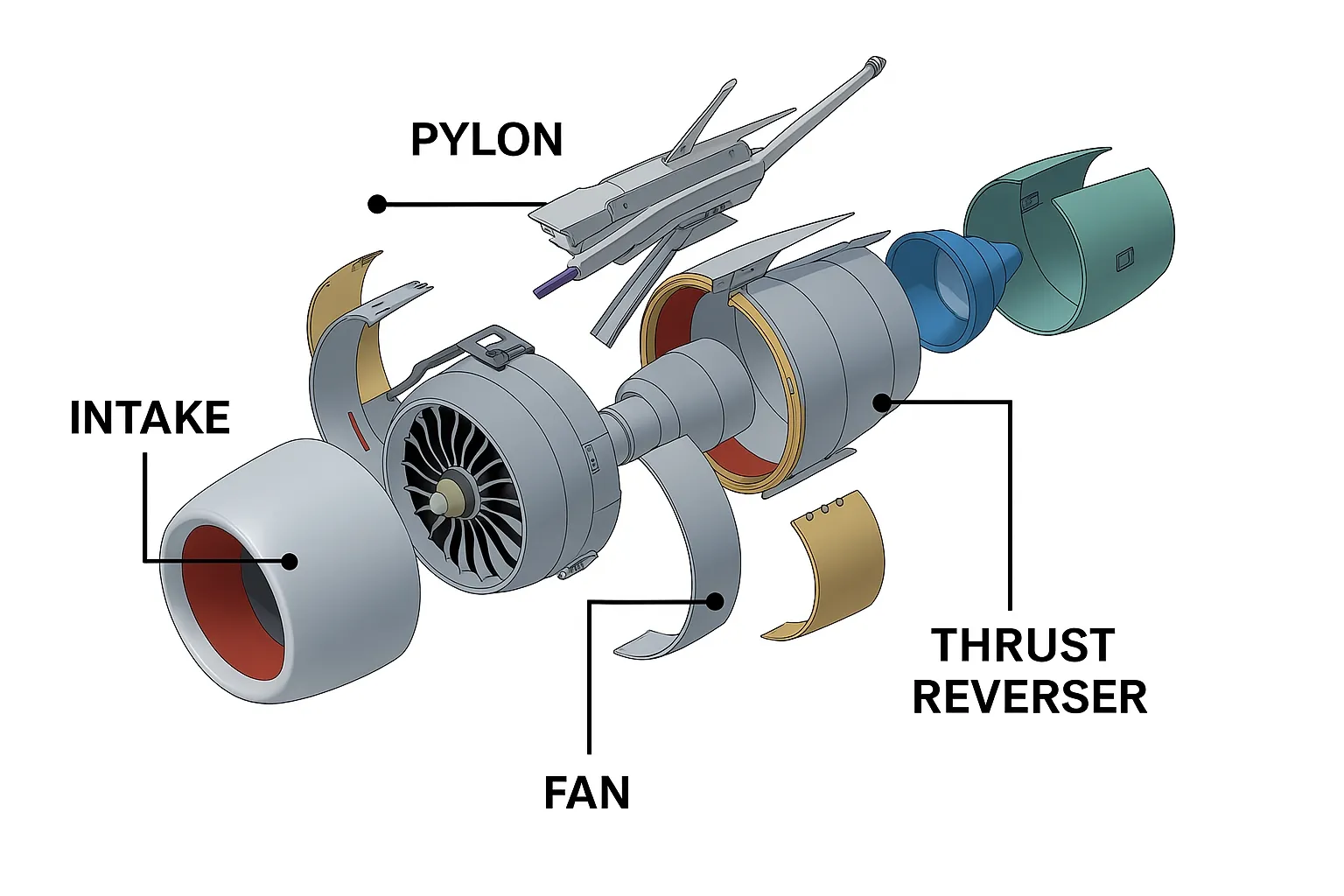
Thermoplastic Composites for Aircraft Engine Structures
Overview of PLC Ethernet Open Communication
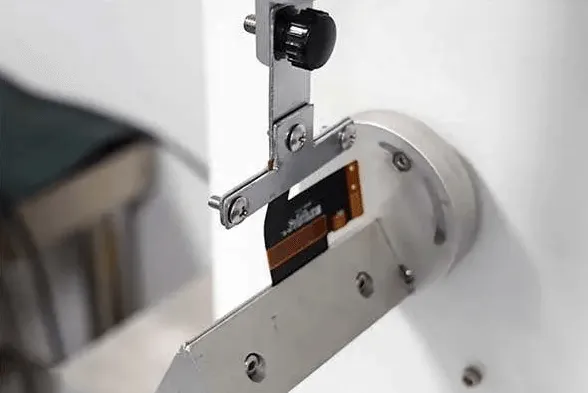
Core Thickness and PCB Flexibility: Designing Circuits That Bend Without Breaking
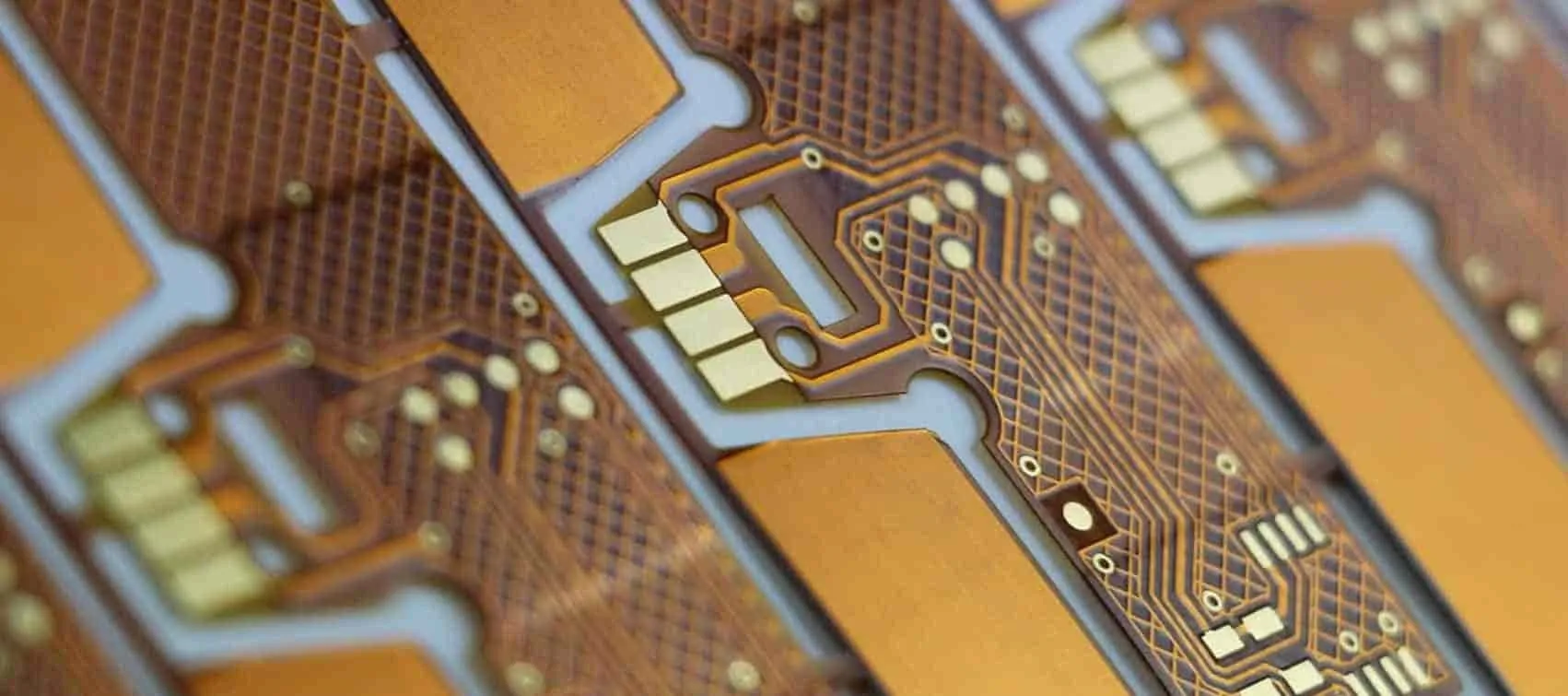
Beyond FR 4: Exploring the Superior Thermal Performance of Polyimide PCBs for High Temperature Applications
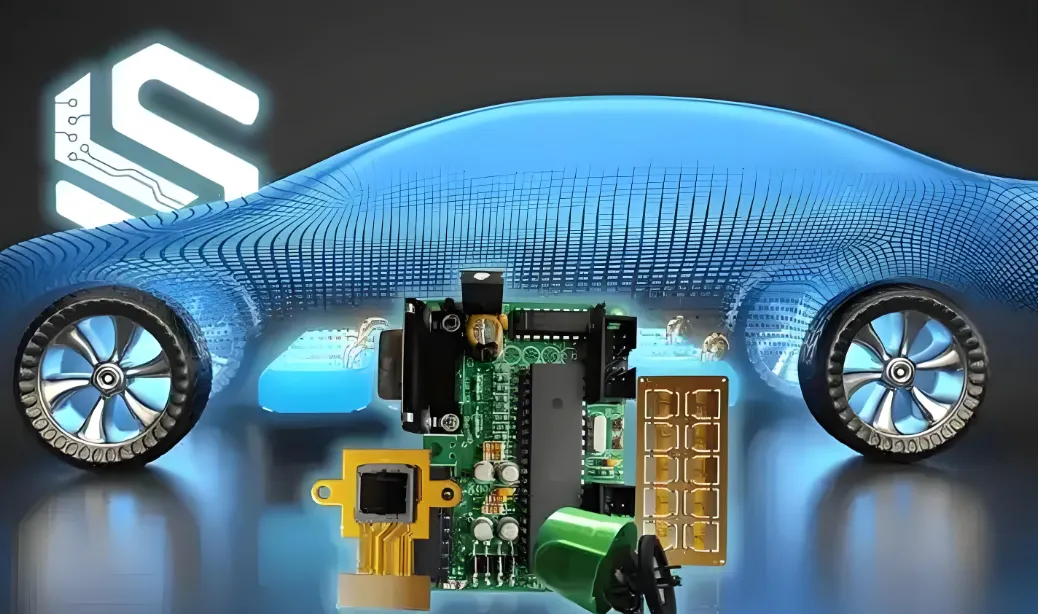
What type of industries and applications are suited for Flex to Install PCBs?
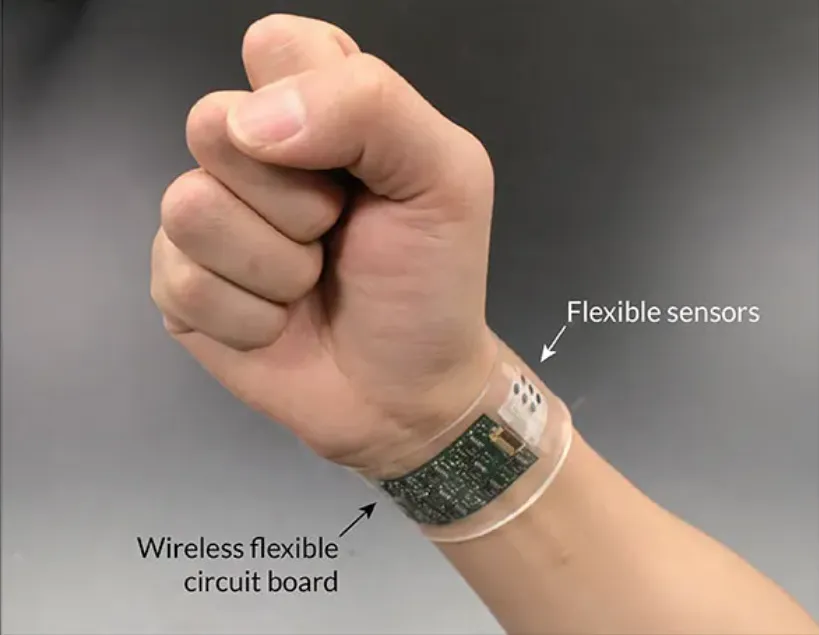
Improving Reliability of Flexible PCBs in Medical Wearables
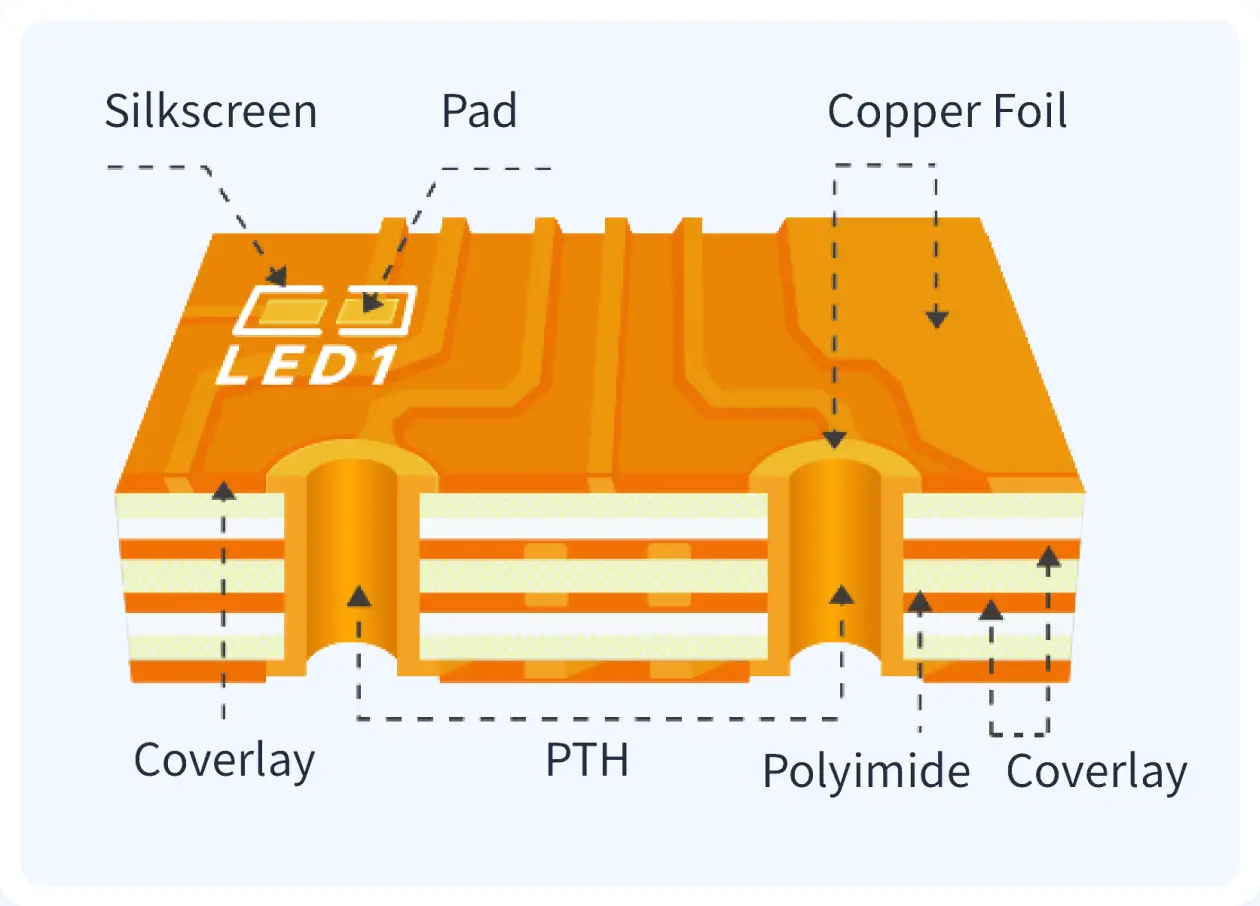
Flexible PCB Design for Extreme Temperatures: Material Selection and Reliability
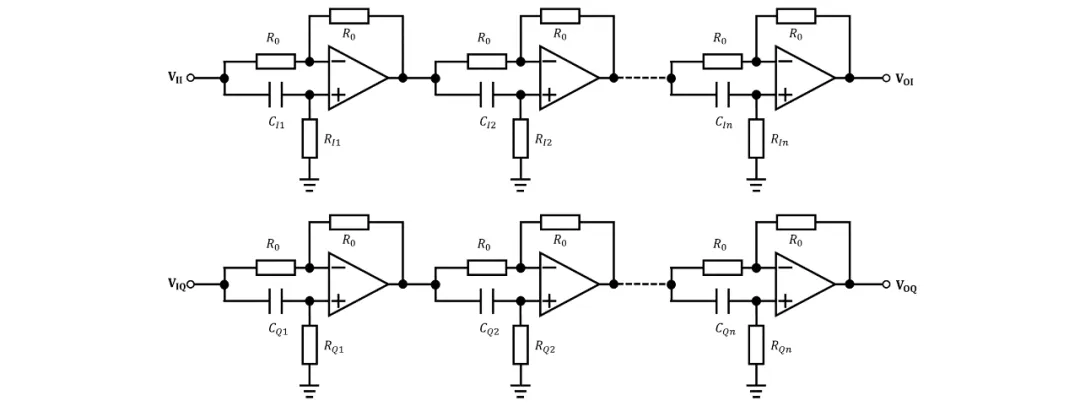
Passive Analog Filters: Two 90° Phase-Shift Networks
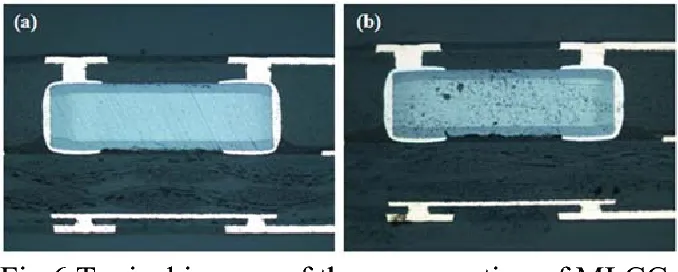
Embedded Components in Flexible Circuits: Design Considerations and Applications
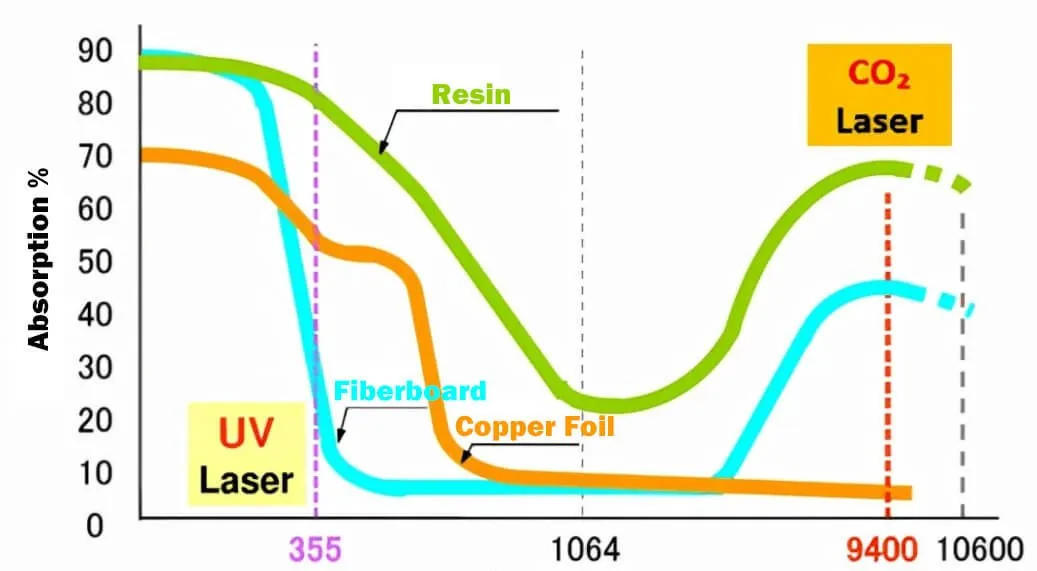
PCB Laser Drilling: Materials, Techniques, and Equipment
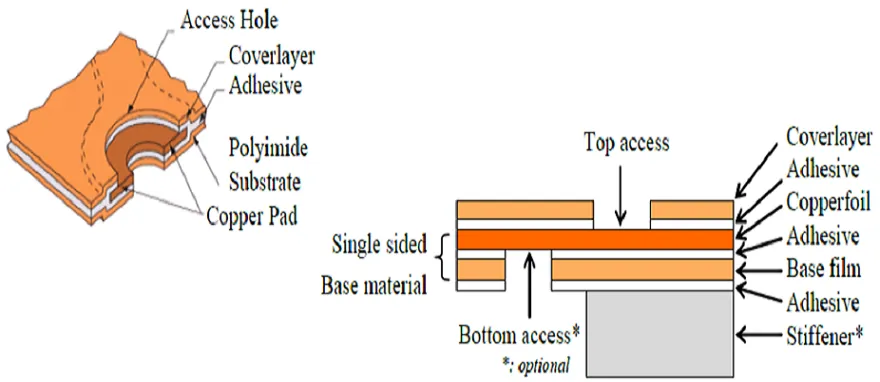
Polyimide PCB Thermal Vias: Enhancing Heat Dissipation in Flexible Designs
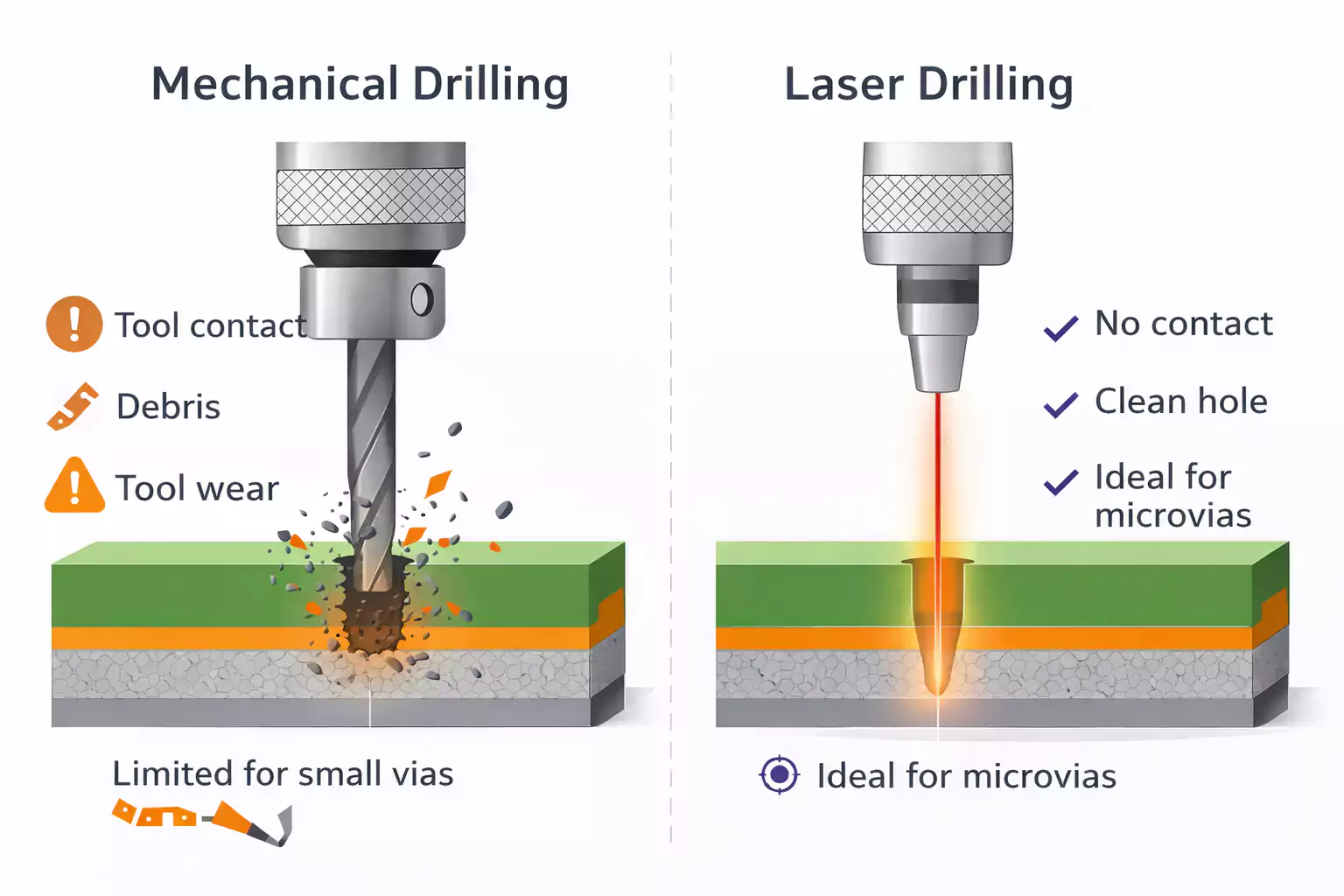
Advanced Drilling Techniques for Polyimide PCBs: Ensuring Precision and Quality
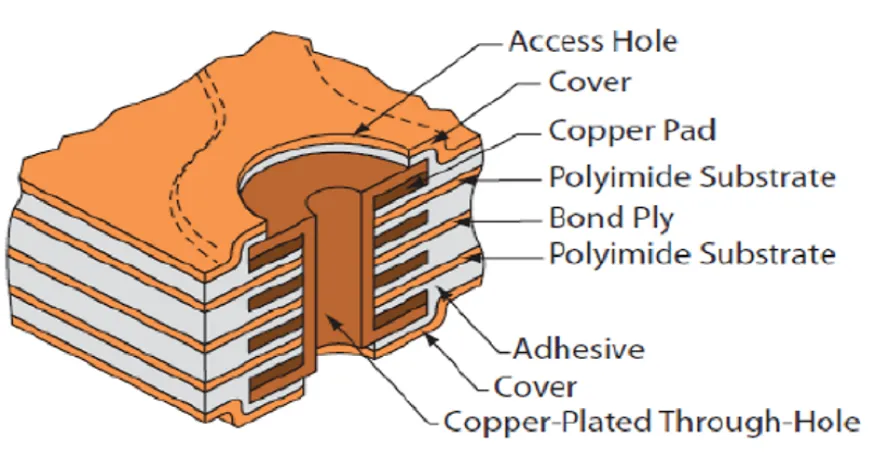
The Impact of Moisture on Polyimide PCBs: Prevention and Mitigation Strategies
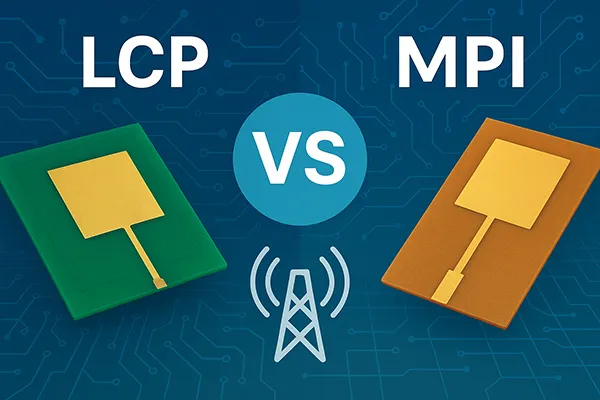
5G Antenna Materials: LCP vs MPI Characteristics
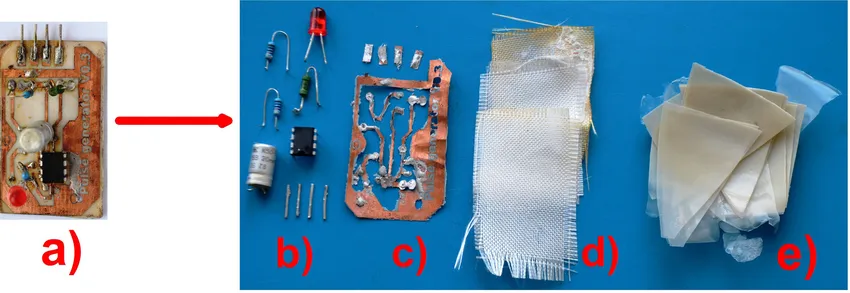
The Future of PCBs: Exploring Polylactic Acid (PLA) as a Sustainable Substrate

PCB Mass Production for Medical Devices: Ensuring Safety and Reliability
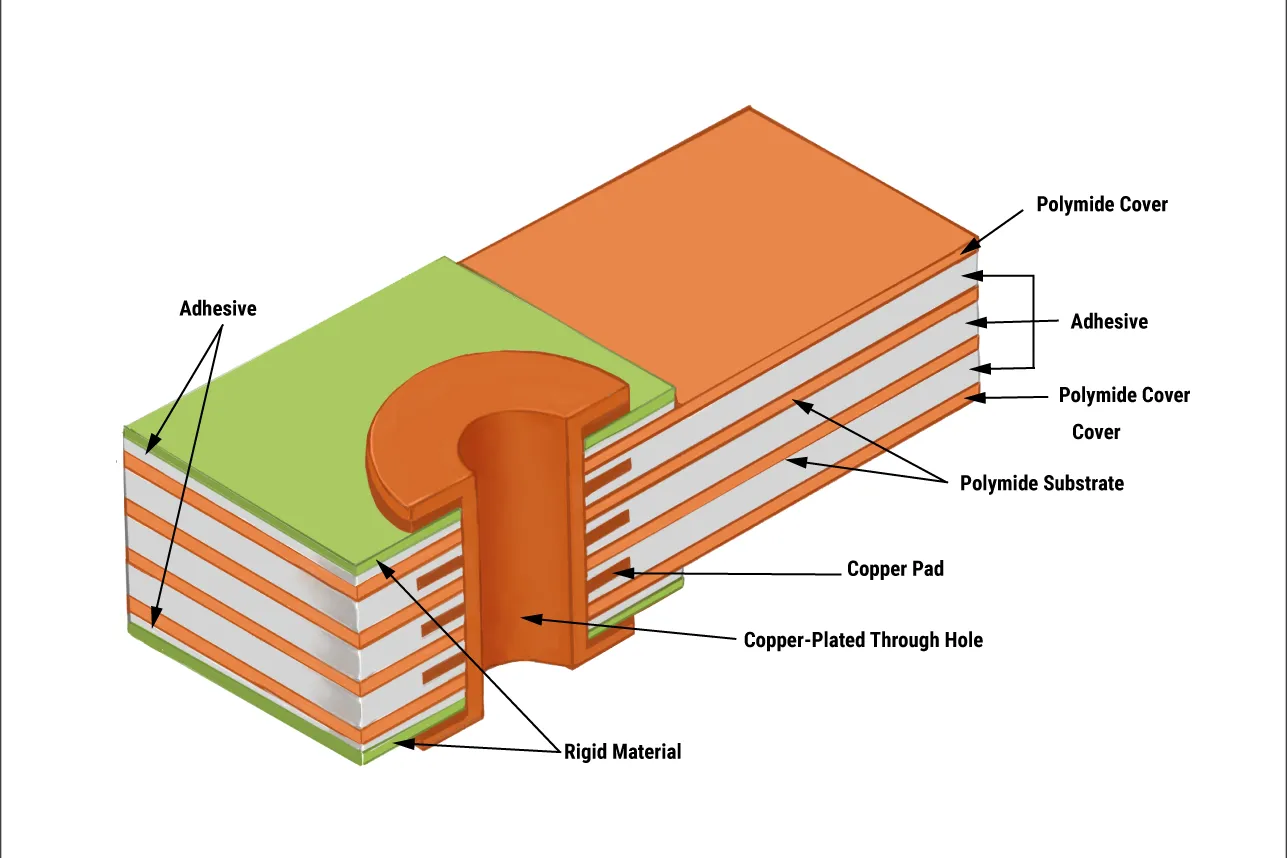
Beyond FR 4: Exploring Advanced Substrates for Rigid Flex PCB Assembly