 00:47
00:47
PCB Surface Finish
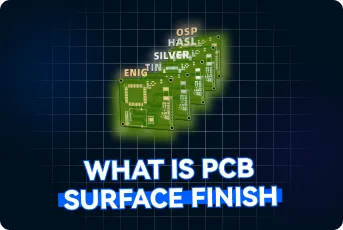
PCB surface finish plays a critical role in the performance, reliability, and manufacturability of printed circuit boards, serving as the protective layer that prevents oxidation, enhances solderability, and ensures long-term durability. For engineers, designers, and manufacturers searching for information on PCB surface finish, this tag aggregates a collection of in-depth articles that explore various types, including HASL, ENIG, OSP, immersion silver, and immersion tin. Understanding these options is essential for selecting the right finish based on factors like environmental conditions, assembly processes, and cost constraints, ultimately helping to avoid common issues such as poor solder joints or corrosion in high-humidity environments. In practical applications, choosing the appropriate PCB surface finish can significantly impact product lifecycle and compliance with industry standards like IPC or RoHS. For instance, ENIG offers excellent flatness and gold wire bonding compatibility, making it ideal for fine-pitch components in consumer electronics, while OSP provides a cost-effective, eco-friendly alternative for simpler designs. Best practices include evaluating shelf life, thermal resistance, and compatibility with lead-free soldering, as well as conducting thorough testing to mitigate risks like black pad defects in ENIG processes. By delving into these topics, users can gain actionable insights to optimize their PCB designs, reduce failure rates, and streamline production workflows. This tag serves as a comprehensive resource for both beginners and seasoned professionals, offering guidance on emerging trends such as lead-free finishes and advanced surface treatments for high-frequency applications. Readers interested in specific comparisons or case studies will find related articles that provide detailed analyses and real-world examples to inform their decisions.
Video Guide
Technical Articles

4-Layer FR-4 TG170 PCB Case Study: Copper Overhang, Panelization & Legend Sizing Challenges During CAM Review
Salt Spray Testing for Sheet Metal Corrosion Resistance: Standards Explained
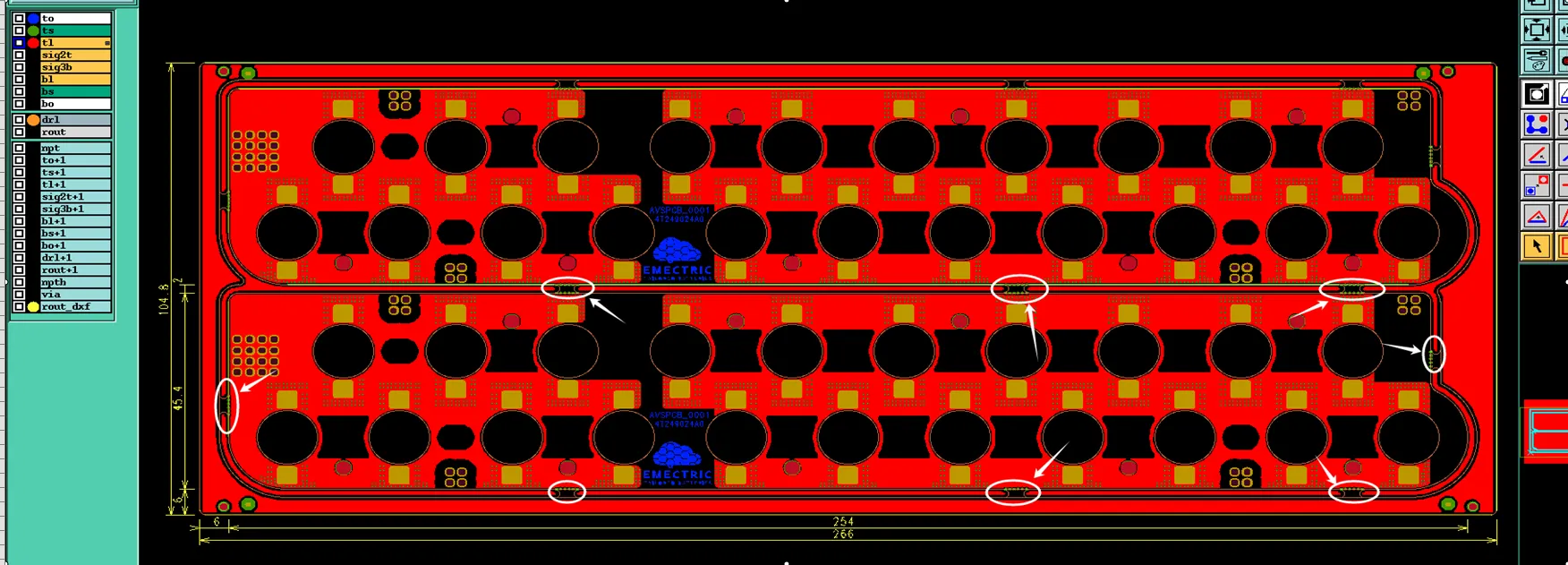
PCB Press-Fit Hole Design Rules for Heavy Copper Boards
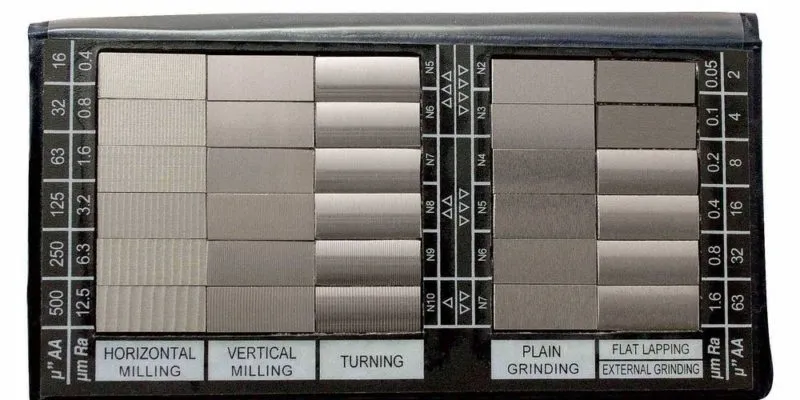
Sheet Metal Surface Finish Standards: A Guide for Engineers

How Surface Treatment Improves Corrosion Resistance of Sheet Metal Parts
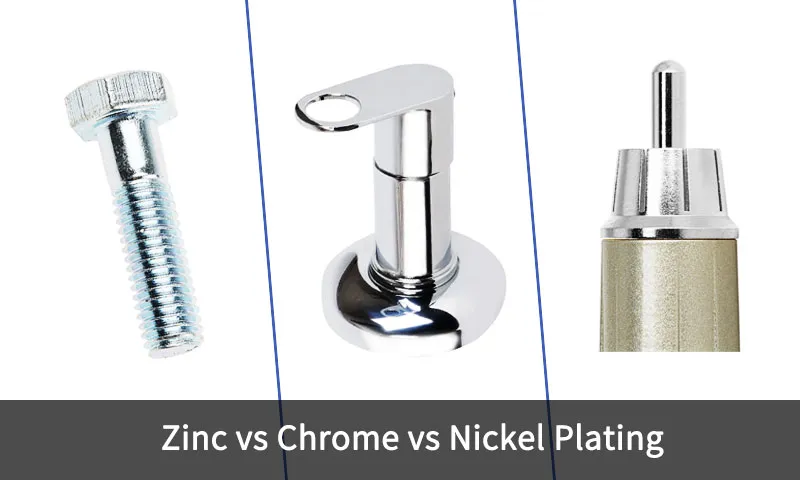
Sheet Metal Plating Options: Zinc, Nickel and Chrome Finishes Explained
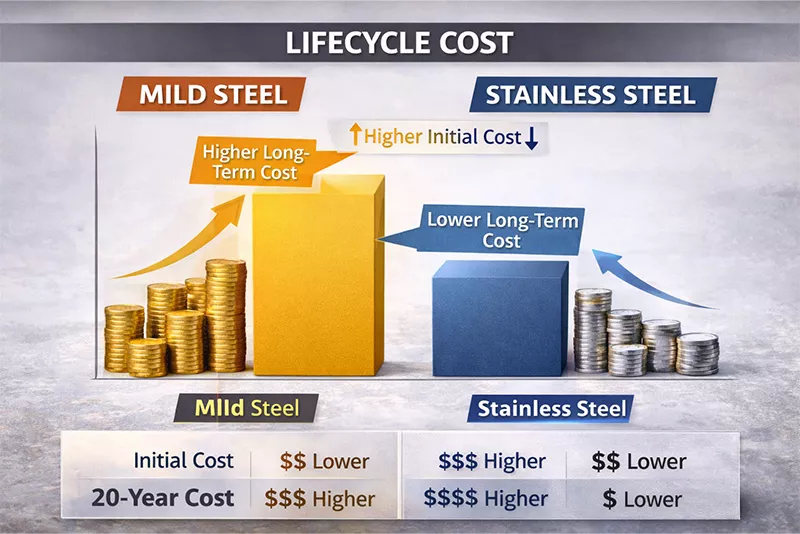
Mild Steel vs Stainless Steel Sheet Metal: Which Is Better?
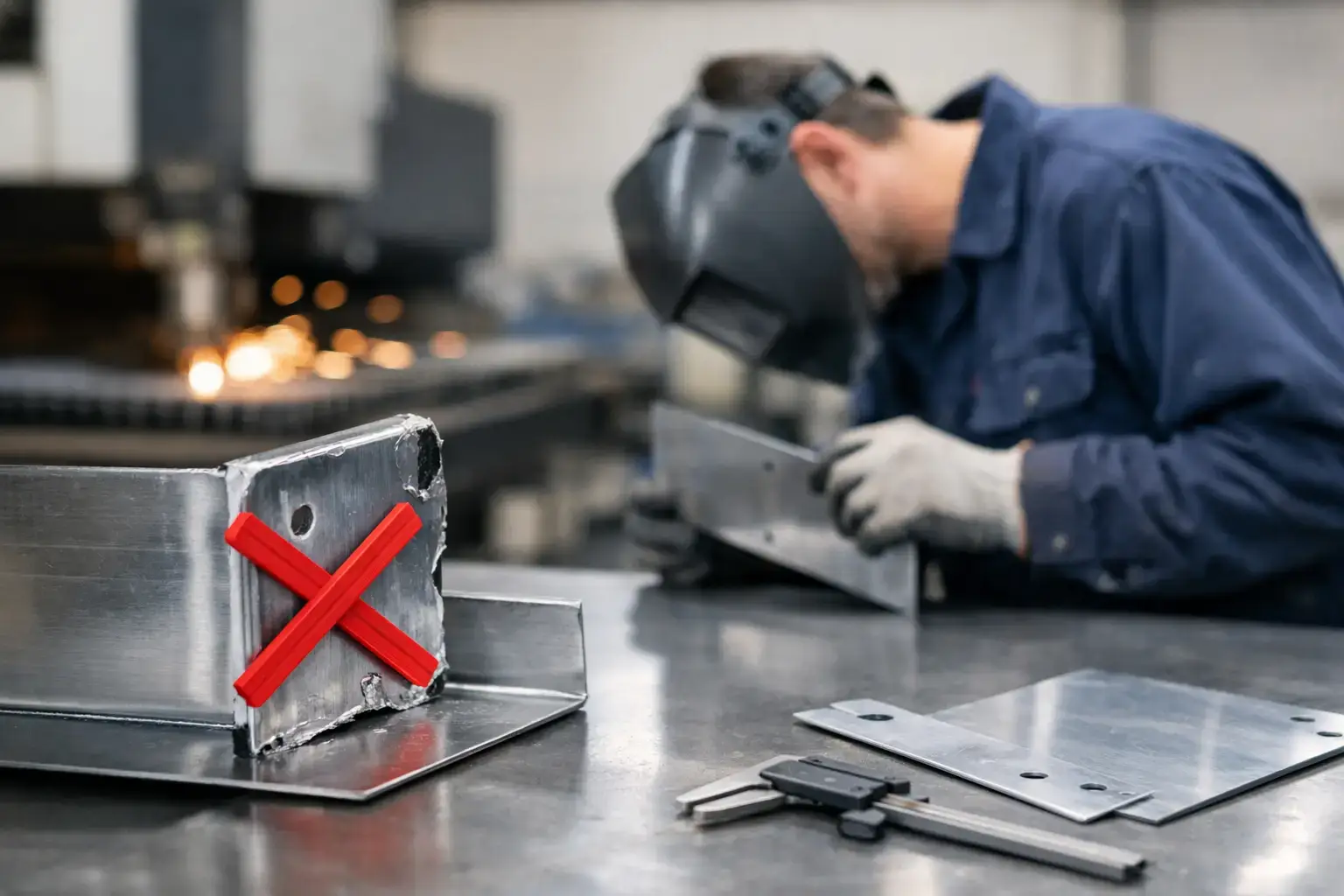
7 Common Surface Finish Mistakes in Sheet Metal Fabrication
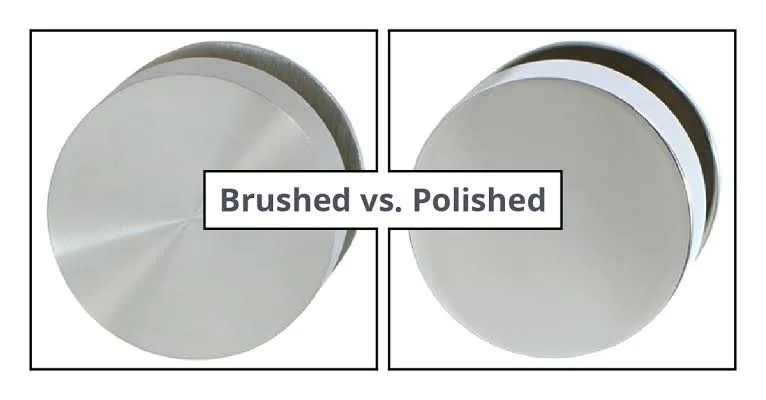
Brushed vs Polished Metal Finish: How to Choose the Right Surface Finish
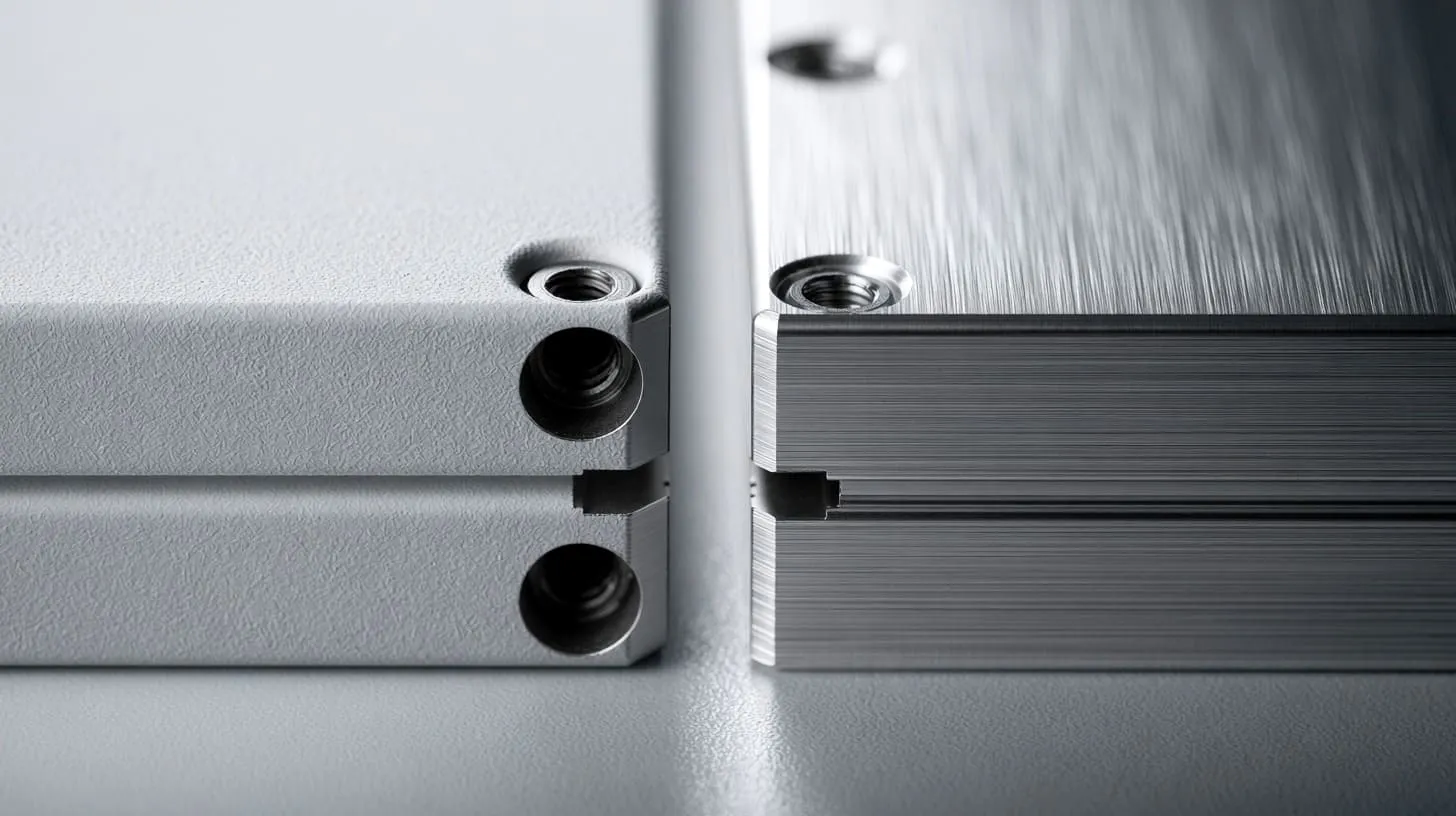
Powder Coating vs Anodizing for Sheet Metal Parts: Which Finish Is Better?
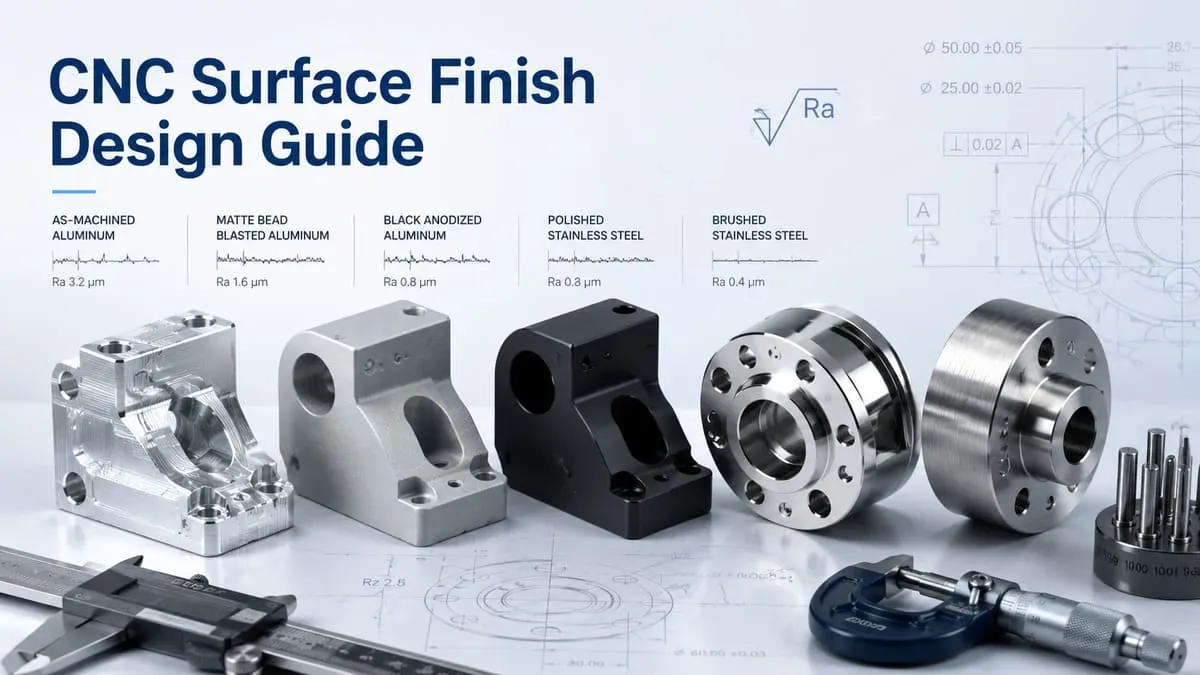
How to Choose the Right Surface Finish for CNC Parts
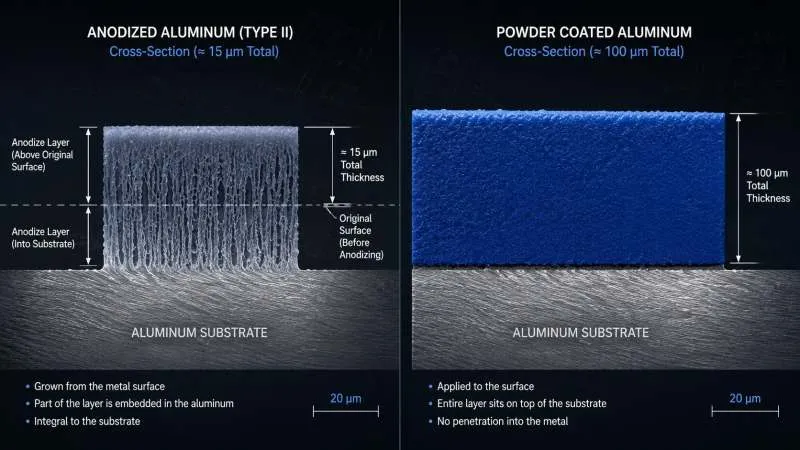
Anodizing vs Powder Coating for CNC Parts: Which Finish Should You Choose?
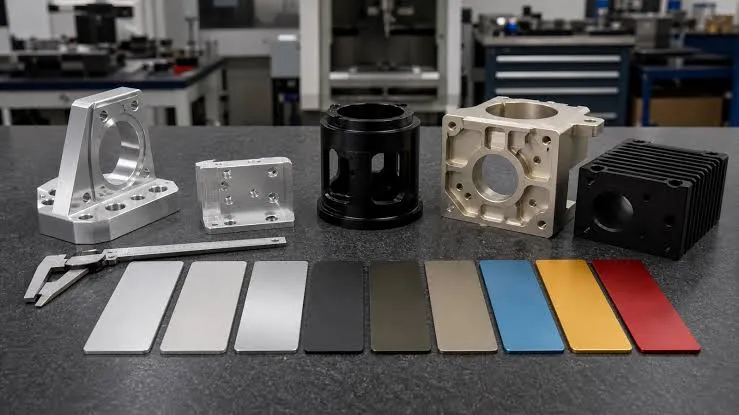
Type II vs Type III Anodizing: What's the Difference?
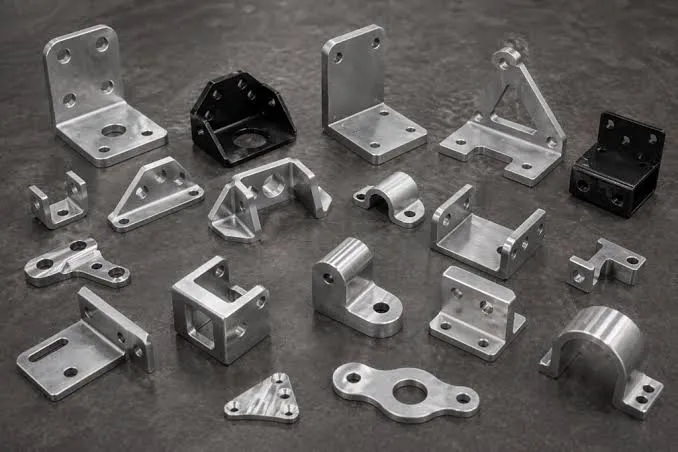
CNC Surface Finish Options Guide: Anodizing, Brushing, Sand Blasting and More
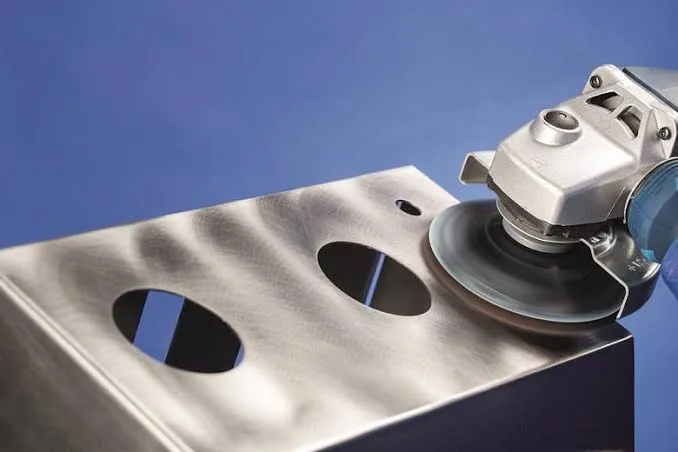
Sheet Metal Surface Finishing Guide for Electronic Products
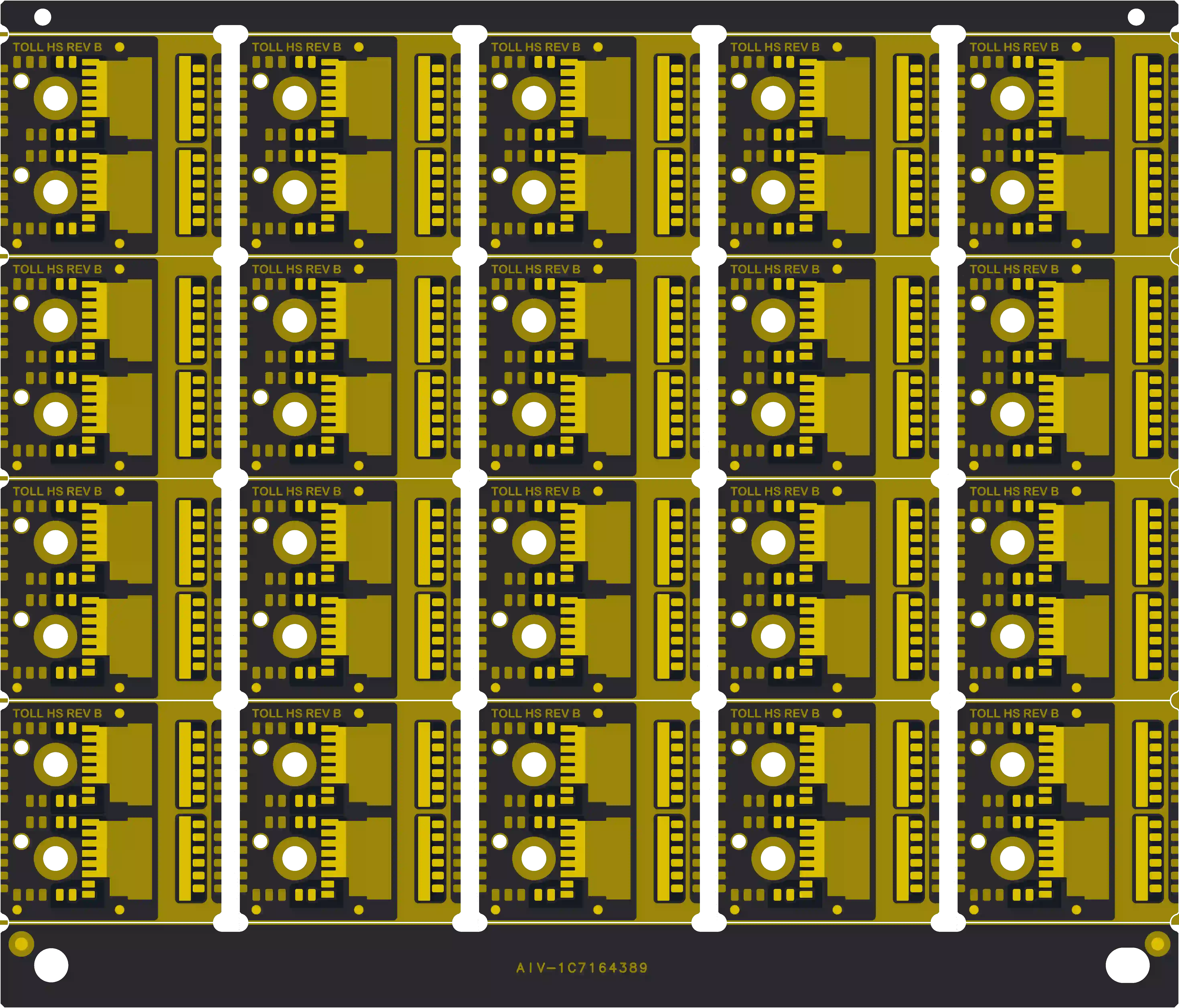
Stackup and Gold Thickness Limits in Thermoelectric Separation Copper Base PCBs
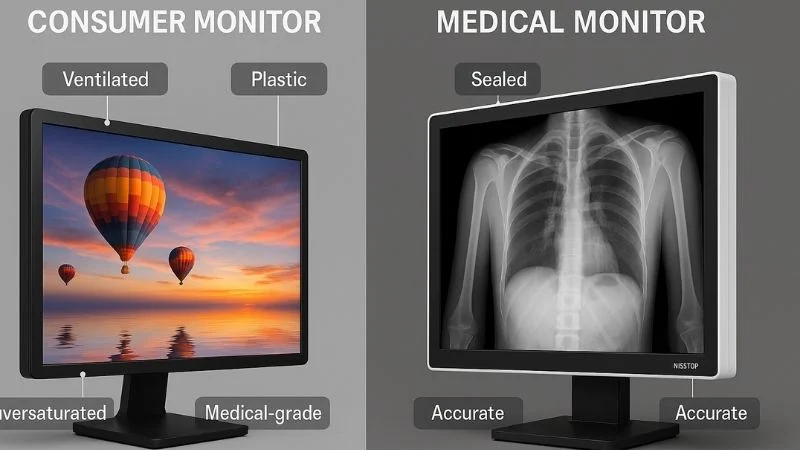
Differences Between Medical and Consumer Displays
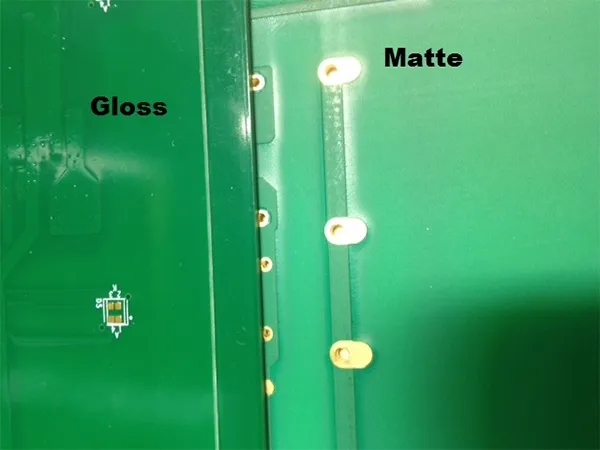
Matte Finish vs. Gloss Finish: What you must know as a PCB designer
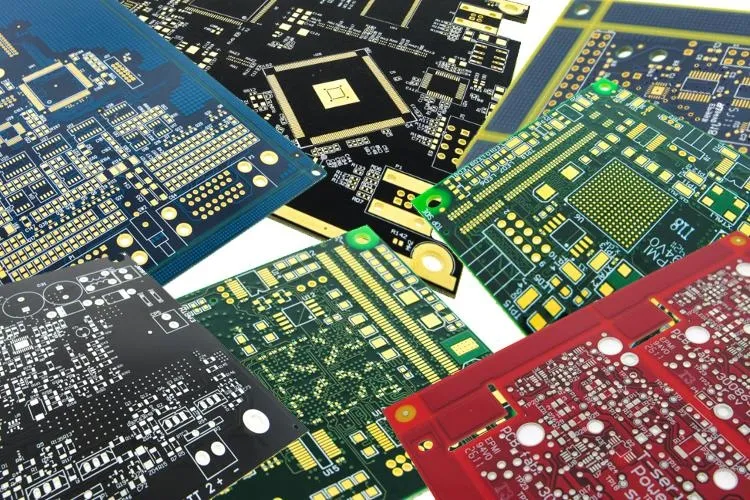
The Ultimate Guide to different Solder Mask Colors-Benefit of Matte