





 03:34
Multilayer PCB
Multilayer PCBs represent a cornerstone of modern electronics design, enabling the creation of compact, high-performance circuits that power everything from smartphones to industrial machinery. These boards consist of multiple layers of conductive copper separated by insulating materials, allowing for intricate routing of signals and power without the space constraints of single or double-layer alternatives. For engineers and designers searching for multilayer PCB solutions, this tag serves as a comprehensive resource, offering insights into their construction, advantages, and implementation strategies. One key benefit of multilayer PCBs is their ability to support higher component density, which is essential for devices requiring complex interconnections while minimizing electromagnetic interference. In practice, this means you can achieve better signal integrity and thermal management, crucial for applications in telecommunications, automotive systems, and medical equipment. When designing a multilayer PCB, focus on layer stackup planning to optimize impedance control and reduce crosstalk; for instance, alternating signal and ground planes can significantly enhance performance. Best practices also include using via structures like blind or buried vias to connect layers efficiently, avoiding common pitfalls such as uneven copper distribution that could lead to warping during fabrication. Professionals often turn to multilayer PCBs for their scalability in prototyping and mass production, where cost-effectiveness hinges on selecting appropriate materials like FR-4 or high-frequency laminates based on the project's demands. This tag compiles articles that delve into these topics, from step-by-step design tutorials to case studies on troubleshooting manufacturing issues. By reviewing the content here, you can gain practical knowledge to refine your projects, whether you're optimizing a new prototype or scaling up for commercial use.
Video Guide


Technical Articles
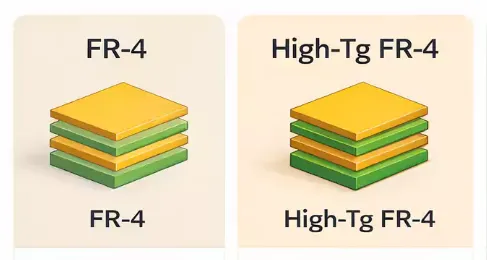
Standard FR4 vs High-Tg FR4: Which PCB Material Should You Choose?
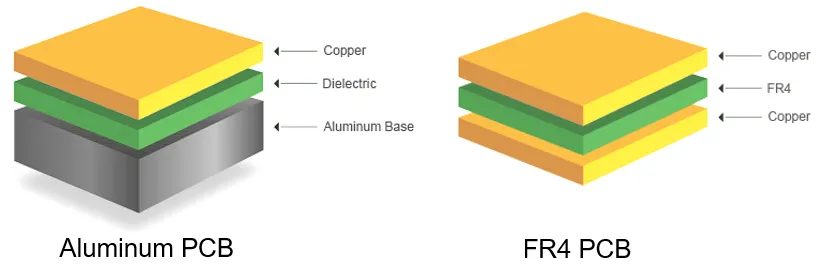
FR4 vs Aluminum PCB: Which Is Better for Thermal Management?
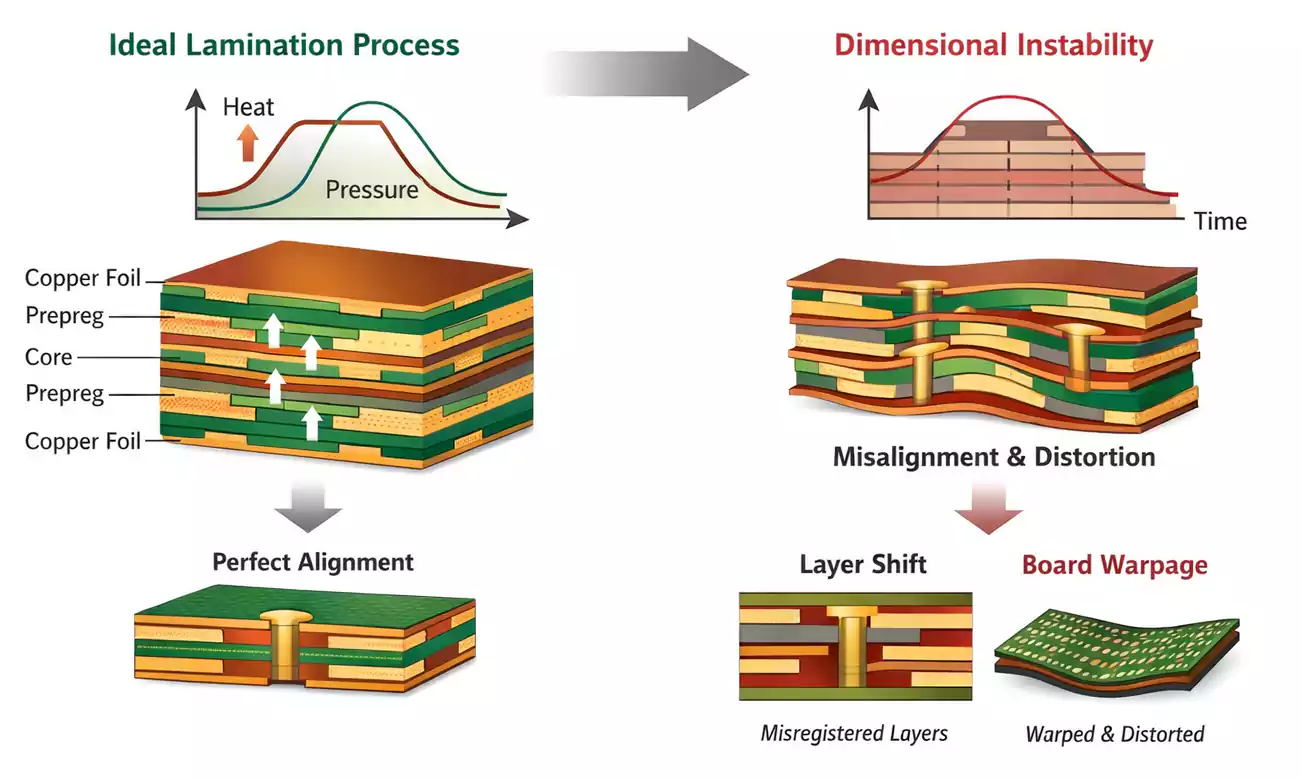
FR4 PCB Registration Accuracy: Causes of Layer Misalignment
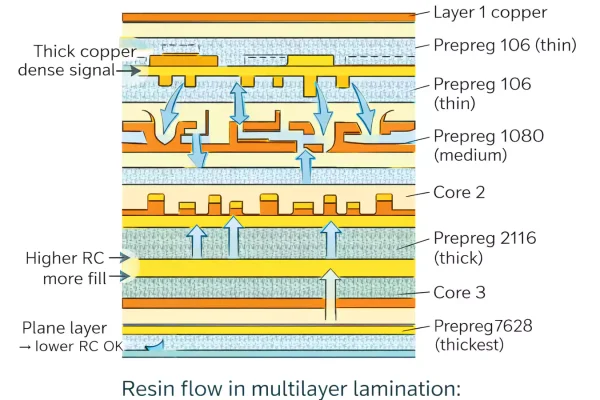
FR4 PCB Resin Flow: Effects on Multilayer Manufacturing
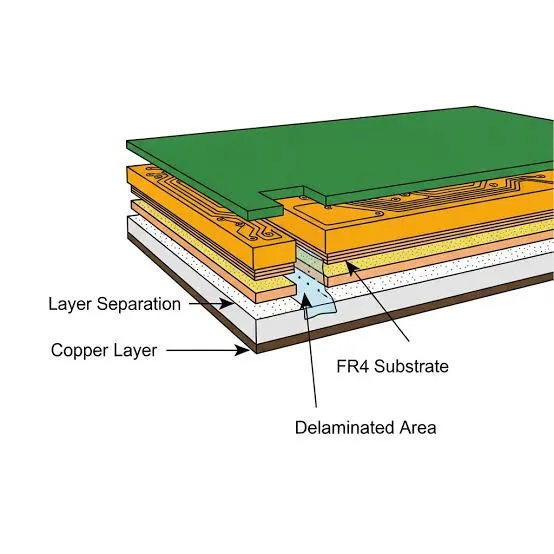
FR4 PCB Delamination: Causes, Detection, and Prevention
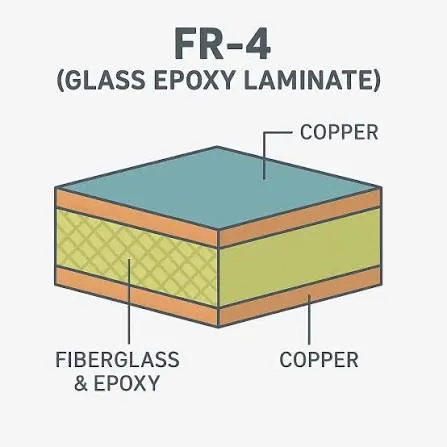
FR4 PCB Inner Layer Oxide Treatment: Purpose and Process Control

What Is AIVON KiCad Plugin? Simplify PCB Ordering from KiCad
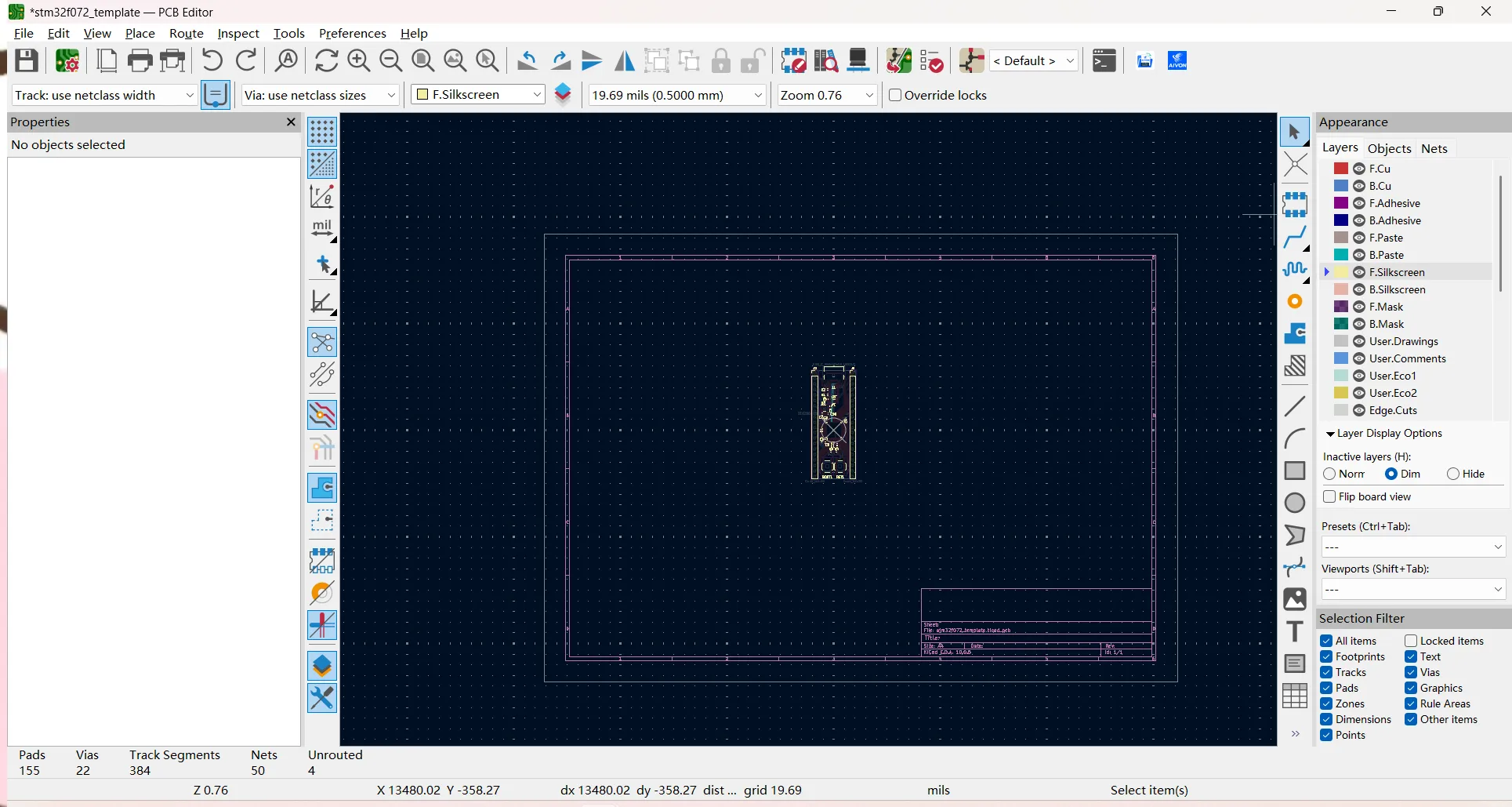
Who Uses KiCad? From Makers to Professional Hardware Teams
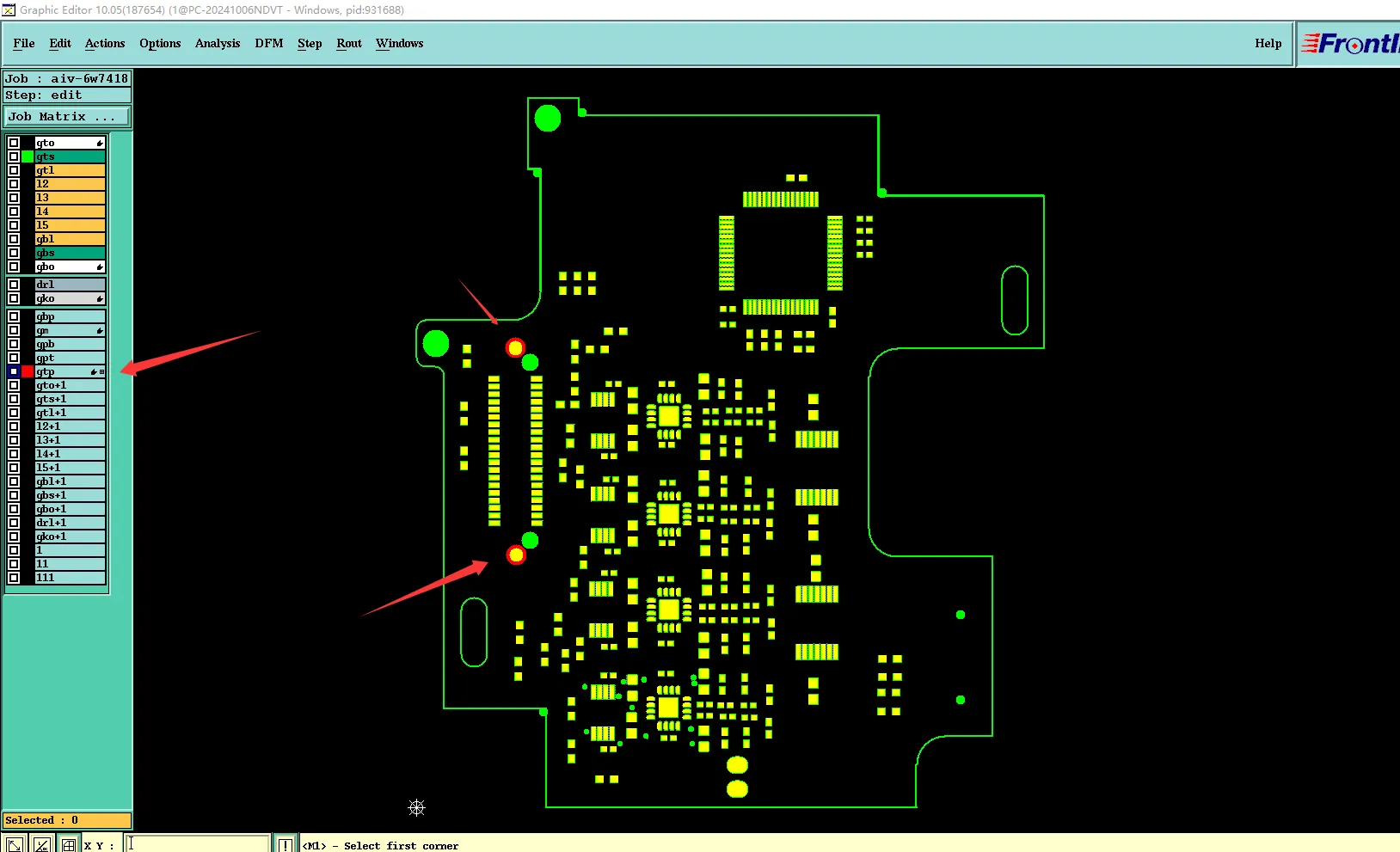
How DFM Handled Undersized Silkscreen on Dense 6L PCB
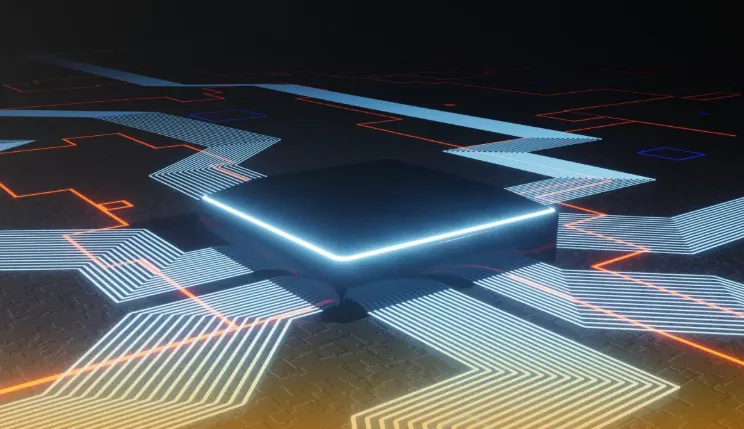
High Speed Digital Design with Multilayer PCBs: Overcoming the Challenges
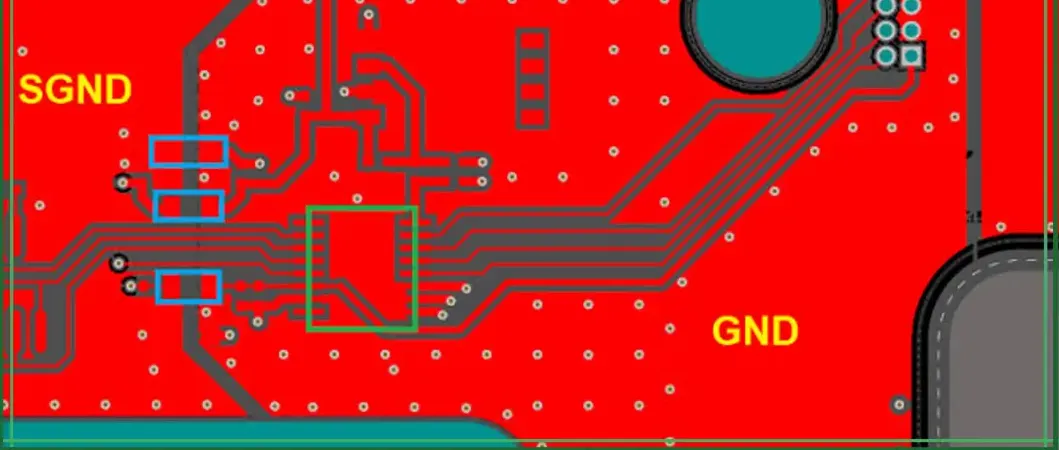
Copper Pour in Power Planes: Maximizing Current Capacity and Voltage Stability
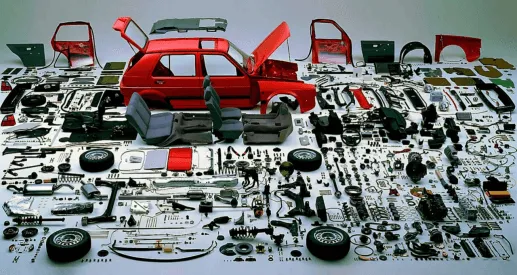
Multilayer PCBs in Automotive Electronics: Meeting the Demands of Modern Vehicles
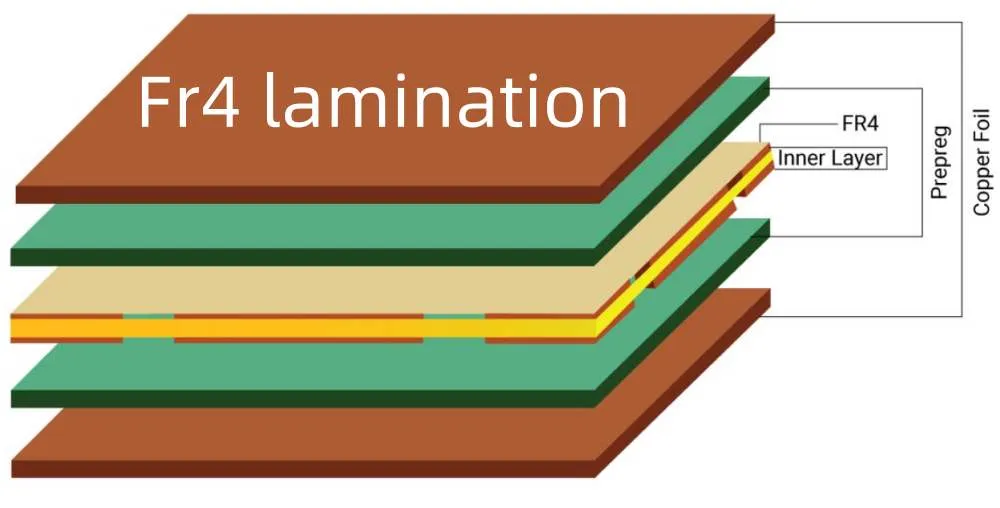
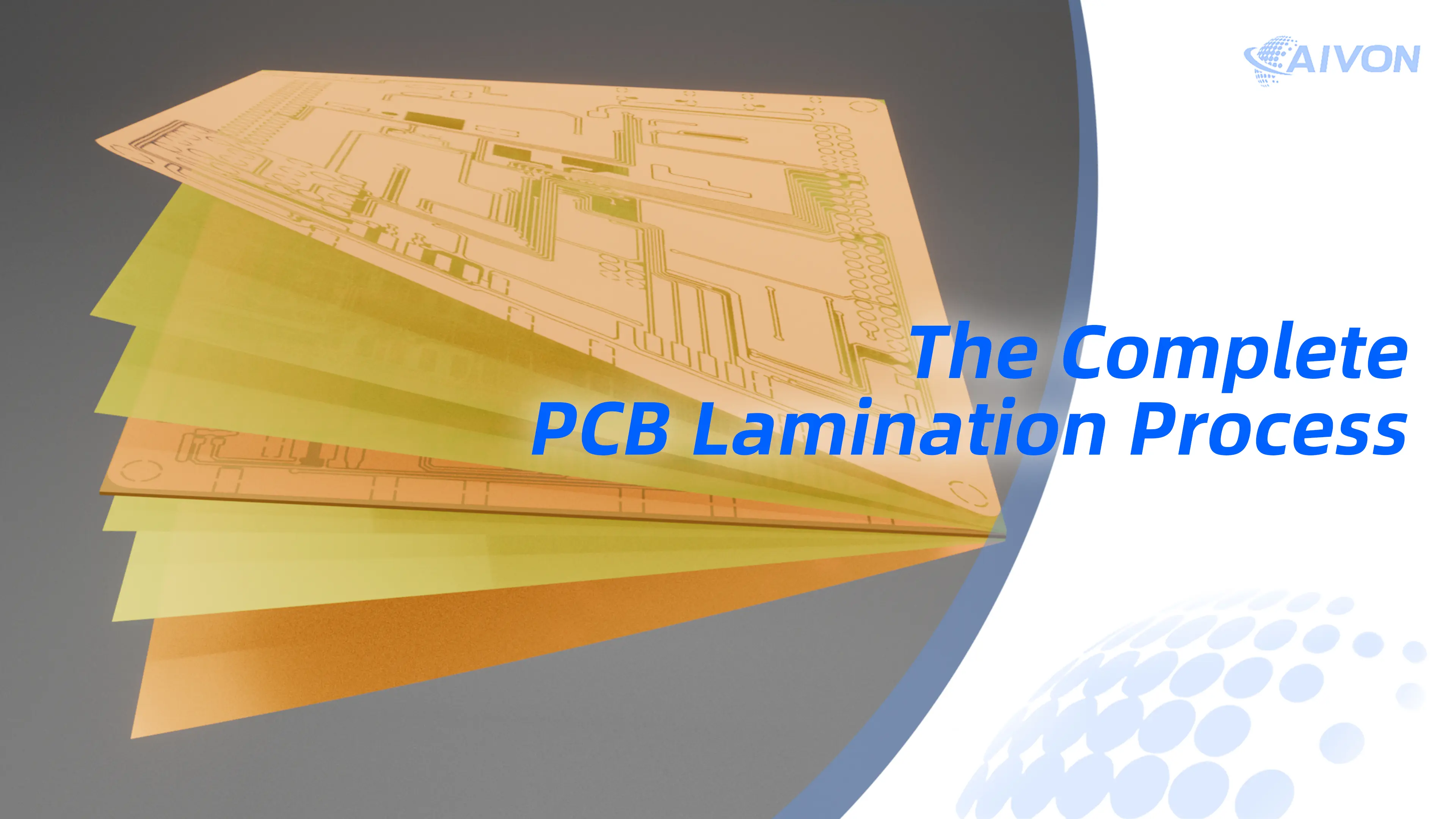
The Art of Lamination: Achieving Perfect Layer Bonding in Multilayer PCBs
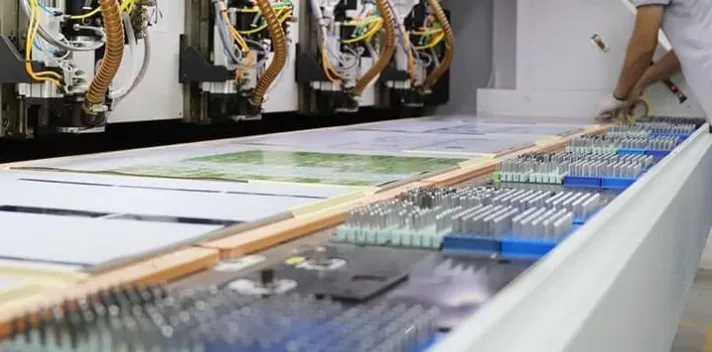
Drilling Down: Optimizing Drilling Parameters for Multilayer PCB Fabrication

What are Smart Parking System Adoption, Availability and Usage Trends?

Optimizing PCB Design and Manufacturing for PLC-Based Industrial Control Systems

China Customized Immersion Tin Hearing Aids Multilayer Rigid flex PCB with Impedance control
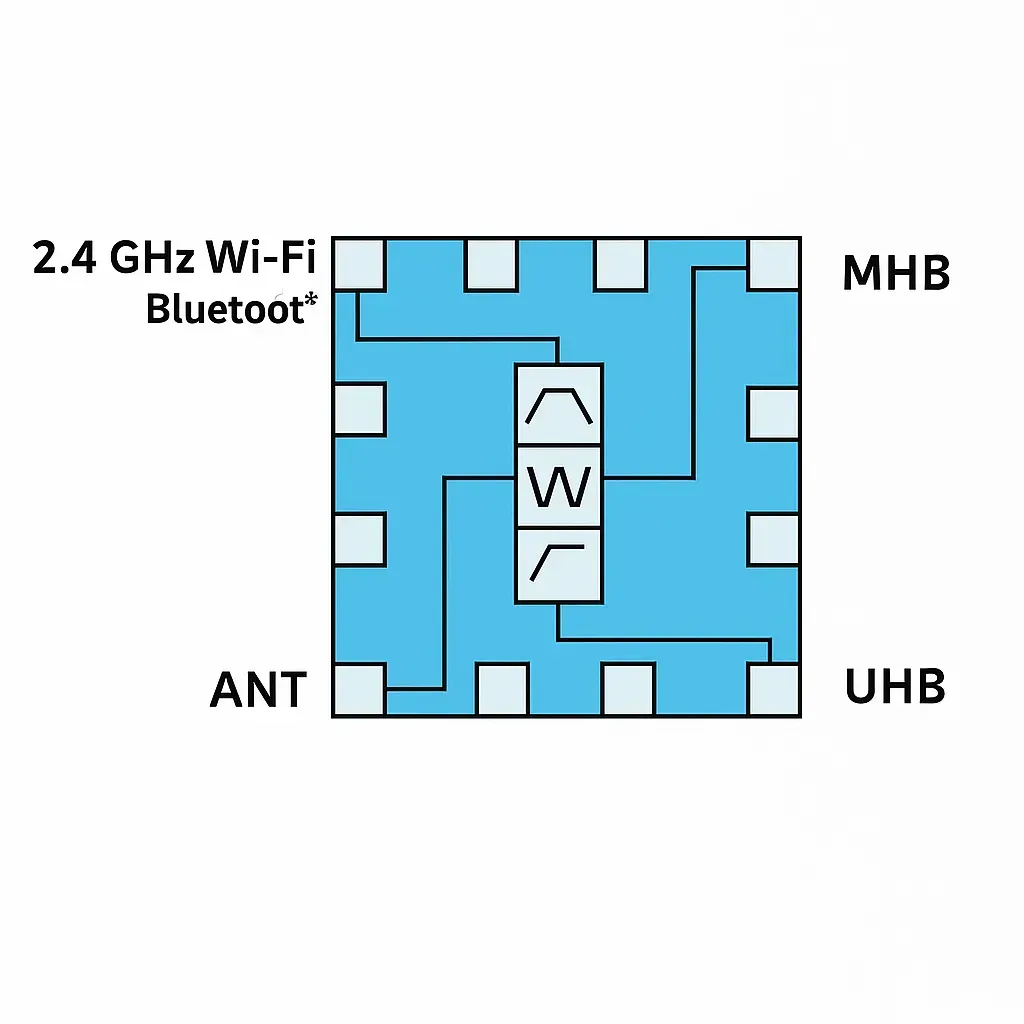
RF Front End and Filter Fundamentals

5G Established, 6G Still Under Question