 28:04
28:04
Design For Manufacturing (DFM)
Design For Manufacturing (DFM) plays a pivotal role in the electronics industry, bridging the gap between innovative PCB design and efficient production. This approach focuses on optimizing circuit board layouts and component selections to streamline manufacturing processes, reduce costs, and minimize defects. Engineers and designers who prioritize DFM early in the development cycle can avoid common pitfalls such as overly complex assemblies or material incompatibilities that lead to production delays and increased expenses. By incorporating DFM principles, professionals ensure that their designs are not only functional but also manufacturable at scale, making it an essential strategy for anyone involved in electronics prototyping or mass production. Key aspects of DFM include guidelines for component placement, trace routing, and panelization that align with fabrication capabilities. For instance, adhering to minimum spacing rules and selecting readily available parts can significantly enhance yield rates and accelerate time to market. Practical applications extend to various sectors, from consumer electronics to automotive systems, where reliability and cost-effectiveness are paramount. Best practices involve conducting DFM reviews using specialized software tools to simulate manufacturing outcomes and identify potential issues before prototypes are built. This proactive method empowers teams to iterate designs efficiently, fostering innovation while maintaining high standards of quality control. The articles tagged under Design For Manufacturing (DFM) offer in-depth explorations of these concepts, including real-world case studies and step-by-step tutorials on implementing DFM checklists. Readers can find valuable insights into emerging trends like automated DFM analysis and integration with design automation tools, helping them apply these strategies to their own projects. Diving into these resources provides the knowledge needed to refine PCB designs for optimal manufacturability.
Video Guide



Technical Articles

FR4 PCB Hole Aspect Ratio: Why It Matters for Plating Reliability

FR4 PCB Plated Through-Hole Reliability: Common Risks and Controls
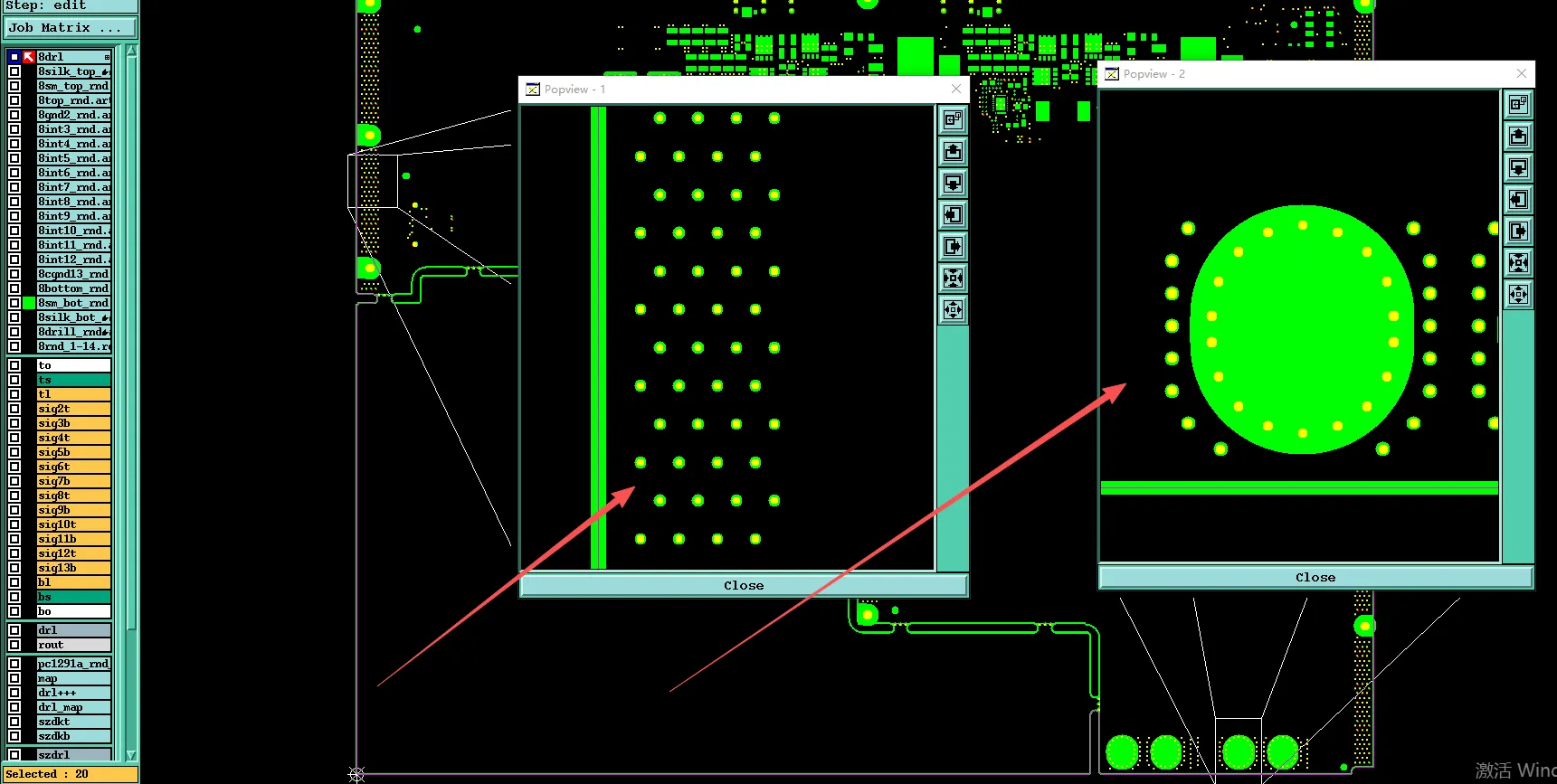
How We Resolved Resin Plug Tenting Conflict on 14-Layer PCB
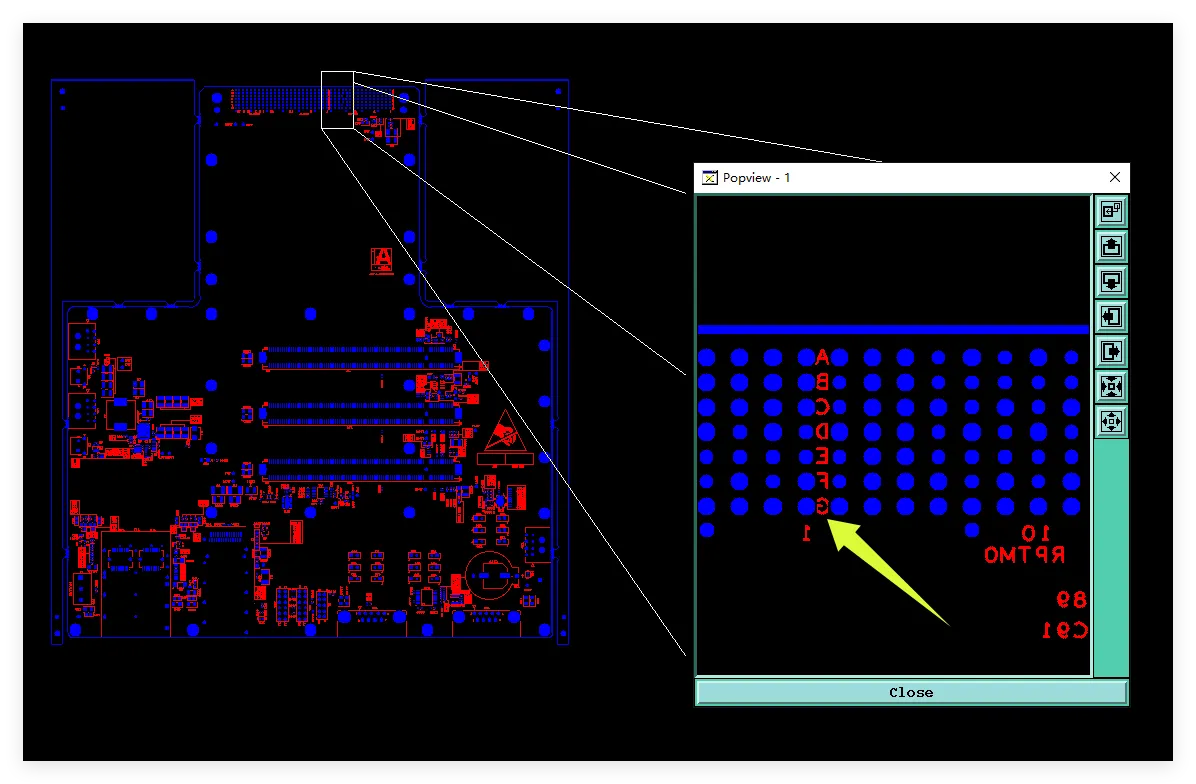
How DFM Prevented Back Drill Dimples in 12-Layer PCB
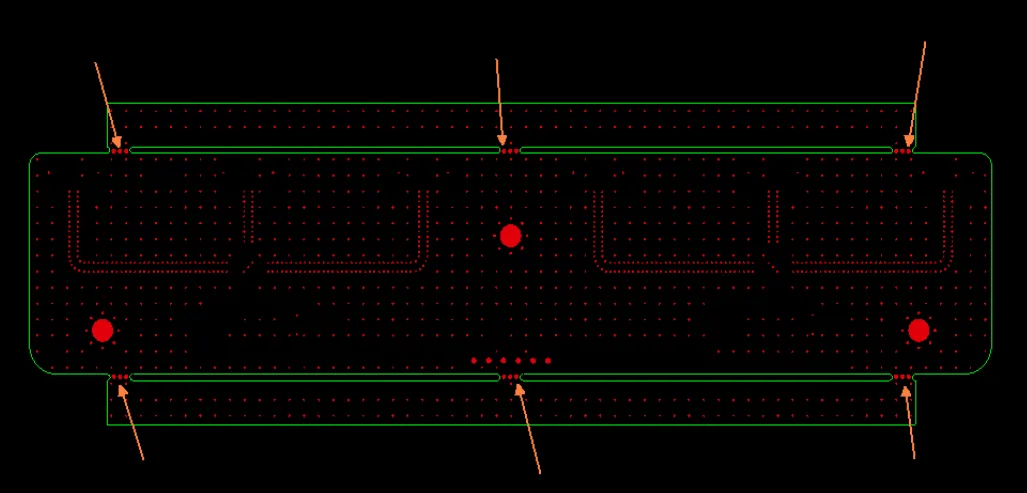
Why 0.267 mm Stamp-Hole Spacing Failed on Rogers RO4350B PTH Boards
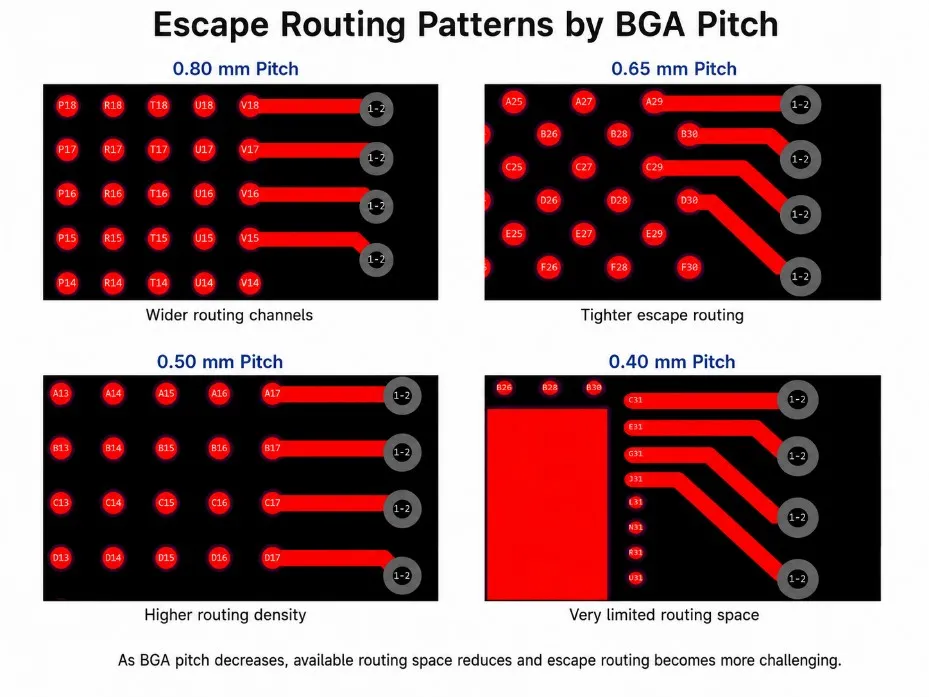
How HDI Connector Pin Density Affects HDI PCB Routing Decisions
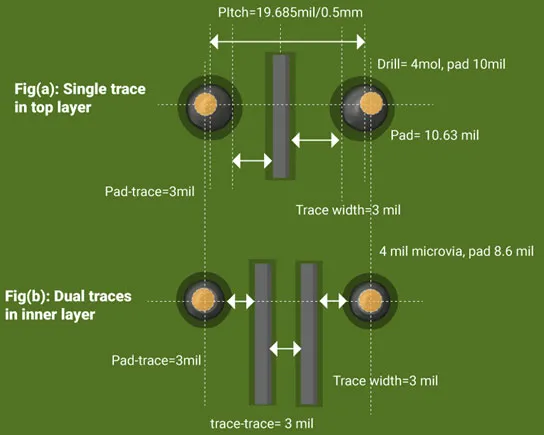
Component Placement Mistakes That Make HDI PCB Routing Harder
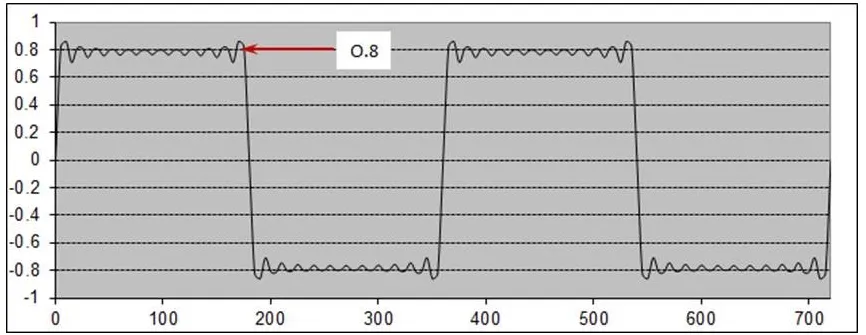
Why HDI PCB Trace Width Changes During Routing Can Cause Problems
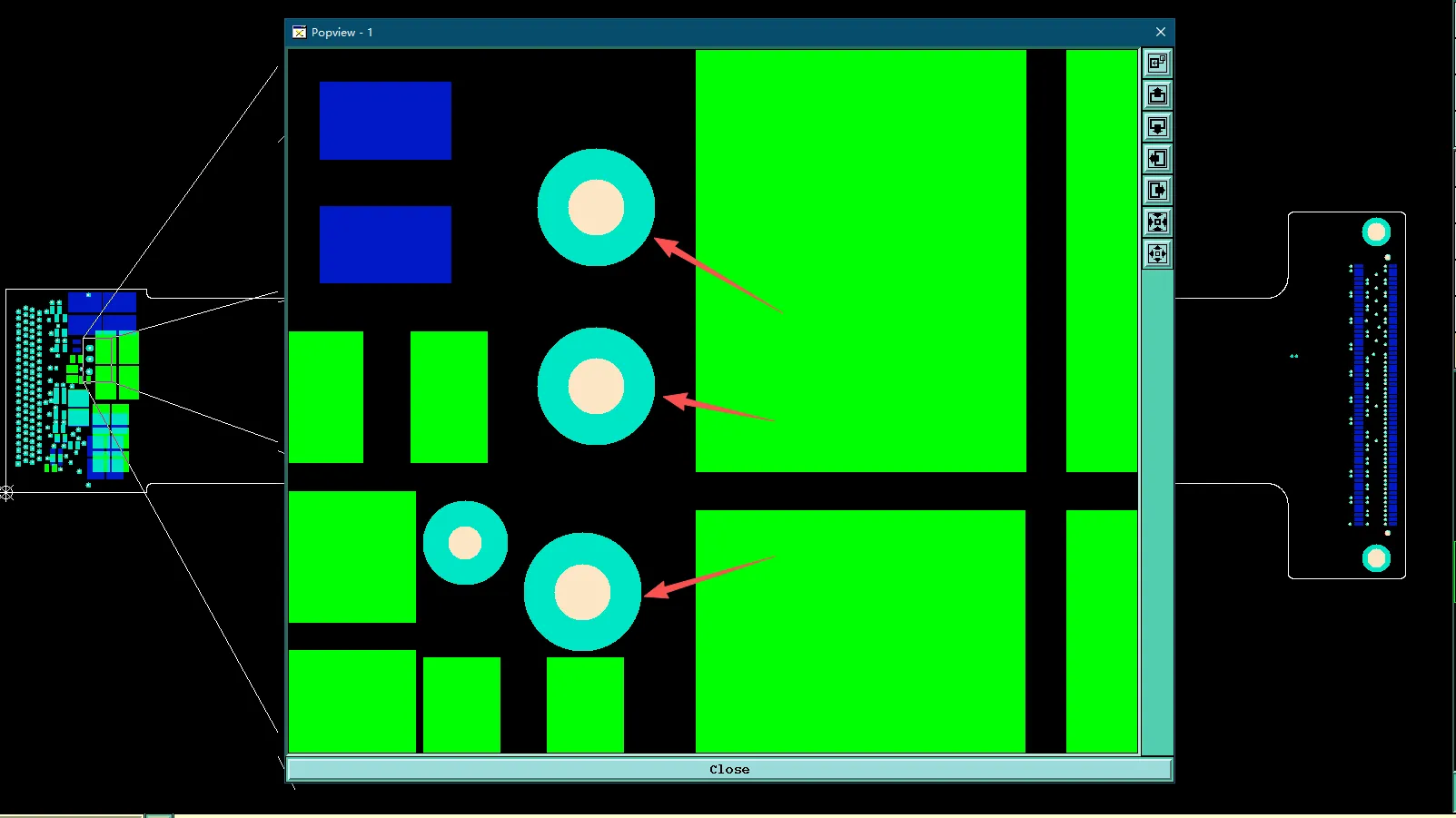
How CAM Review Fixed Stackup, Via Tenting & Outgassing Conflicts on a 7-Layer Rigid-Flex PCB

HDI PCB Design Changes After CAM Review: What Usually Goes Wrong?

From FPC Prototype to Mass Production: Manufacturing Considerations

HDI PCB Copper Balance: Why Uneven Copper Distribution Matters
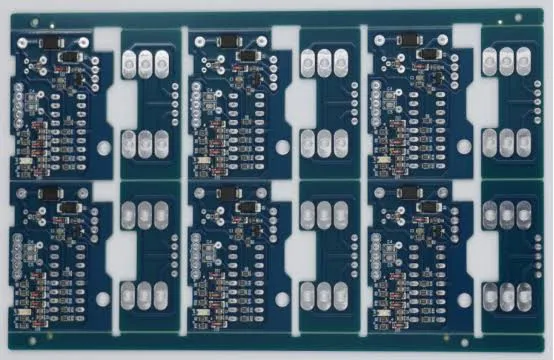
How to Prevent Solder Bridging on Fine-Pitch HDI BGA Pads
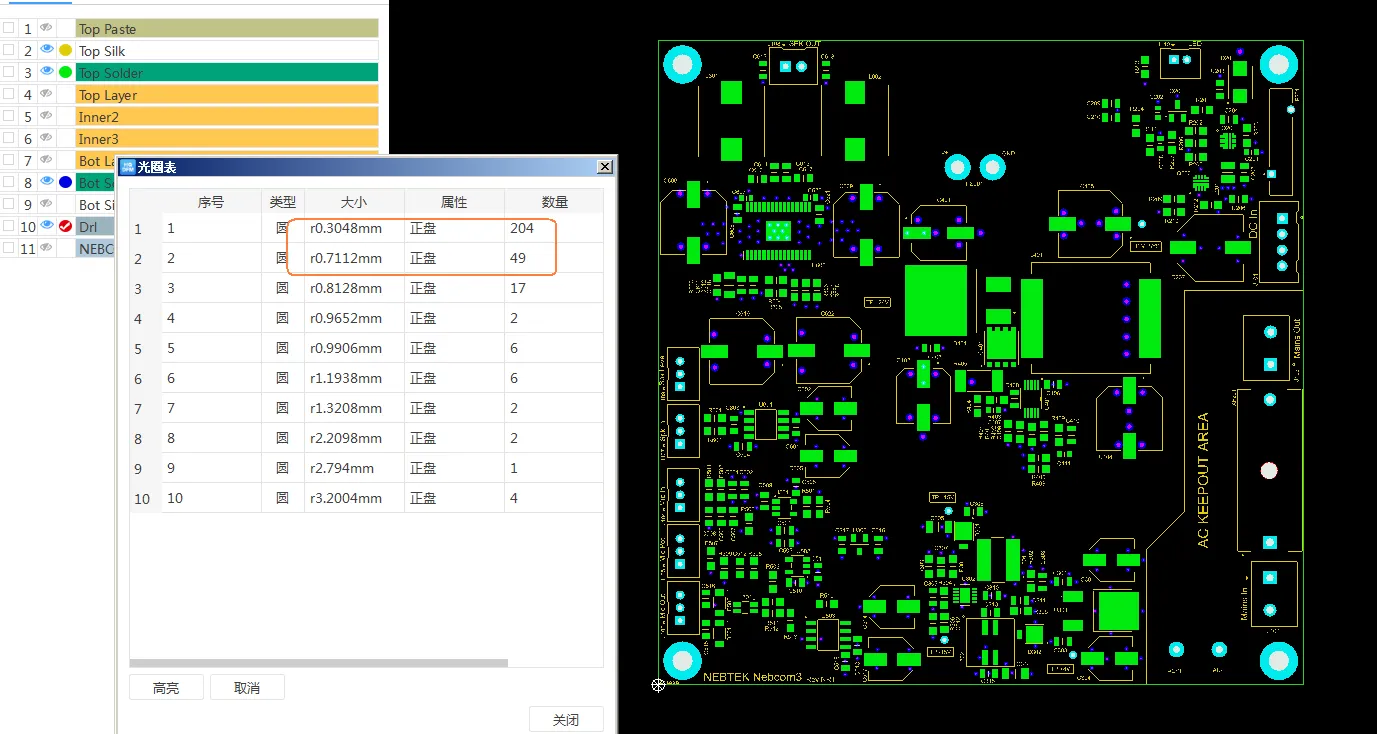
How DFM Prevented Via Tenting Issues in 4-Layer FR4 PCB
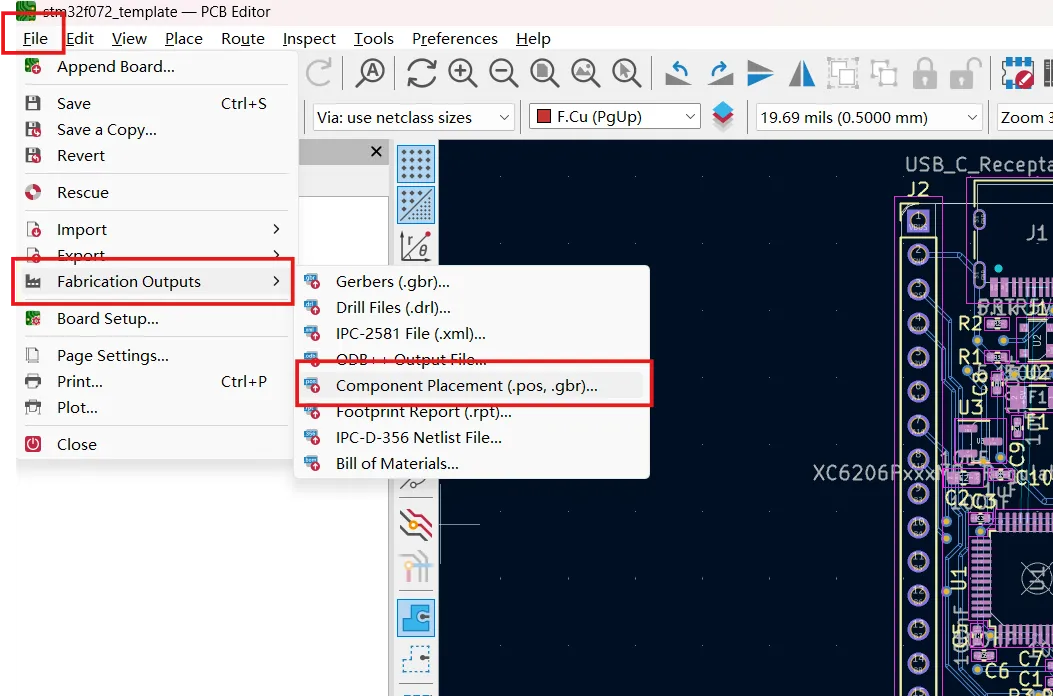
Generating Pick-and-Place Files in KiCad: Complete SMT Assembly Guide
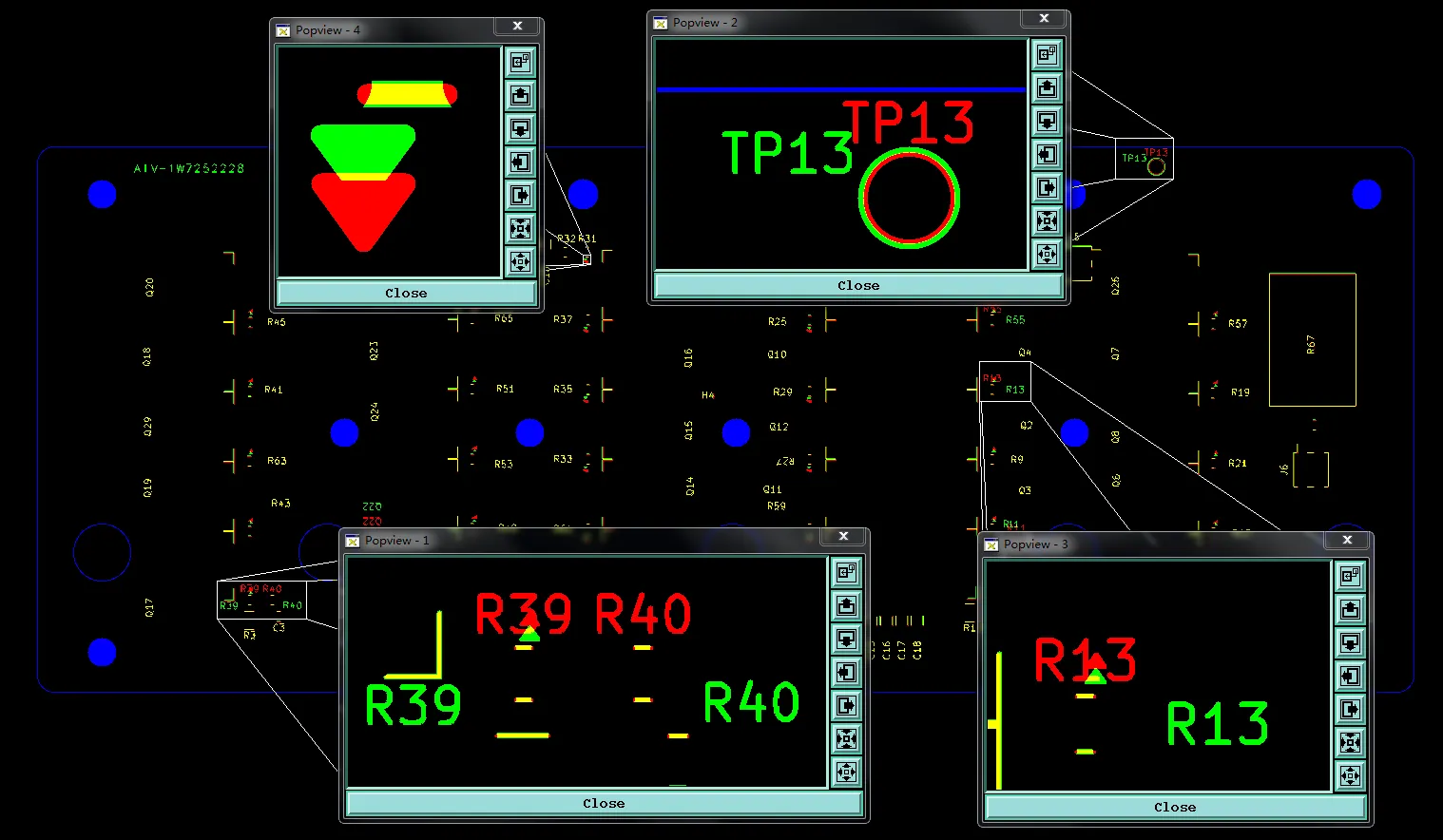
Common KiCad PCB Manufacturing Problems and How to Fix Them
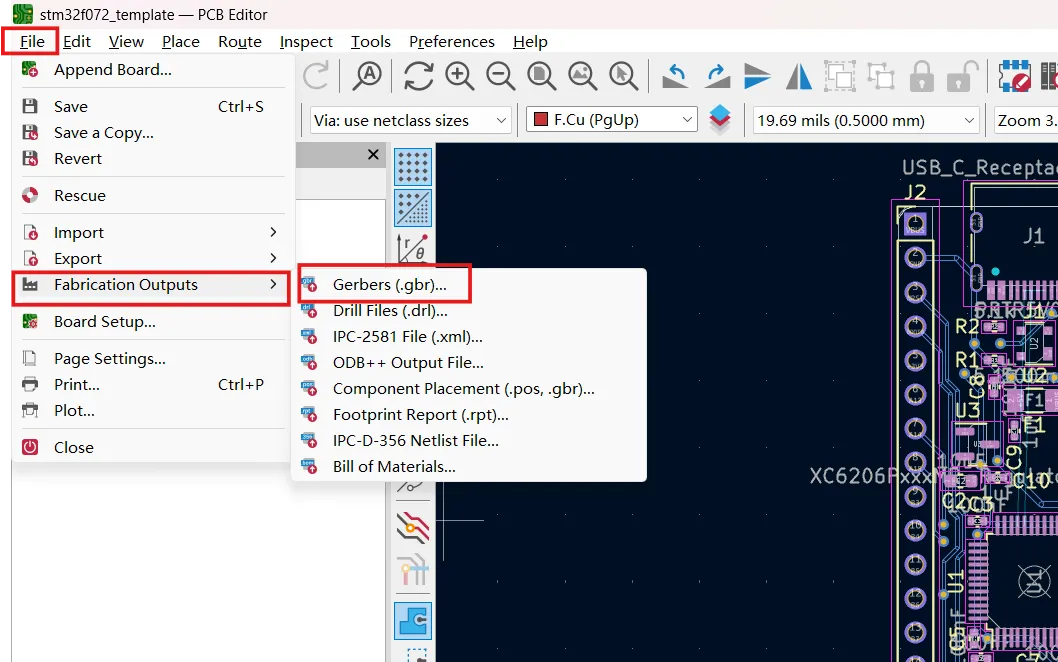
How to Export Gerber Files from KiCad for PCB Manufacturing
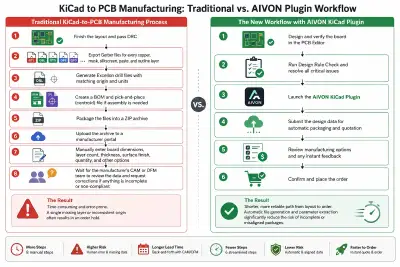
How to Order PCBs Directly from KiCad: Complete Manufacturing Workflow

HDI BGA Pad Clearance Problems That Can Delay Production