




 00:58
Signal Integrity
Signal integrity refers to the preservation of electrical signal quality as it travels through a circuit, ensuring minimal distortion, noise, or timing errors. In high-speed PCB design and electronics, maintaining signal integrity is crucial to prevent issues such as reflections, crosstalk, electromagnetic interference, and signal attenuation that can degrade system performance or cause failures. Engineers and designers often encounter these challenges in applications like data communication systems, automotive electronics, and consumer devices, where even minor signal degradation can lead to unreliable operation or data corruption. This tag page gathers resources focused on signal integrity principles, offering practical guidance for optimizing PCB layouts, selecting appropriate materials, and implementing effective mitigation strategies. For instance, you will find discussions on impedance matching techniques to reduce reflections, proper grounding methods to minimize noise, and simulation tools for predicting signal behavior before prototyping. These insights are particularly valuable for professionals troubleshooting real-world problems or students learning the fundamentals of high-frequency design, helping to bridge theoretical knowledge with hands-on application. By addressing common pitfalls and best practices, the content under the Signal Integrity tag equips you with actionable steps to enhance circuit reliability and efficiency. Whether you are designing for gigabit speeds or ensuring compliance with industry standards, these articles provide in-depth analysis and case studies that can inform your projects. Delving into these topics can refine your approach to electronics design, ultimately leading to more robust and performant systems.
Video Guide
-
00:58
-
 00:53
What is PCB Edge Plating? Benefits, Design Tips & Manufacturing Considerations
-
 00:52
How Many PCB Layers Do Beginners Actually Need?
-
 00:52
Stitching Vias in PCB Design: Essential for EMI Reduction, Heat Management & Signal Integrity
-
 01:09
How Signals Jump Between PCB Layers: Vias Explained
Technical Articles
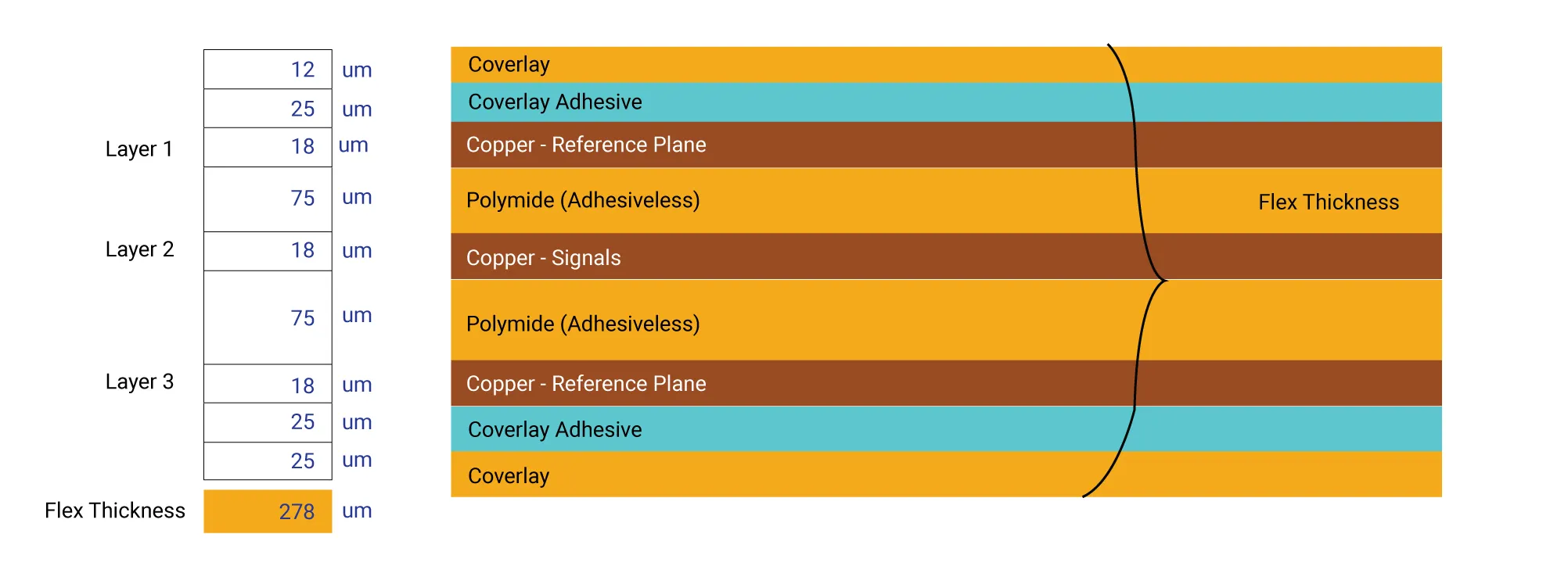
Why Does FPC Impedance Control Fail During Manufacturing?
Complete Guide to FPC Materials and Flexible PCB Manufacturing
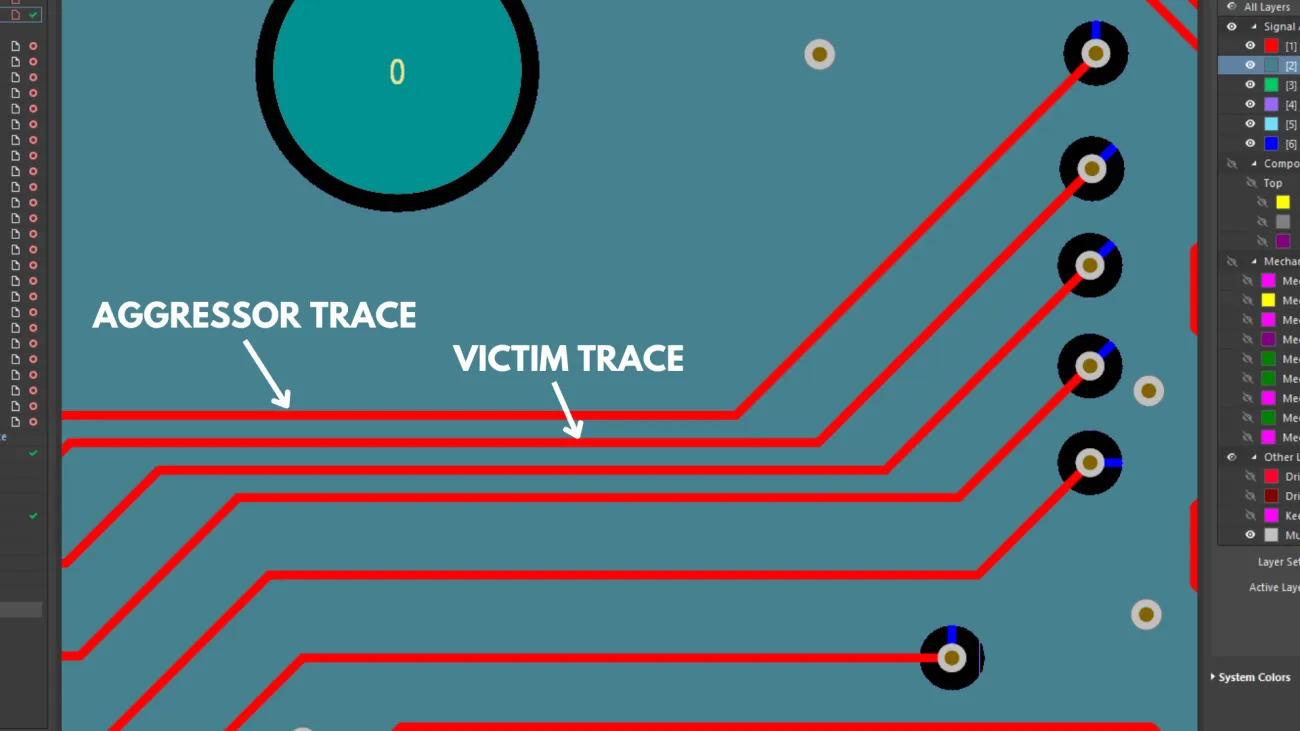
The Art of PCB Trace Routing: Techniques for Reducing Crosstalk and Noise
HDI PCB Applications: Powering Miniaturization, Performance, and Reliability Across Industries
Designing with Taconic PCBs: A Practical Guide for RF and Microwave Engineers
Testing and Validation of PTFE PCBs: Ensuring Quality and Reliability

PTFE PCBs in Aerospace and Defense: Meeting the Demands of Extreme Environments

Building Your Own Drone with Rogers PCB: Performance Matters
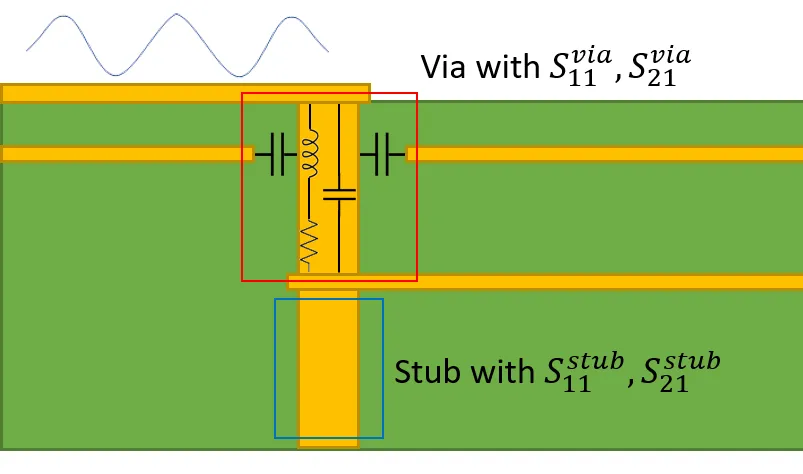
The Impact of Via Stub Length on High Frequency Signal Integrity
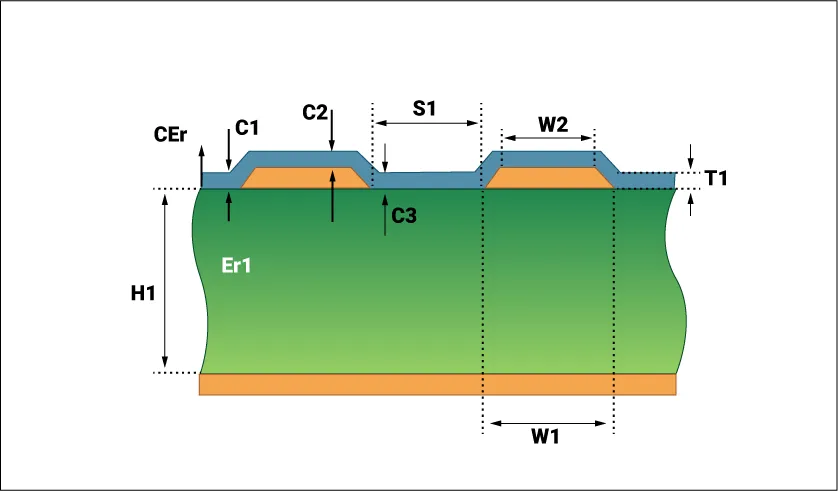
Flexible PCB Impedance Control: Design Challenges and Solutions
High Speed Digital Design with Multilayer PCBs: Overcoming the Challenges
Finding the Right PTFE PCB Supplier: Key Considerations for Quality and Cost
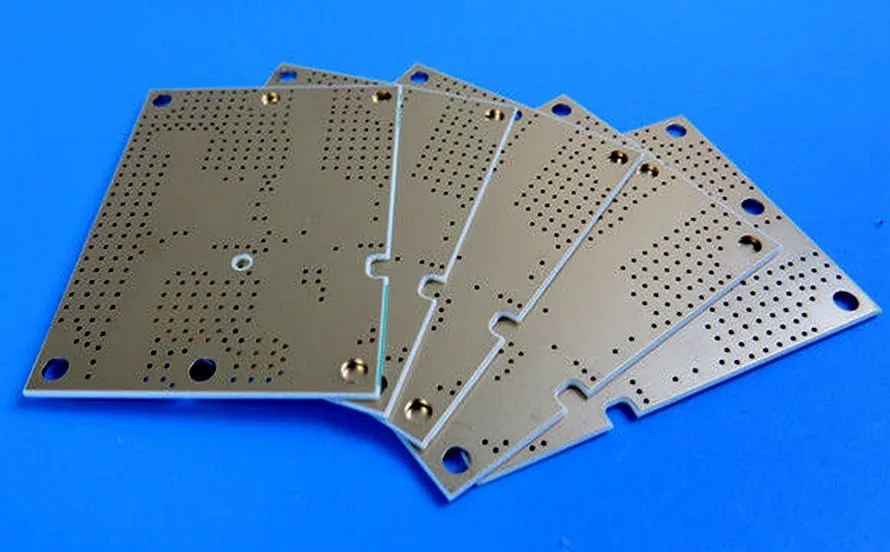
The Ultimate Guide to Taconic PCB Lamination: Process, Materials, and Best Practices
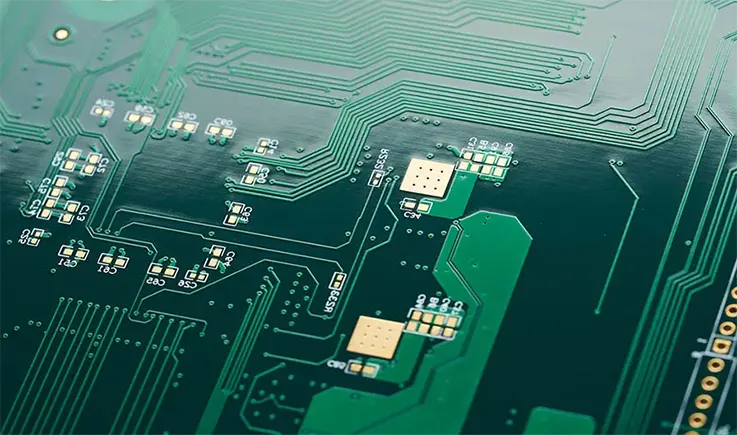
Cost Effective High Frequency PCB Design: Balancing Performance and Price with Taconic Materials

PTFE PCBs in 5G Technology: Enabling High Speed Communication and Low Latency
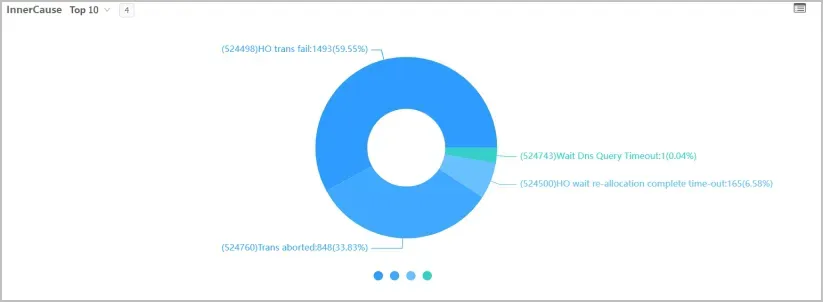
5G-to-4G Handover Failures and Troubleshooting
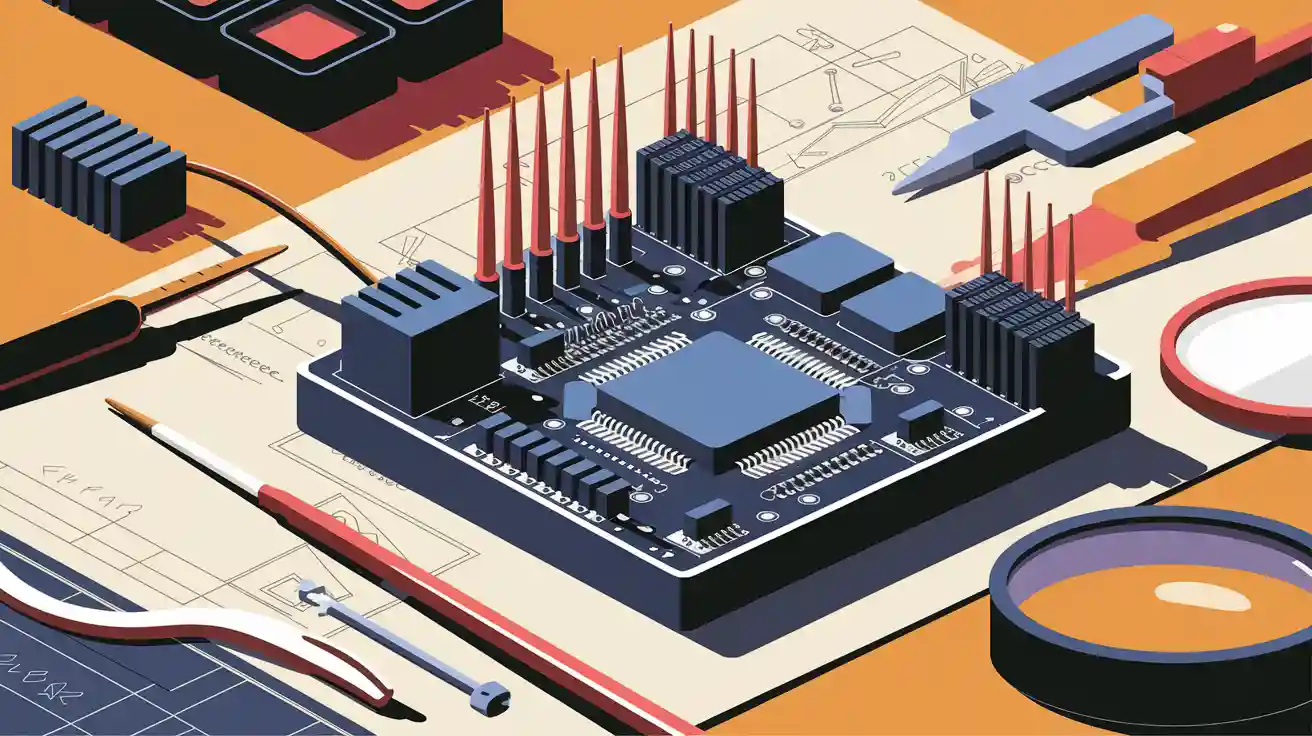
RF PCB Footprint Design: Optimizing for Performance and Minimal Loss
PCB Impedance Control and EMI Reduction: Best Practices for Signal Integrity
Accelerometer Principles and Applications