 00:58
00:58
Signal Integrity
Signal integrity refers to the preservation of electrical signal quality as it travels through a circuit, ensuring minimal distortion, noise, or timing errors. In high-speed PCB design and electronics, maintaining signal integrity is crucial to prevent issues such as reflections, crosstalk, electromagnetic interference, and signal attenuation that can degrade system performance or cause failures. Engineers and designers often encounter these challenges in applications like data communication systems, automotive electronics, and consumer devices, where even minor signal degradation can lead to unreliable operation or data corruption. This tag page gathers resources focused on signal integrity principles, offering practical guidance for optimizing PCB layouts, selecting appropriate materials, and implementing effective mitigation strategies. For instance, you will find discussions on impedance matching techniques to reduce reflections, proper grounding methods to minimize noise, and simulation tools for predicting signal behavior before prototyping. These insights are particularly valuable for professionals troubleshooting real-world problems or students learning the fundamentals of high-frequency design, helping to bridge theoretical knowledge with hands-on application. By addressing common pitfalls and best practices, the content under the Signal Integrity tag equips you with actionable steps to enhance circuit reliability and efficiency. Whether you are designing for gigabit speeds or ensuring compliance with industry standards, these articles provide in-depth analysis and case studies that can inform your projects. Delving into these topics can refine your approach to electronics design, ultimately leading to more robust and performant systems.
Video Guide
-
00:58
-
 00:53
00:53
What is PCB Edge Plating? Benefits, Design Tips & Manufacturing Considerations
-
 00:52
00:52
How Many PCB Layers Do Beginners Actually Need?
-
 00:52
00:52
Stitching Vias in PCB Design: Essential for EMI Reduction, Heat Management & Signal Integrity
-
 01:09
01:09
How Signals Jump Between PCB Layers: Vias Explained
Technical Articles
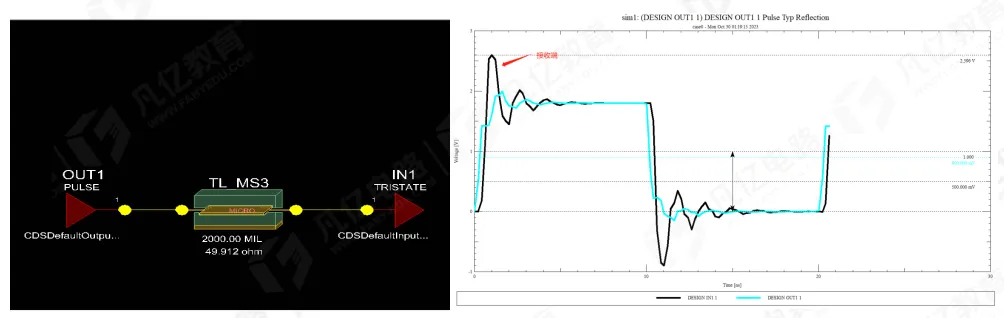
Why a Series Termination Resistor Must Sit Next to the Driver
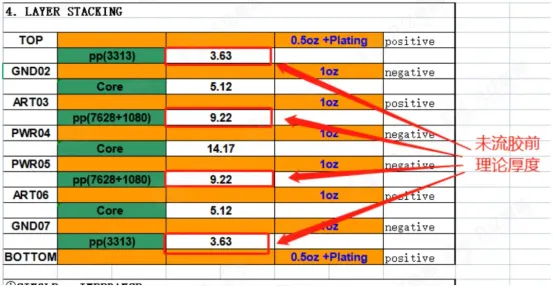
How PCB Copper Thickness Affects Current, Heat, and Strength
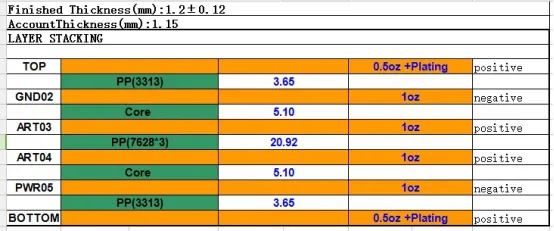
PCB Impedance Calculation for Signal Integrity
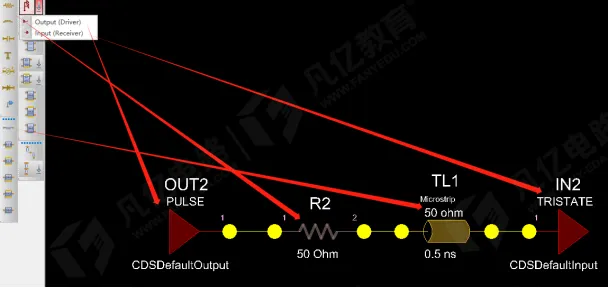
What a Series Resistor on a PCB Signal Trace Actually Does
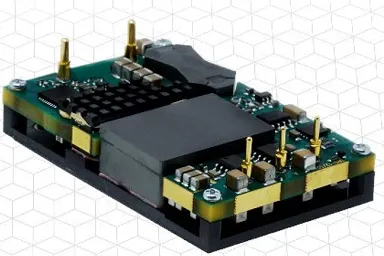
How to Test the SW Signal of a DC-DC Converter

Stop Drawing Arbitrary Serpentine Traces: The Real Constraint in PCB Length Matching
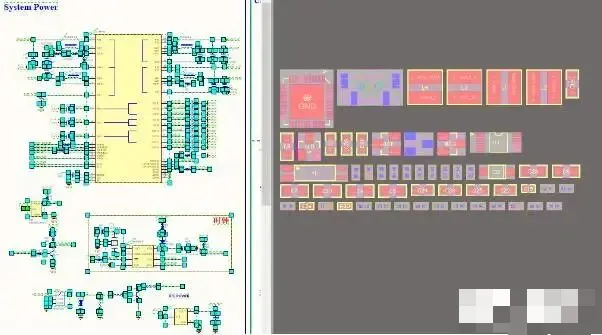
Interactive and Modular Placement to Improve PCB Design Efficiency
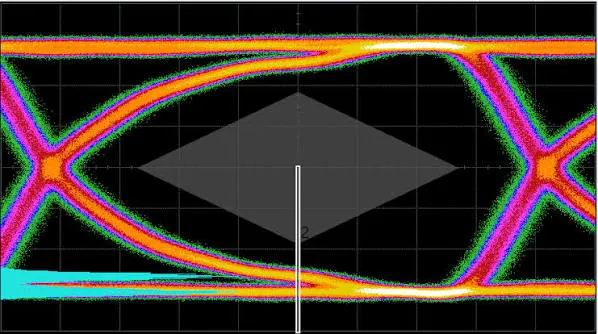
High-Speed PCB Design: From Signal Integrity to Transmission-Line Basics
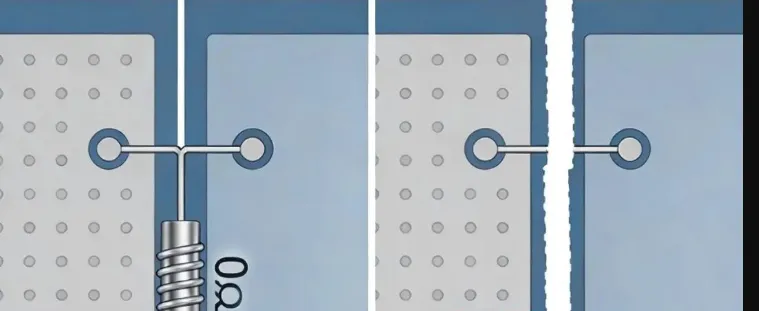
After Designing 10 PCBs: If the Layers Are Wrong, the Board Is Wasted
Crystal Oscillator Design Mistakes That Cause Intermittent Startup Failure
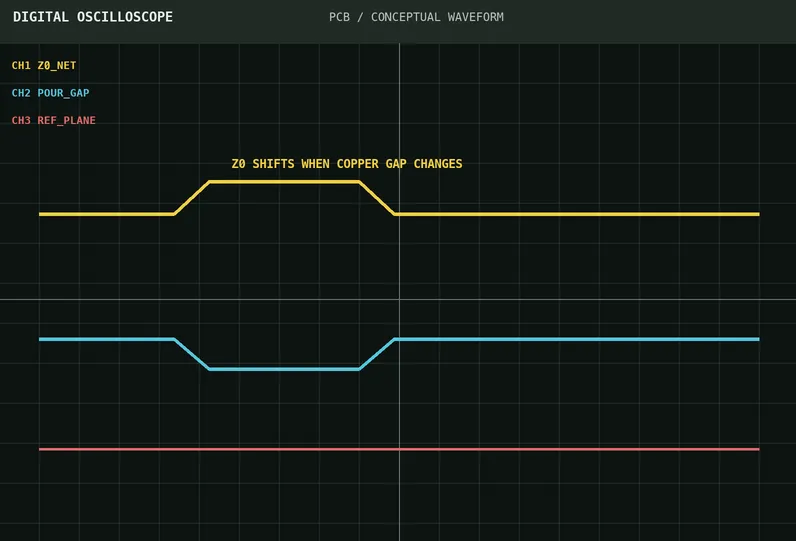
Why Impedance Changes After Adjacent Copper Pour Even When Trace Width Does Not
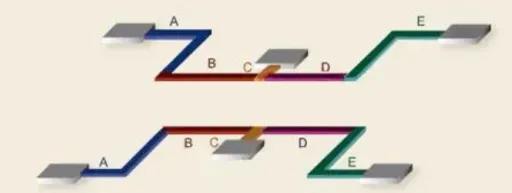
PCB Design Keep Going Wrong? 13 Key Fundamentals That Build a Solid Baseline
Can a 0 Ω Resistor Really Be Used as a Jumper? A Trap Many Engineers Have Hit
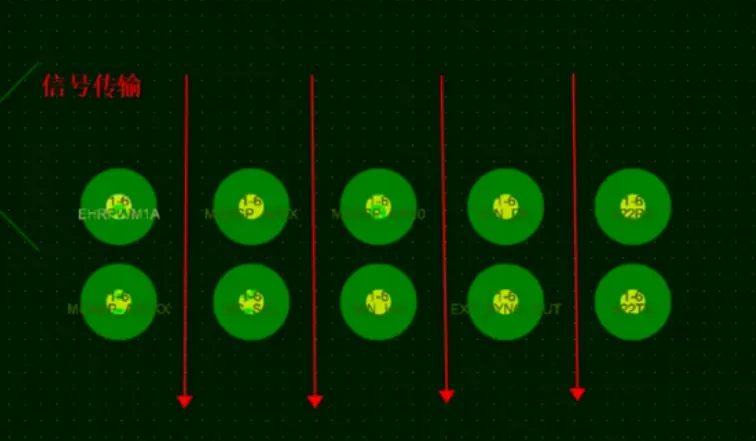
High-Speed PCB Vias: A Small Feature That Can Break the Signal
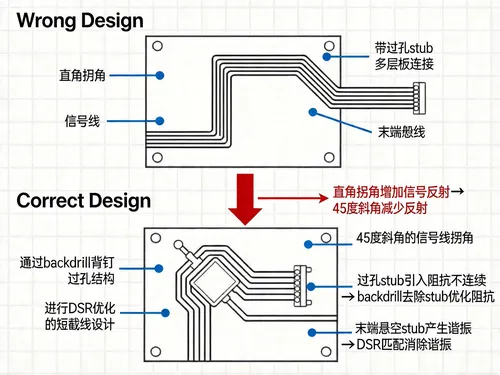
Signal-Integrity Simulation: Five Places Designs Usually Break
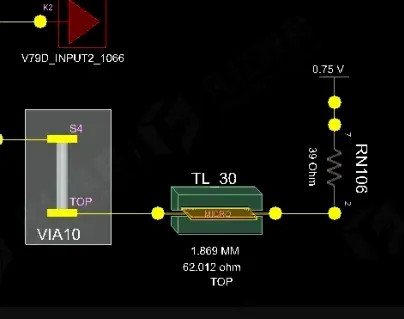
Unstable DDR Is Not Always a Chip Problem: How Much Does a 39 Ω Termination Resistor Change the Eye Diagram?
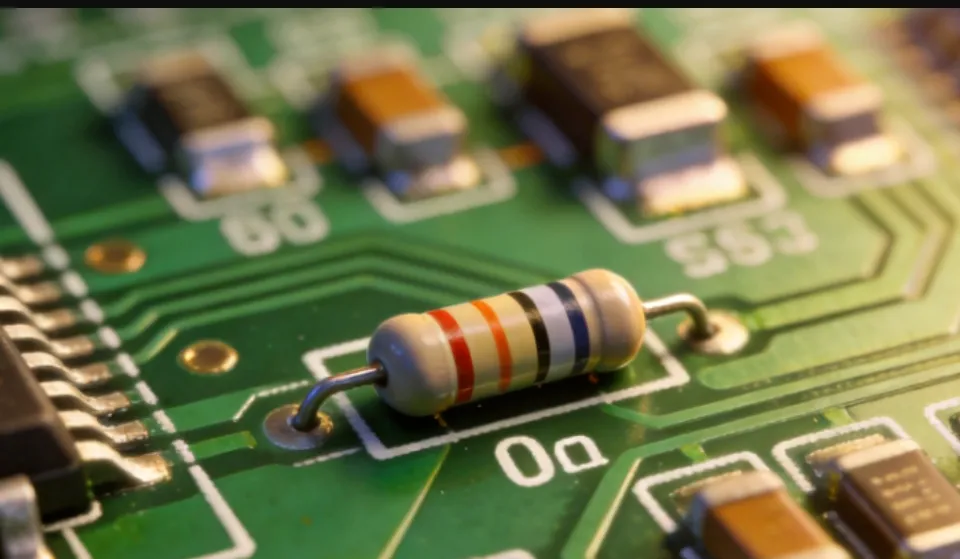
Is a 0 Ω Resistor Only a Jumper? Six Practical Uses in Hardware Design
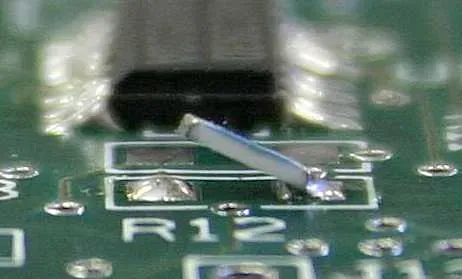
Can a Via Be Placed in a Pad? A Detail PCB Designers Cannot Skip
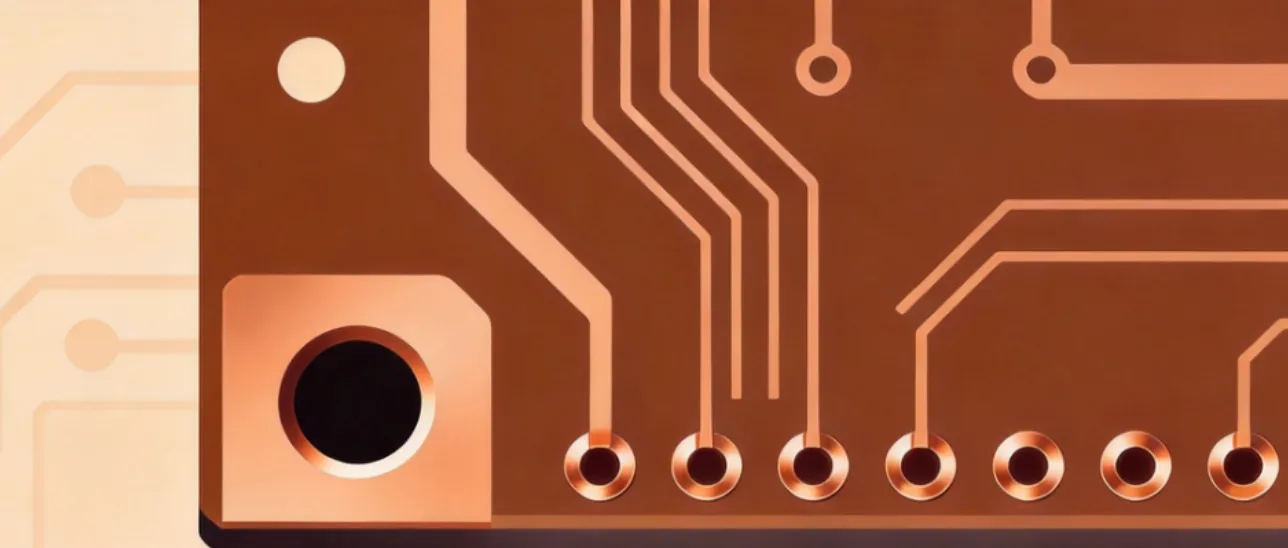
How to Reduce Via Parasitic Inductance in High-Speed Routing