 00:56
00:56
DFM Review
DFM Review plays a crucial role in the PCB design process, ensuring that electronic products can be manufactured efficiently and reliably. This tag encompasses a collection of articles focused on Design for Manufacturability (DFM) principles, where engineers evaluate designs to identify potential issues before production begins. By addressing factors such as component placement, trace routing, material selection, and assembly constraints, a thorough DFM Review helps minimize defects, reduce costs, and accelerate time-to-market. For professionals searching for guidance on DFM Review, these resources provide essential knowledge to optimize designs for high-volume production or complex prototypes. In practice, conducting an effective DFM Review involves several best practices that can transform a good design into a manufacturable one. Start by incorporating manufacturer guidelines early in the design phase, using tools like automated DFM software to flag issues such as insufficient clearances or thermal management problems. Common pitfalls, including overlooking via placement or ignoring signal integrity, are explored in detail across our articles, offering checklists and case studies to help you avoid costly revisions. Whether you are a novice designer or an experienced engineer, understanding these elements ensures smoother collaboration with fabrication houses and higher yield rates. Readers interested in deepening their expertise will find value in the related content under this tag, which includes step-by-step tutorials, industry standards comparisons, and real-world examples from PCB projects. By applying these insights, you can enhance your design workflow and achieve better outcomes in electronics manufacturing.
Video Guide
-
00:56
-
 00:55
00:55
PCB Diode Operation: Understanding PN Junctions and Polarity
-
 00:51
00:51
3 PCB Design Mistakes That Quietly Increase Your Costs
-
 00:45
00:45
SMD Component Removal: Professional PCB Rework and Repair Techniques
-
 03:34
03:34
The Complete PCB Lamination Process: How Multilayer Boards Are Pressed Together
-
 00:53
00:53
PCB Countersink vs Counterbore Holes: Critical DFM Considerations for Reliable Fabrication
-
 00:58
00:58
4 Common PCB Design Mistakes Beginners Make and How to Avoid Them
Technical Articles
Trace to Board Edge Clearance: Essential DFM Rules
KiCad Ecosystem Explained: Tools, Libraries, Plugins, and PCB Manufacturing Resources
How DFM Prevented SMT Shorts from Narrow Mask Bridges
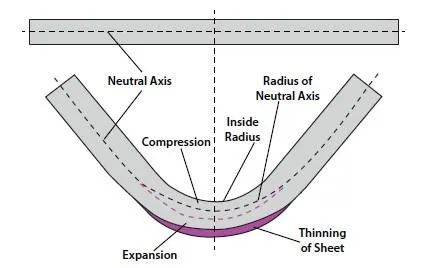
K-Factor vs Bend Allowance in Sheet Metal: What's the Difference?
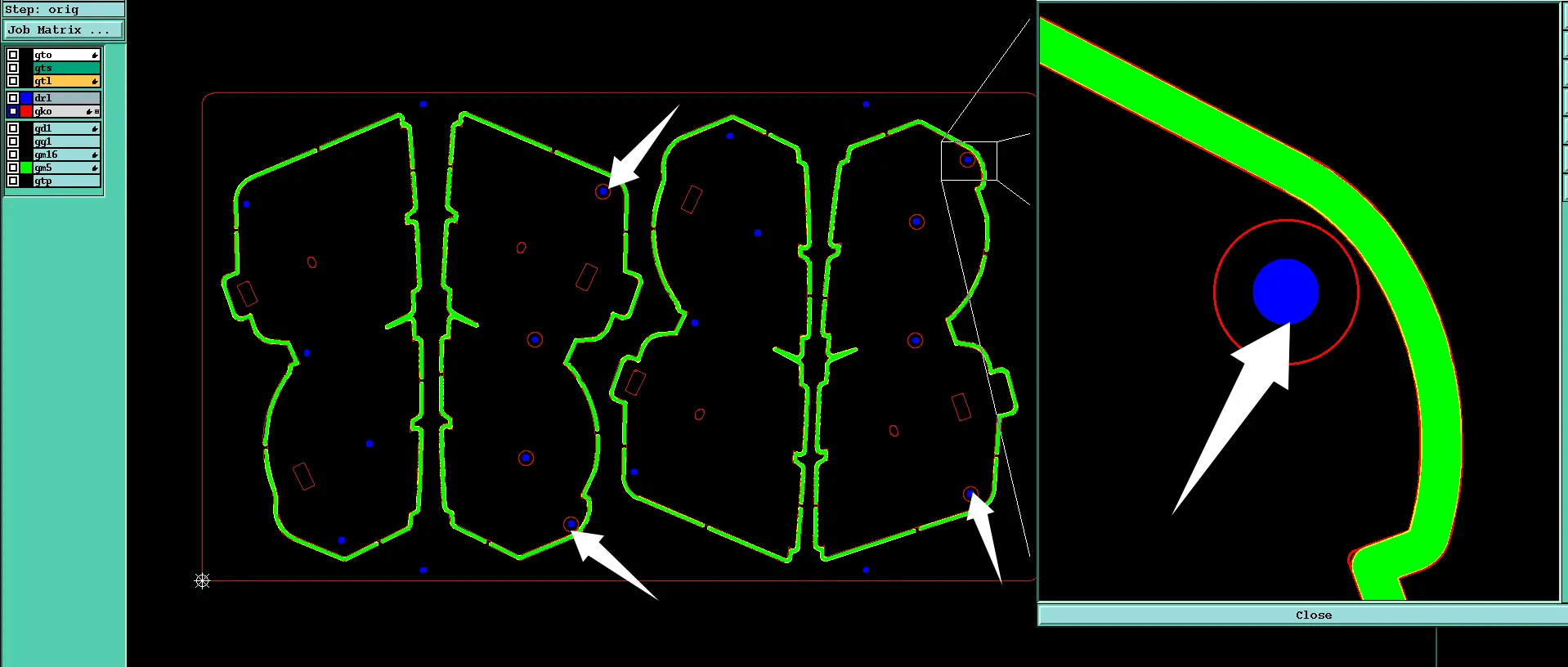
Aluminum PCB CAM Review: Avoiding Costly Drill-Outline Mistakes

PCB Panelization Slot Design: Why Your Gerber Needs Routing Paths
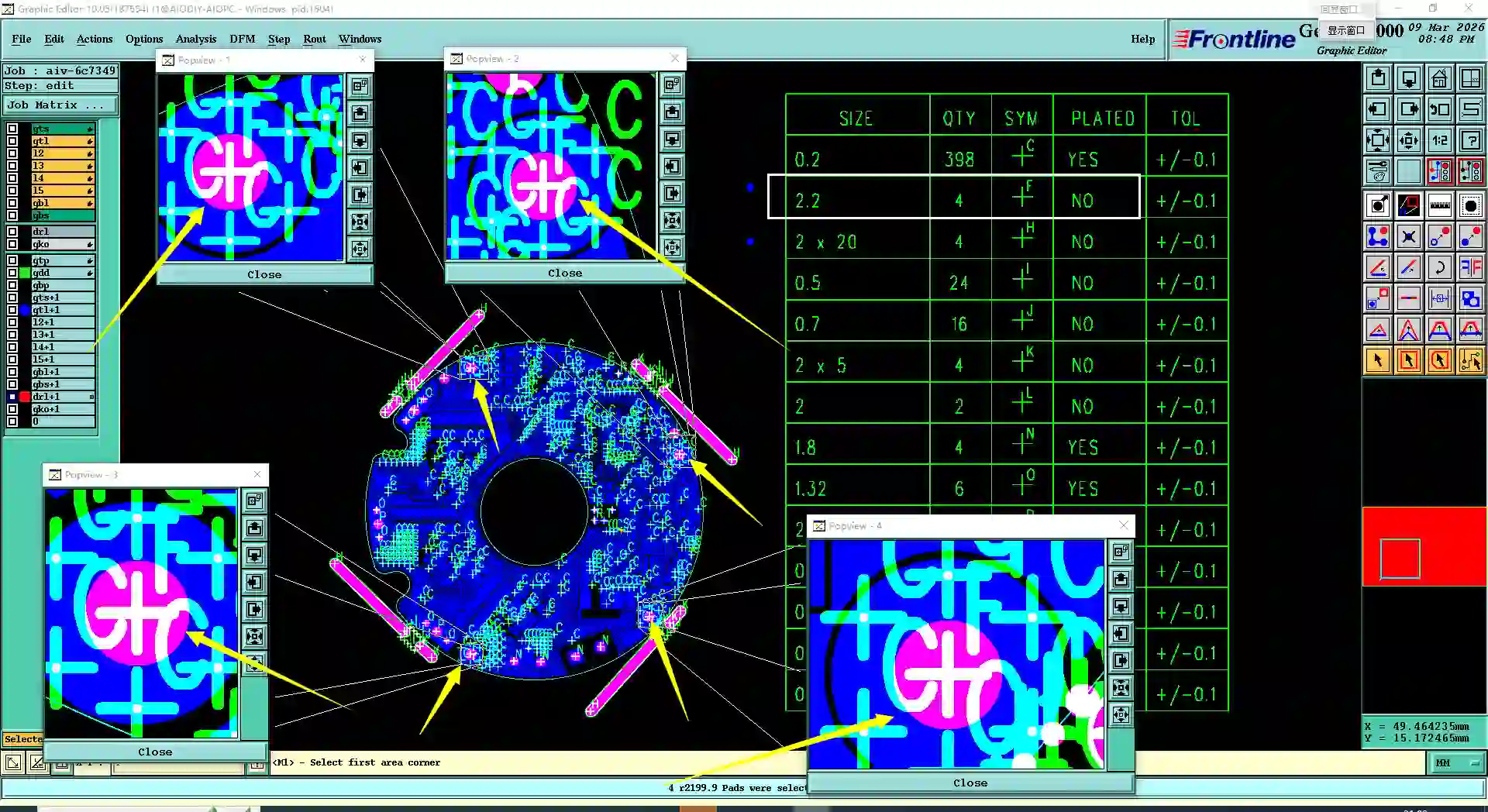
Why NPTH Hole with Pad Conflict Required Clarification Before 6-Layer Production
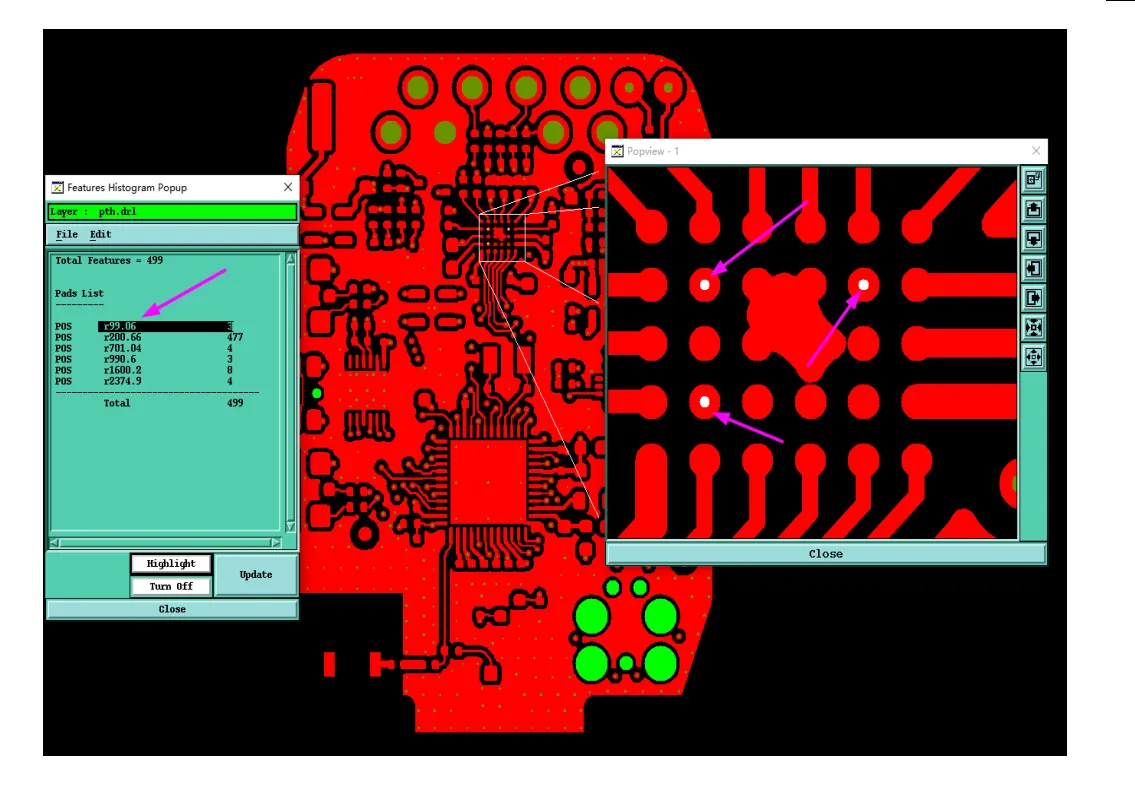
How DFM Review Prevents HDI PCB Manufacturing Problems
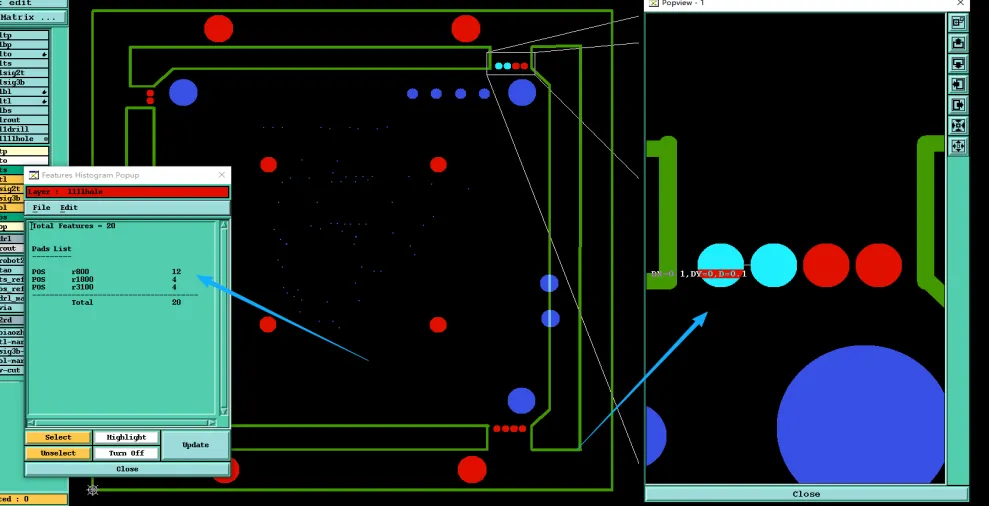
4 Layer FR4 PCB DFM Review for Breakaway Tabs and Silkscreen
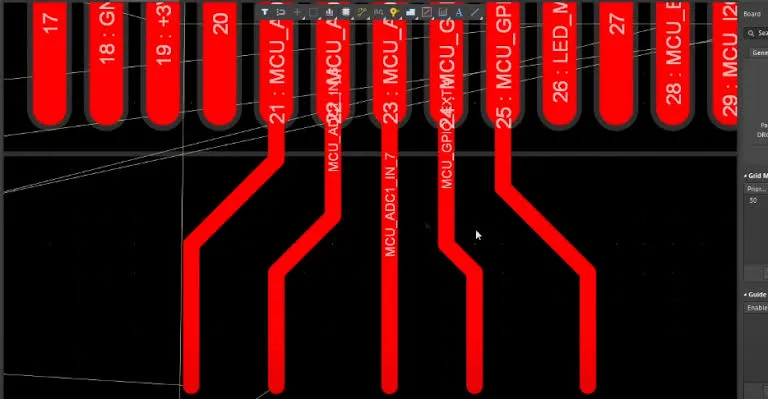
Common HDI Gerber Design Mistakes Found During CAM Review
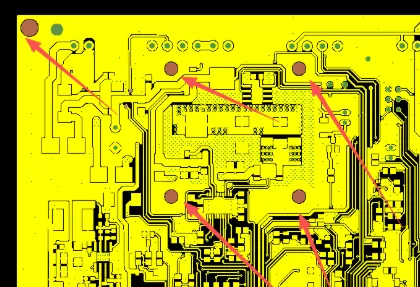
How to Fix 2 Layer FR4 PCB Design Errors During CAM Review
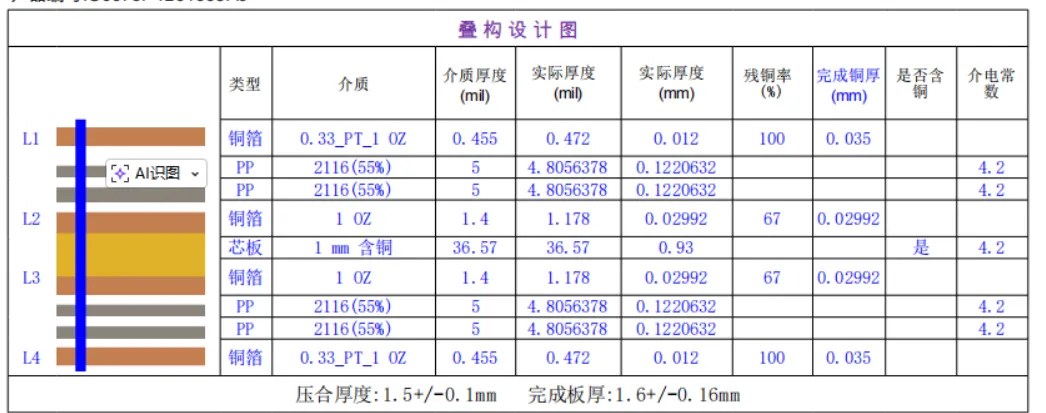
How DFM Review Prevented Silkscreen and Tolerance Issues in 4-Layer FR4
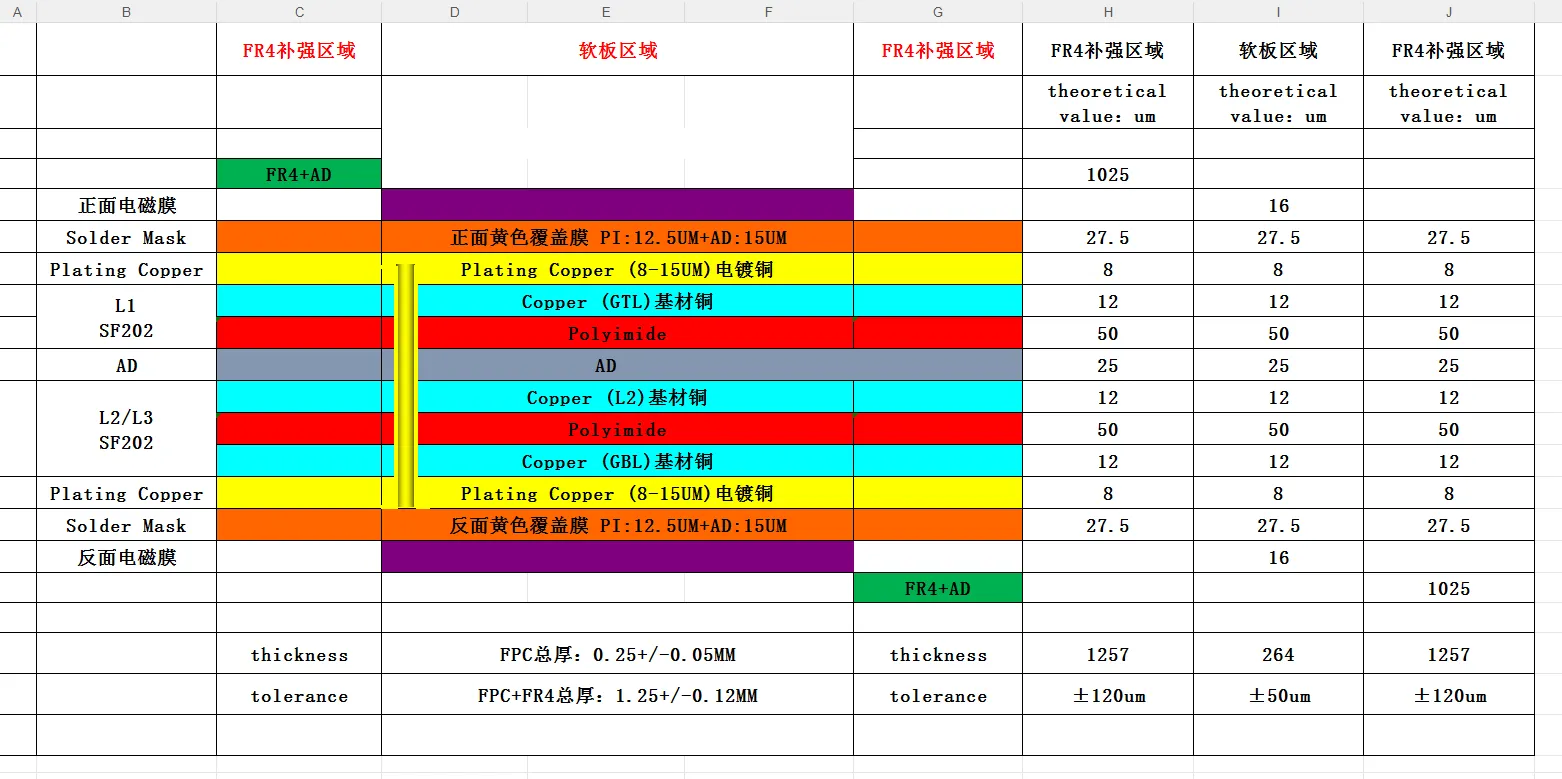
DFM Review Prevented Stiffener and Hole Risks in Thin Flex PCB
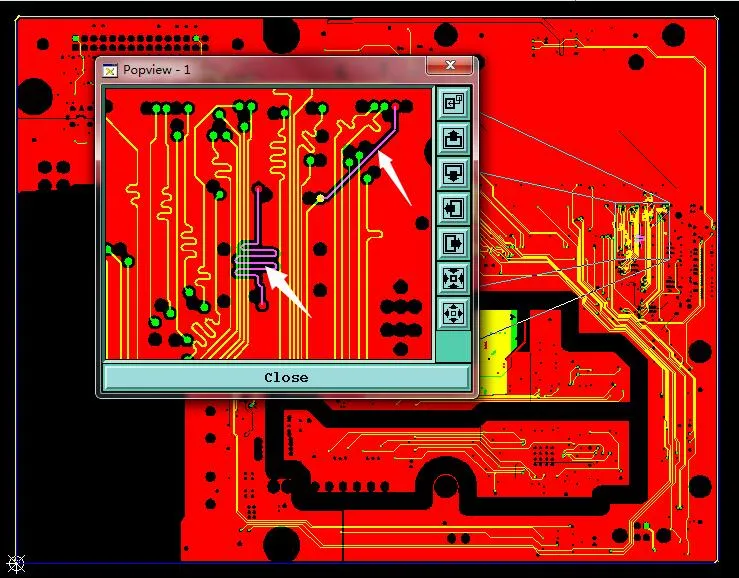
How DFM Review Secured Impedance Control in 6-Layer FR4 PCB
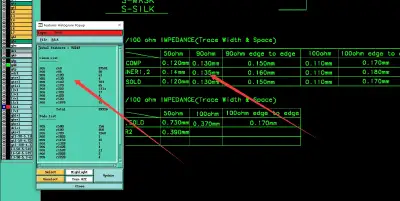
Why Impedance Line Mismatches Triggered EQ in Multi-Layer PCB Production
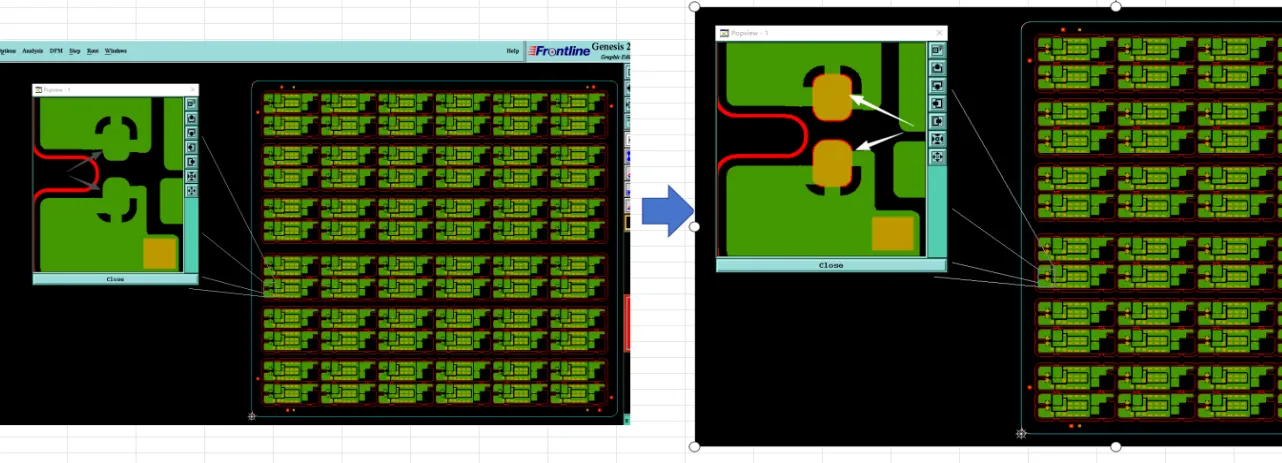
Critical PCB DFM Review for Small Volume FR4 Production Runs
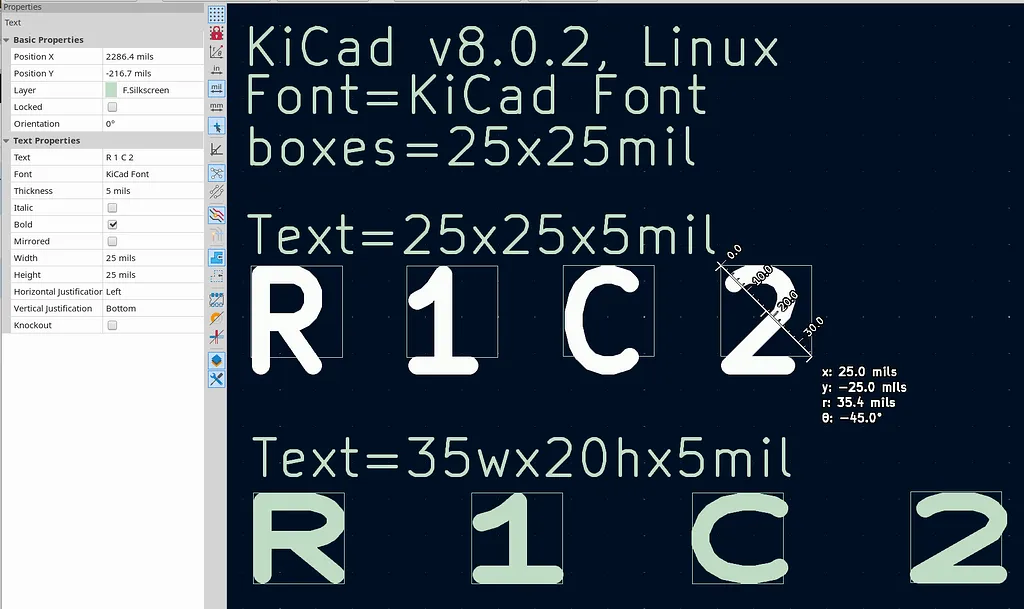
How Small Is Too Small for FPC Legend Text?

How DFM Review Prevented Via Reliability Risks in a 2-Layer FR4 PCB
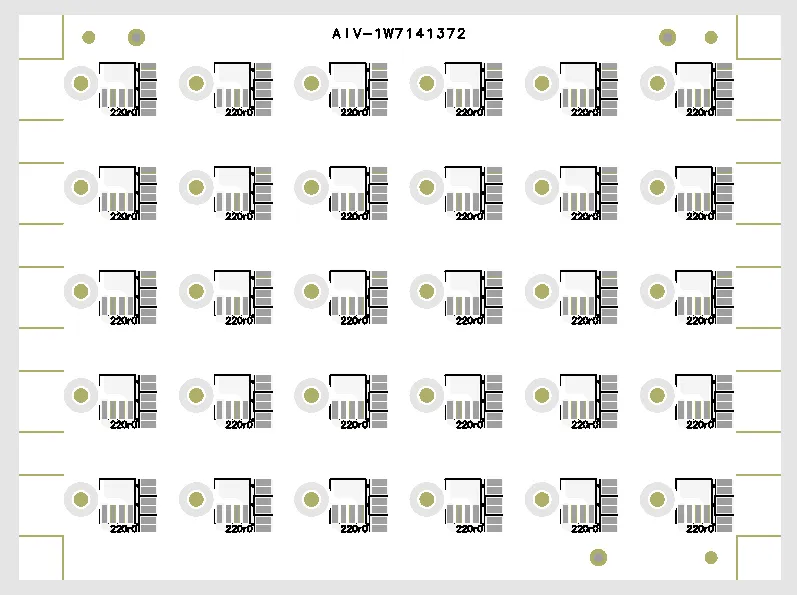
Preventing Edge Breakout and Burr Risks in Aluminum PCB Panelization